Since 2014, this beloved event has raised nearly $102,000 for Fragile X research — with more than $20,000 coming in this year alone. So what’s the secret?

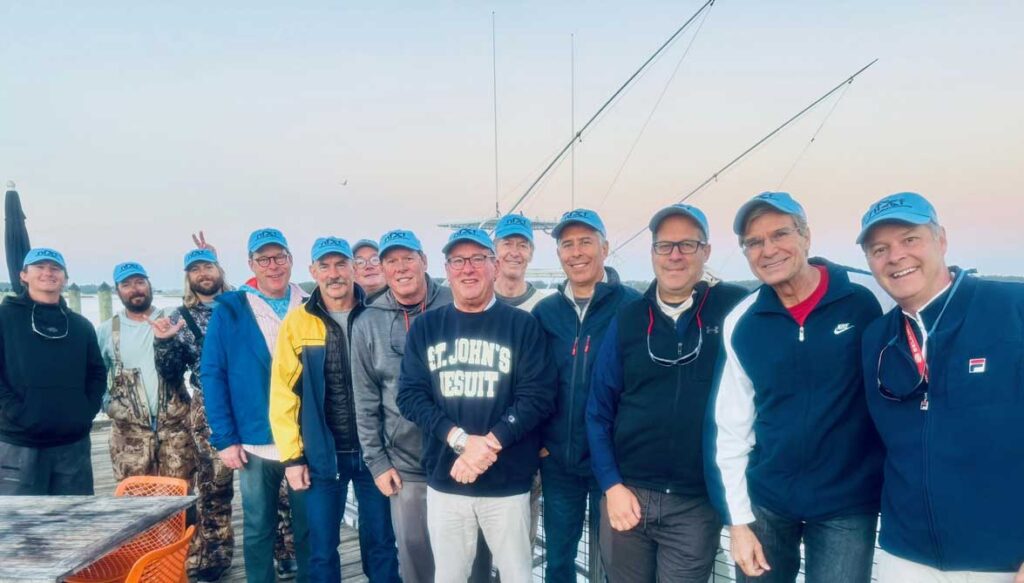
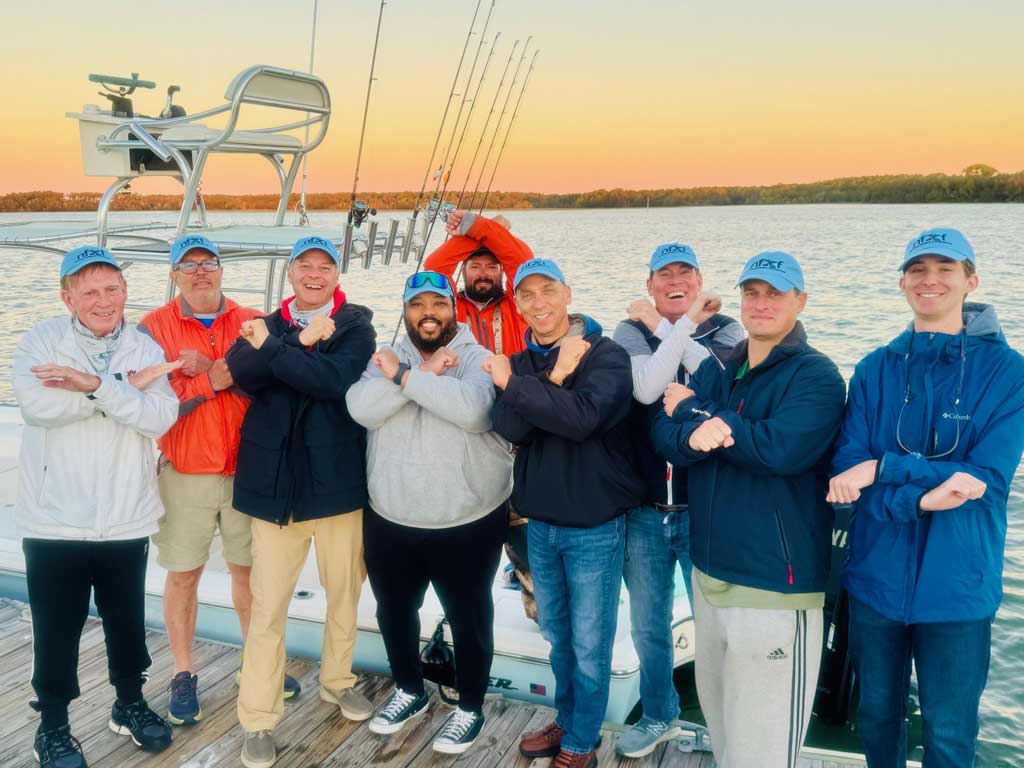
Joey Christoff and his family host this multi-day fishing competition at their Hilton Head, South Carolina, home, turning a world-renowned vacation destination into a fundraising powerhouse.

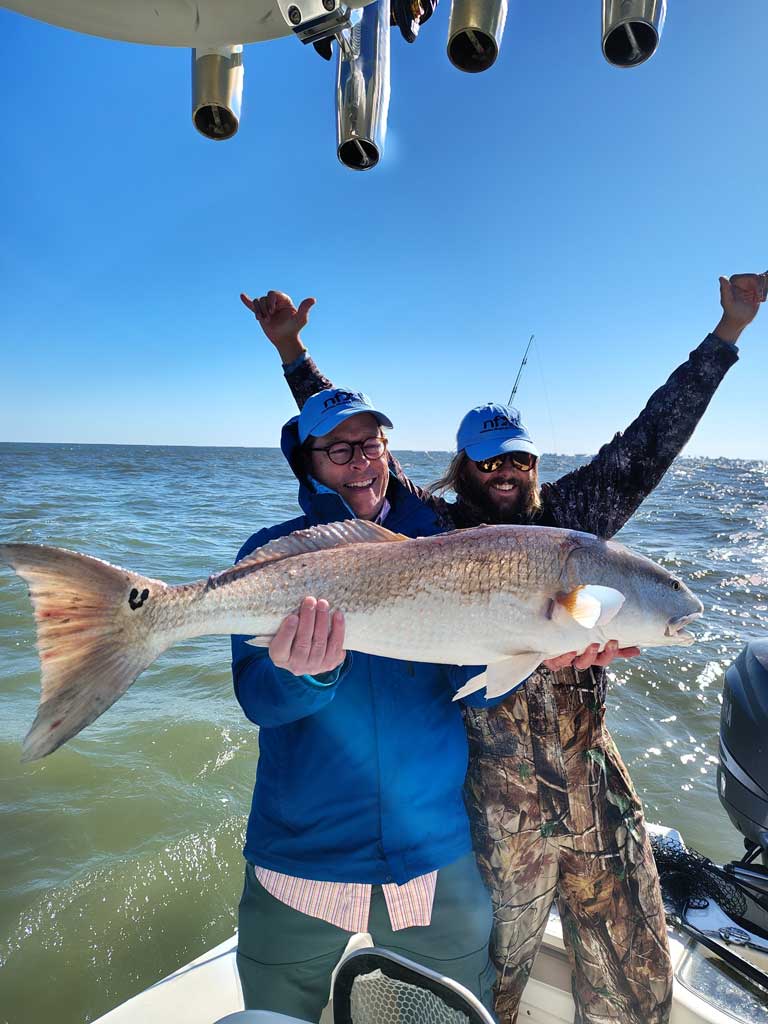
Guests compete to catch the biggest fish within a set time period, with prizes awarded by weight — and bragging rights that last all year.

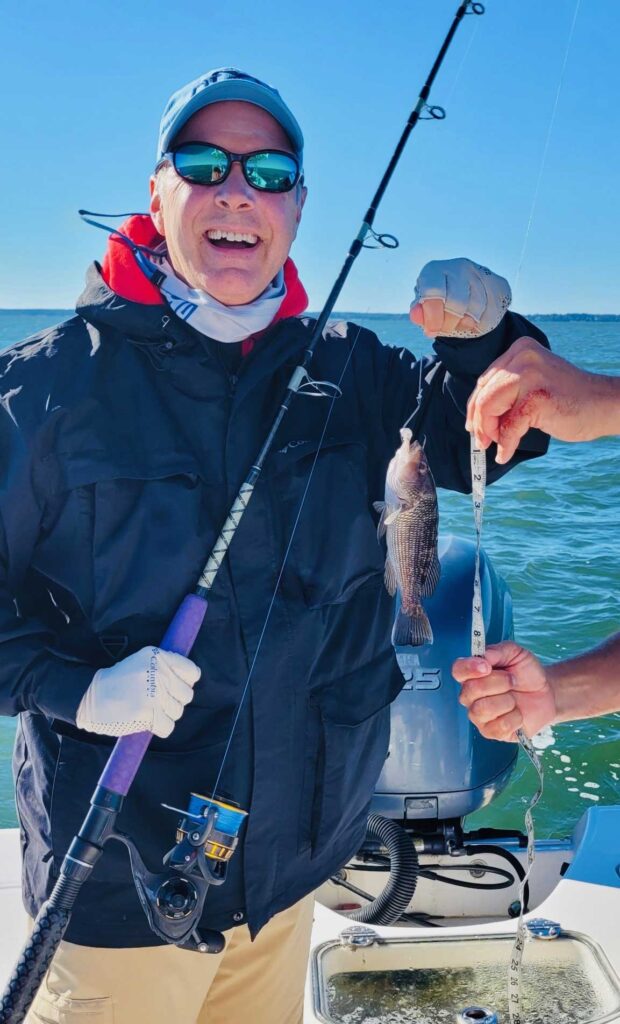
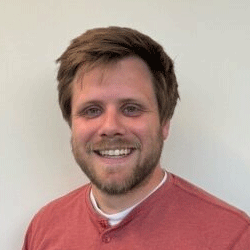
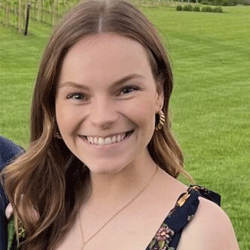
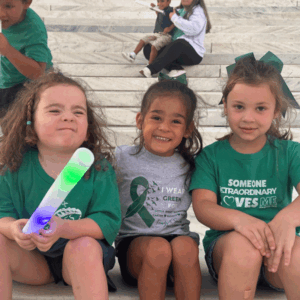
This year’s catch? Absolutely incredible. Check out these beauties!

Not only was this my first time fishing, but I had an awesome time catching multiple fish. The trip was amazing. Being able to fish with friends, but also have a good time while doing it for a good cause was amazing. This was a 10 out of 10 experience And I can’t wait to do it again.

— TEREL LYNN

Thank you for putting together a great event to support a cause that deserves more recognition. I never envisioned, catching 3 sharks in one day … I told my friends, “one of them was a Great White!” Hopefully your work and fun gatherings, like we experienced, will help get the word out. Nothing but appreciation.

— RICK PHILLIPP

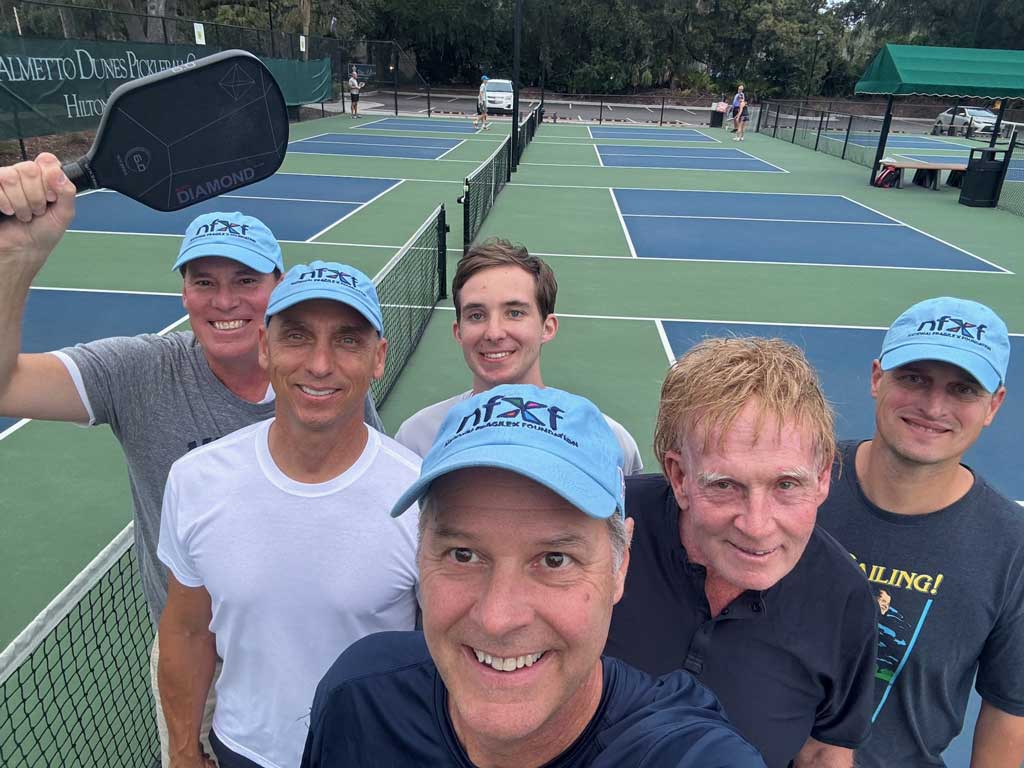
I have had the pleasure to participate in the annual Fragile X Fishing Event the last 4 years and always look forward to the next one. It has been a great reunion with Joey and our college friends and have also met some other friends of Joeys throughout the years. Not only are we able to reunite and tell funny old college stories but we get to have new experiences together for a great cause. The fishing is tons of fun and something I only do on this trip. The dinners and just hanging around talking are awesome as well. Even got to play some Pickleball this past trip, which is a new passion and had a lot of fun. I give Joey tons of credit for organizing and hosting and most of all raising money for the FragileX cause, which is so important.

— JORDAN EHRANS

A Family Tradition

Joey started the Fishing for a Cure tradition in honor of his son, Mitchell, who has Fragile X syndrome, and for his wife and mother-in-law who are carriers at risk of Fragile X-associated disorders.

The landscape of managing life with Fragile X is constantly changing and presents a unique set of challenges for parents and caregivers. Joey’s drive comes from the desire to give hope to all families and to raise awareness and funds for the National Fragile X Foundation.
I am devoted to raising awareness and funds to support Mitch and all those living with Fragile X. Hopefully someday there will be a cure.

— JOEY CHRISTOFF

Joey Christoff served as a National Fragile X Foundation volunteer board member for six years and has traveled to Capitol Hill as an advocate.

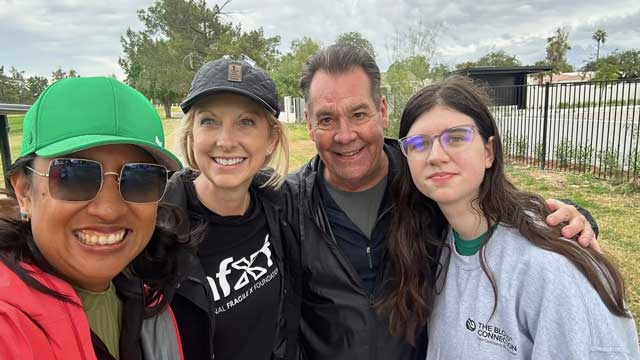
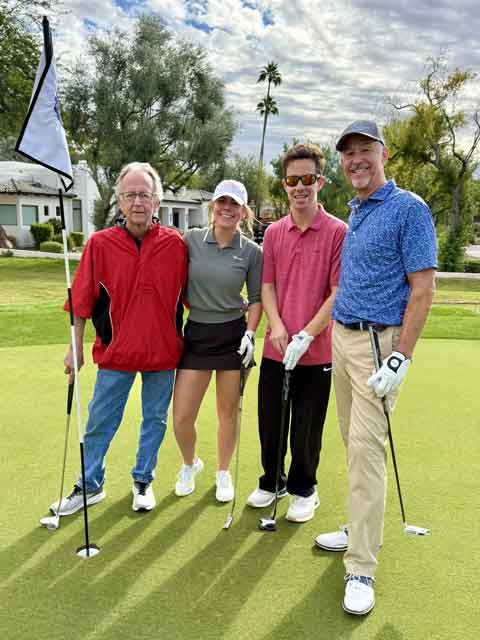
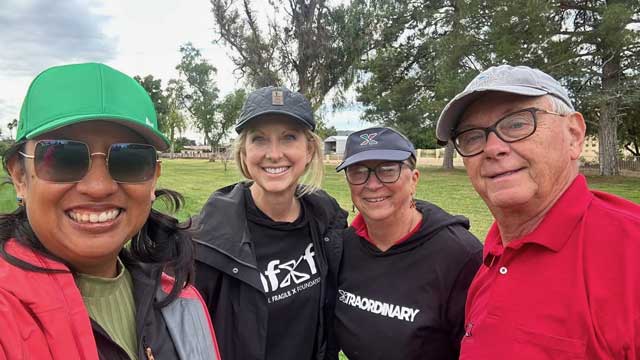
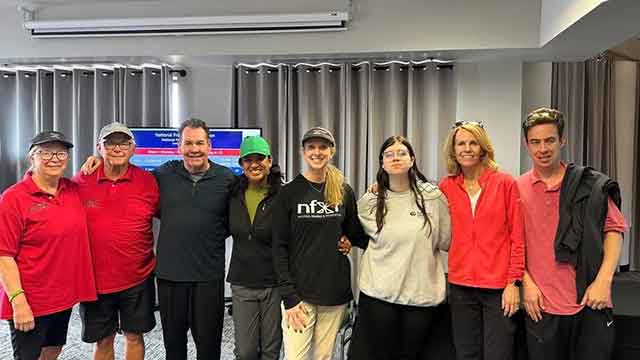
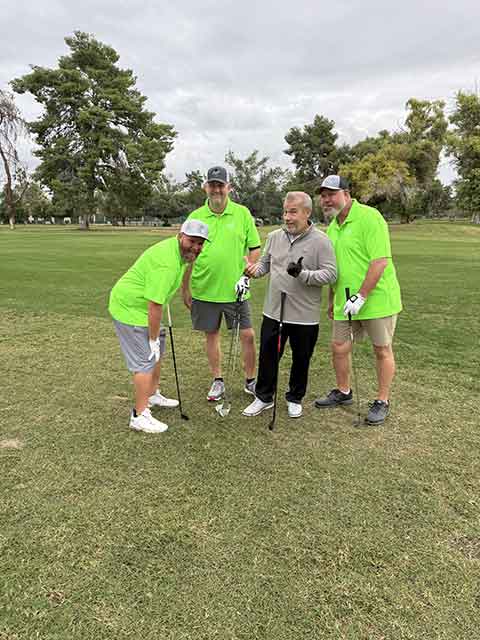
Since 2018, Jay and Anne Souder have hosted an annual golf event called “FORE! Fragile X” in honor of their son, Alec, who has Fragile X syndrome, and 2025 was another huge success!

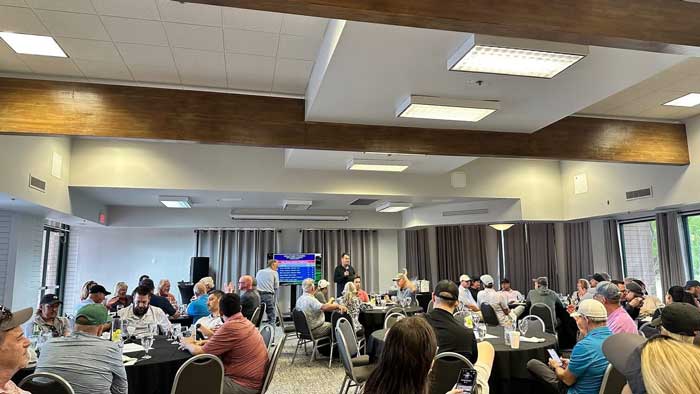
On Sunday, November 16, supporters joined the Souders at the Orange Tree Golf Club in Scottsdale, Arizona for a 7:30 am tee-off followed by lunch and awards.

The Souders know that living with Fragile X is an evolving challenge for families and caregivers. They have been dedicated supporters of the NFXF since Alec, now in his mid-30s, was diagnosed at age five.  Their desire and energy to bring hope to families affected by Fragile X while raising awareness and critical funds for the NFXF is tireless.

In an effort to give back to an organization that has done so much for our family, we look for ways to gather, spread the word and have some fun!

— Jay Souder

Their goal was $50,000 — as of this writing, they’ve raised $63,193! Giving Tuesday is coming up (hint, hint), in case you wanted to see that dollar amount keep rising! Please check out all the fun photos (and a bonus video) from this year’s event.

You can also check out the photos from previous FORE! Fragile X fundraisers from 2022 and 2023.

Thank you, Souder Family and your donors and guests, for your generosity in support of families living with Fragile X!

Authors: Walter E. Kaufmann, Paul S. Horn, Dejan B. Budimirovic, Holly K. Harris, Reymundo Lozano, and FORWARD Consortium[1]

Read the article from the Journal of Autism and Developmental Disorders

Summary

This research looked at how a child’s level of intellectual disability (ID) — meaning how much their thinking and learning abilities are affected — relates to the types of behavioral challenges they experience if they have Fragile X syndrome (FXS).

FXS is the most common inherited cause of intellectual disability and autism. Children with FXS often show a wide range of strengths and challenges, some have mild learning differences, while others are more severely affected. Behavioral challenges like anxiety, hyperactivity, aggression, and autism-like traits are also common, but not all children experience them in the same way.

This paper aimed to better understand how these behaviors vary with cognitive ability. In other words, researchers asked: does the level of intellectual disability make certain behaviors more likely?

To answer this question, researchers used data from 1,400 children (1,072 boys, 338 girls) who took part in the FORWARD study, a large, long-term research project involving families across 25 Fragile X specialty clinics in the U.S. Families and doctors filled out questionnaires and checklists about each child’s learning abilities, daily functioning, and behaviors.

Researchers grouped children into five behavioral “subtypes” based on patterns seen in the data — from mild to severe — and compared behavioral issues across levels of intellectual disability.

What They Found

Researchers found that certain behaviors are more common in children with more severe intellectual disability. These behaviors include: autism features, aggressive or self-injurious behaviors, repetitive or obsessive behaviors, and sensory hypersensitivity (strong reactions to sound, touch, etc.).

Other behaviors, like anxiety or ADHD-like symptoms, didn’t depend on ID level. Children with Fragile X of any ability level could experience anxiety or attention problems — these are common across the board.

Additionally, kids with milder ID generally had fewer and less severe behavior problems, while those with more significant ID were more likely to have multiple challenges together (like ASD and self-injury).

Why This Matters

This research helps explain why every child with Fragile X is unique — and why some behaviors show up more often in children with greater learning challenges.

For families and doctors, understanding this pattern can:

  • Help anticipate which behaviors may arise as a child develops.
  • Support more personalized care and behavior management strategies.
  • Clarify that not all behavioral difficulties come from intellectual disability — issues like anxiety or attention can affect anyone with FXS, regardless of IQ.

Next Steps

Ultimately, this kind of large-scale data helps guide better treatment, support, and early intervention for children with Fragile X and their families. Researchers will continue studying how learning and behavior change over time in children with FXS, helping identify early signs and more personalized support for each child.

Acknowledgements & Funding

The present study was supported by cooperative agreements funded by the Centers for Disease Control and Prevention (CDC). Its contents are solely the responsibility of the authors and do not necessarily represent the official views of the CDC or the Department of Health and Human Services.

De-identified data are available according to the FORWARD project’s Data Sharing Plan and the policies of the Centers for Disease Control and Prevention.

Congratulations to 2025’s three NFXF Summer Scholars — Susana Lopez-Ignacio, Tanvi Kamra, and Shelby Dauterman!

The Randi J. Hagerman Summer Scholars Research Awards are designed to introduce undergraduate and graduate students to the field of Fragile X research. The NFXF helps to do this by funding summer research projects that add to the body of knowledge around Fragile X in meaningful ways.

Our 2025 awardees were asked to summarize their summer project in a 15-minute video presentation and provide a short paragraph about their experience. You can watch each of the presentations and read the summaries below.

Summer Scholars and mentors, thank you for your dedication to Fragile X research!

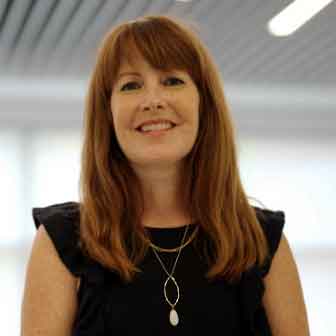
Susana Lopez-Ignacio

Susana Lopez-Ignacio headshot.
Susana Lopez-Ignacio

Cell-Type Specific X-Chromosome Inactivation in Fragile X-Associated Tremor/Ataxia Syndrome

Affiliation: Third-year graduate student, Human Medical Genetics & Genomics Program at the University of Colorado Anschutz Medical Campus

Mentor: Caroline Dias, MD, PhD, Department of Pediatrics, University of Colorado Anschutz Medical Campus

Project Summary: Females living with Fragile-X related conditions present with unique clinical patterns, but the source of this heterogeneity is poorly understood. This project will help clarify how the human female brain is uniquely impacted in premutation associated conditions by leveraging the invaluable gift of post-mortem human tissue. By studying how different cell types are impacted in the human condition directly, we hope to create a better understanding of the unique features of the human female brain in Fragile-X related conditions that could ultimately pave the way for better treatment of these potentially devastating conditions.

In their own words:

“Thank you so much for the opportunity of being part of this program. I loved how warm and welcoming the community was to us and I hope we can keep in touch!””

—Susana Lopez-Ignacio, University of Colorado Anschutz Medical Campus

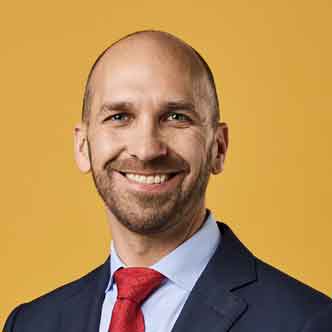
Tanvi Kamra

Tanvi Kamra headshot
Tanvi Kamra

Integrative Multiomic Analysis of Postmortem Brains from Patients with Fragile X-Associated Disorders

Affiliation: Junior undergraduate student, Neuroscience and Behavioral Biology Program, Emory University

Mentor: Nisha Raj, PhD, Department of Human Genetics, Emory University School of Medicine

Project Summary: Since the identification of FMR1 as the causal gene for Fragile X associated disorders, we have made tremendous progress in understanding Fragile X syndrome (FXS) and Fragile X-associated tremor/ataxia syndrome (FXTAS). Animal knockout models and patient stem cell-derived models have provided invaluable biological insight into the Fragile X messenger ribonucleoprotein 1 (FMRP); however, we know very little about the molecular consequences of disrupting FMRP expression in the human brain.

In this project we propose a comparative proteomic and transcriptomic analysis of postmortem brains from adult full mutation FXS cases, FXTAS cases, and neurotypical controls. While there have been a few transcriptomic studies on FXS and FXTAS, proteins are the effectors of the transcriptome and proteomic analyses in this field are largely lacking. Furthermore, studying the adult human brain sheds light on the effect of FMR1 mutations beyond early development. To our knowledge such an analysis has not been performed before, and we anticipate that our results will provide significant mechanistic and functional insight into both disorders as well inform future therapeutic strategies.

In their own words:

“The National Fragile X Foundation Randi J. Hagerman Summer Scholars Award has been a truly transformative experience. This summer, I had the opportunity to engage in meaningful research exploring the molecular basis of Fragile X-associated conditions, with a specific focus on what is, to our knowledge, the first proteomic analysis of the full mutation in post-mortem human brain tissues. Over the course of the program, I developed a comprehensive understanding of both transcriptomic and proteomic methodologies, gaining hands-on experience in molecular techniques such as immunohistochemistry, TaqMan qPCR, and Western blotting, and in advanced analysis of mass spectrometry and RNA sequencing data.

“Equally valuable was the opportunity to immerse myself in the vibrant scientific community at Emory. Collaborating with the faculty and graduate students in the field of neurodevelopmental disorders enriched my scientific vocabulary and helped me build my confidence in discussing my work. The environment fostered a strong sense of mentorship that empowered me to grow not only as a student but as a young scientist ready to contribute meaningfully to the field. This experience has not only solidified my passion for neuroscience and translational research but has also equipped me with the foundational skills and mindset needed to pursue graduate-level research focused on the molecular mechanisms underlying neurodevelopmental disorders like Fragile X syndrome. I am extremely grateful that the Randi J. Hagerman Summer Scholars award gave me an opportunity to share my work with the community and allow my work to be impactful in the field.”

—Tanvi Kamra, Emory University School of Medicine

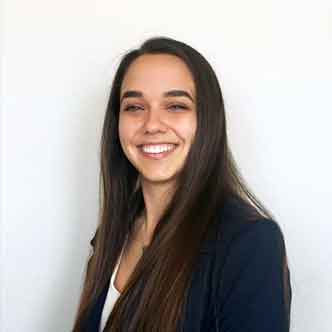
Shelby Dauterman

Shelby Dauterman headshot
Shelby Dauterman

Neurovascular Coupling in FXS: Novel Insights for Targeted Therapeutics

Affiliation: Third-year graduate student, Neuroscience Graduate Program, University of Cincinnati

Mentor: Craig Erickson, Department of Psychiatry and Behavioral Neuroscience and Cincinnati Children’s Hospital Medical Center, Department of Child and Adolescent Psychiatry, University of Cincinnati

Project Summary: For neurons to communicate quickly and efficiently, they need a steady supply of nutrients. When neurons in the brain are active, or firing frequently, they also release chemical messengers that communicate these needs to blood vessels in the brain. The process by which the brain signals blood vessels to increase the delivery of nutrients to active brain areas is called “neurovascular coupling.”

In FXS, neurovascular coupling may be disrupted, leading to reduced blood flow where it is needed most. By exploring neurovascular coupling in FXS, we hope to better understand symptoms and identify new therapeutic targets. We are using a new way of combining neuroimaging methods, multimodal fNIRS/EEG, to measure exactly how well the brain determines different needs for nutrients across the brain and meets that need by increasing blood flow. This project is the first of its kind to be completed with humans living with FXS.

In their own words:

“Receiving the Dr. Randi J. Hagerman Summer Scholar Research Award has been an incredible honor that has advanced both my research and my growth as a scientist. This support allowed me to pursue my work on novel mechanisms in Fragile X syndrome while also learning from leaders in the field. Just as importantly, it connected me with individuals and families who live with Fragile X every day. Meeting them reminded me that our work is not only about data and experiments, but about improving lives.

“For me, this experience has reinforced the importance of collaboration between researchers and the Fragile X community. The community’s strength, generosity, and commitment to advancing science continues to motivate me through the challenges of my research and schooling. I am deeply grateful for this award and the opportunity to carry forward this work with a clearer sense of purpose and responsibility.”

—Shelby Dauterman, University of Cincinnati


Susana, Tanvi, and Shelby, congratulations once again on this scholarship award and all your hard work this summer! We know your futures are bright, and we look forward to seeing what amazing things you all do!

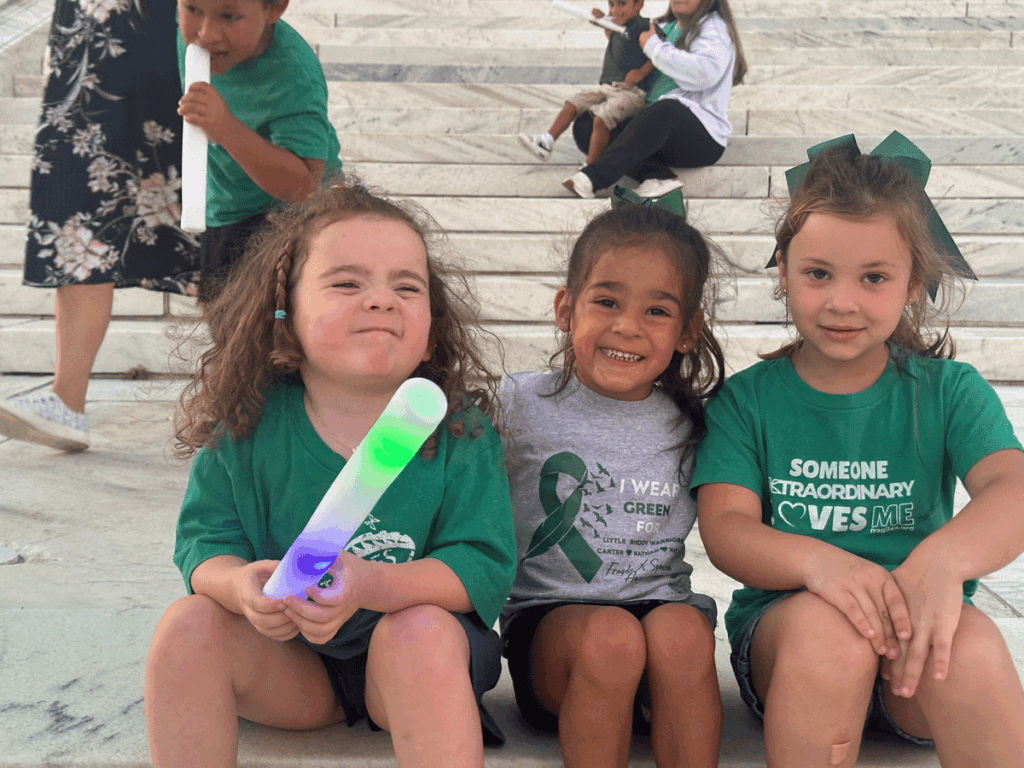
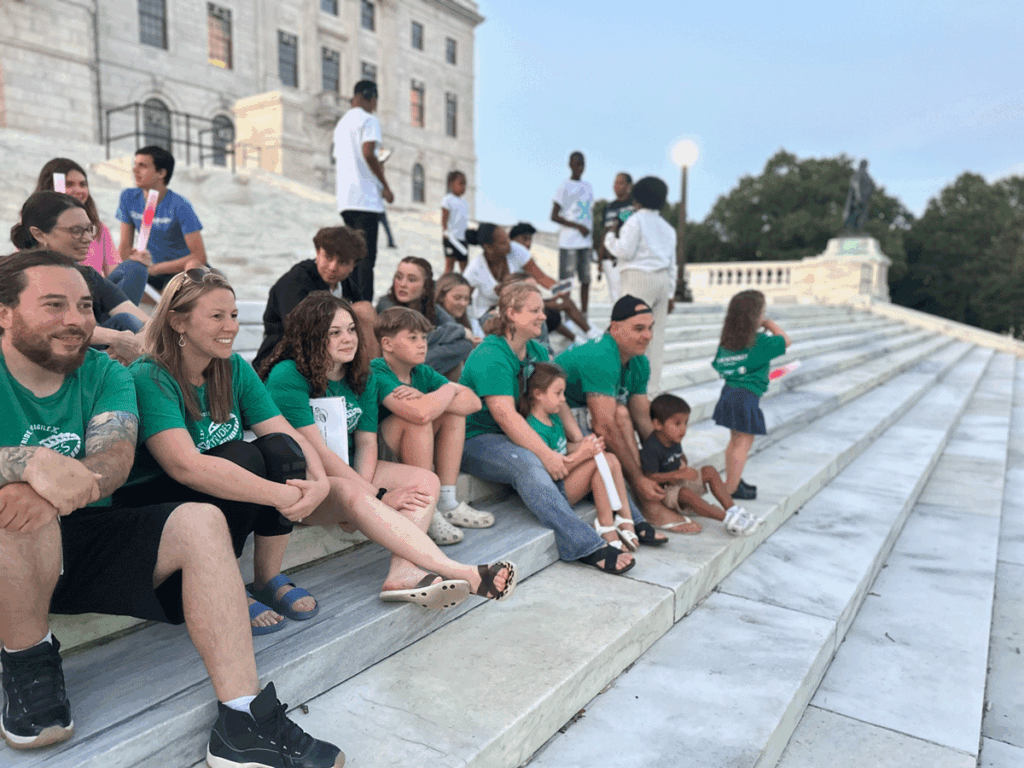
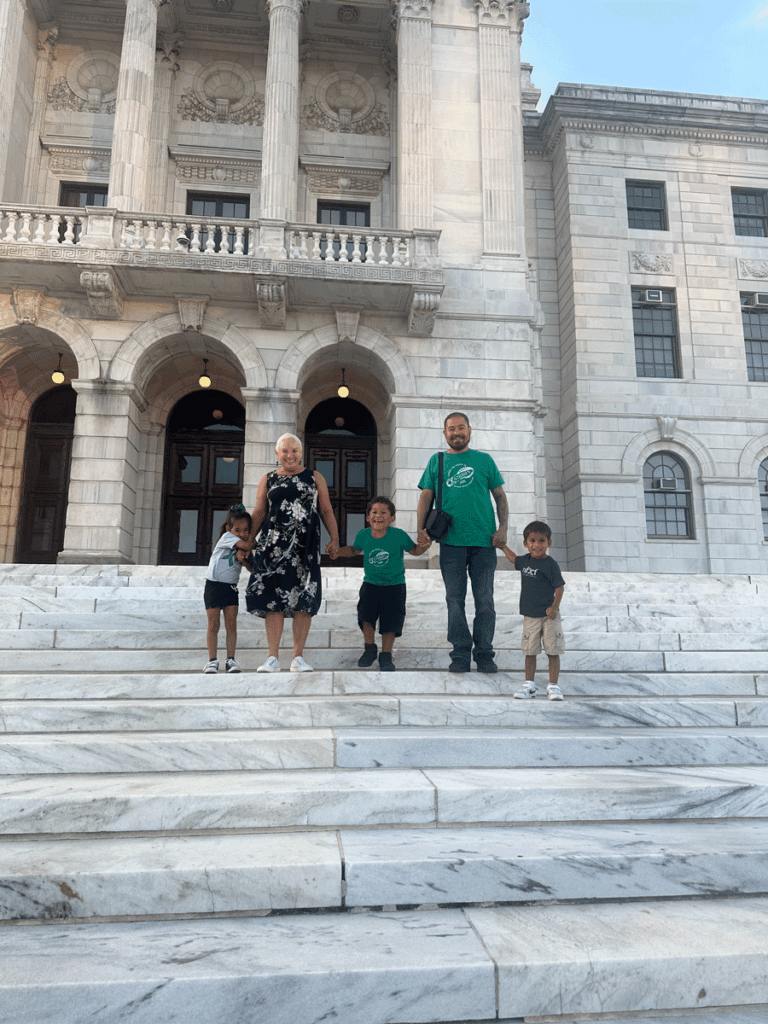
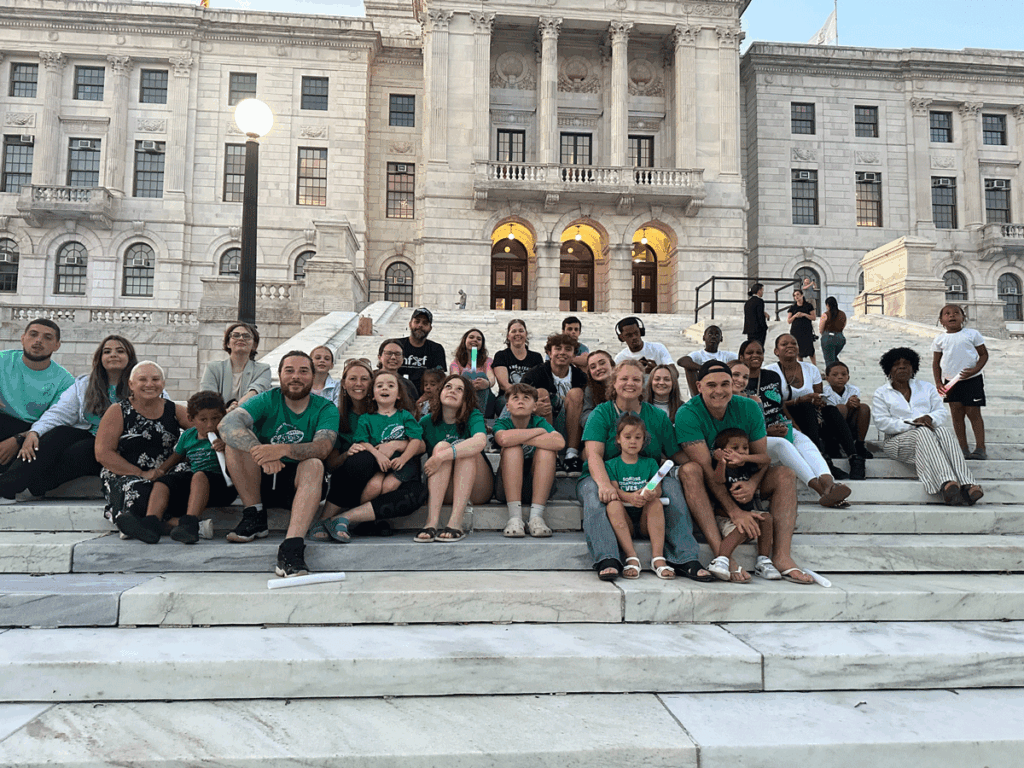
On Tuesday, July 22, the Rhode Island State House held a special lighting called Lighting the Way for Fragile X in honor of National Fragile X Awareness Day. And, of course, all of the Little Rhody Warriors were there!

They shared some awesome photos and want to also share a special thank you to State Representative Thomas E. Noret for making this happen. We, too, thank Rep. Noret for helping raise awareness and bringing hope to all affected by Fragile X.

More Little Rhody Warriors on the steps of the Rhode Island State House for Fragile X Awareness Day, wearing matching X-Strides tees!

Congratulations to 2024’s three NFXF Summer Scholars — Aditi Mahajan, Alexandra Singleton, and Maureen Butler!

The Randi J. Hagerman Summer Scholars Research Awards are designed to introduce undergraduate and graduate students to the field of Fragile X research. We do this by funding summer projects that add to the body of knowledge around Fragile X in meaningful ways.

Our 2024 awardees were asked to summarize their summer project in a 15-minute video presentation and provide a short paragraph about their experience. You can watch each of the presentations and read the summaries below.

Join us in celebrating the future of Fragile X research and thanking these students and their mentors for their dedication to Fragile X!

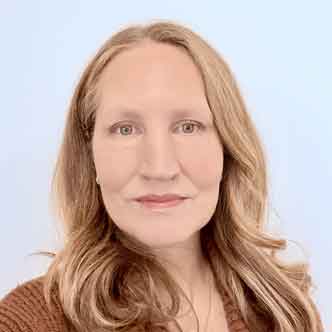
Emily Peery

Emily Peery headshotWomen’s Healthcare Provider Knowledge on FXPOI: Improving Understanding Through an Educational Tool

Affiliation: First-year graduate student, Emory University, Genetic Counseling Training Program

Supervisor: Emily Allen, PhD

Project Summary: Individuals with Fragile X-associated primary ovarian insufficiency (FXPOI) have reported needing to visit multiple providers and advocate for their own diagnosis and care because providers were unaware of Fragile X-associated disorders.

FXPOI is defined as irregular (i.e., cycling every 4-6 months) or cessation of menses before 40 (premature menopause) in females who carry an FMR1 premutation. Prior research showed the average amount of time from symptom onset to FXPOI diagnosis was about one year. Due to this provider gap in knowledge, further research was done to identify what these gaps in knowledge specifically are amongst women’s healthcare providers.
The study goal is to target these knowledge gaps through questions in a pre-test survey and assess if women’s healthcare provider knowledge of FXPOI is improved after reviewing the educational tool. A post-test survey will be sent to the provider’s one month after reviewing the tool. We will also look at whether demographics affect FXPOI knowledge and what general carrier screening practices and provider workups for primary ovarian insufficiency are.

The long-term goal would be for women’s healthcare providers to continue to refer to and share this educational tool to shorten the time to diagnosis for women with FXPOI and contribute to an improved quality of life and reproductive outcomes.

In her own words:

“Receiving the Randi Hagerman Summer Scholar Research Award allowed me to not only further my research through reaching more providers with my survey, but to attend the 19th NFXF International Fragile X Conference and learn from leading professionals in the field.

“I really enjoyed getting to learn about current research in the field of Fragile X as well as meet families who have a loved one diagnosed with Fragile X or a Fragile X-associated condition. I look forward to continuing to see the growth in this field and hope to contribute to the care of women diagnosed with a FMR1 premutation as a genetic counselor.”

—Emily Peery, Emory University

Thomas Christensen

Thomas Christensen headshot.Exploring Social Determinants of Health and the FMR1 Premutation Symptomology in Women

Affiliation: Second-year graduate student, University of South Carolina, Communication Sciences and Disorders

Supervisor: Jessica Klusek, PhD

Project Summary: We already know that where someone lives can have a big impact on their health. Because women with the FMR1 premutation already have an increased risk of a variety of health issues due to genetic factors, it is important to also understand how one’s neighborhood can impact those health issues, for better or for worse. This would help researchers and advocacy organizations know where to allocate their limited resources to have the greatest benefit on the health of women with the FMR1 premutation.
In his own words:

“The Summer Scholars program was a great and rewarding experience for me! My focus in research is on how we can better support people with neurodevelopmental disabilities and their families. I am particularly interested in how we can implement community support or other external supports.

“I feel like learning more about area deprivation and the role of the neighborhood in premutation outcomes will set up my learning about other external factors. This project will likely have a direct impact on my dissertation project, and I am currently considering how to use what I learned from in my dissertation. Thank you again for your help and support!”

—Thomas Christensen, University of South Carolina

Emily Timm

Emily Timm headshotThe Neural Mechanisms Underlying Cortical Control of Gait and Cognition in Fragile X-Associated Tremor/Ataxia Syndrome (FXTAS)
Affiliation: Third-year PhD student, Rush University Medical College, Integrated Biomedical Sciences Program

Supervisor: Joan O’Keefe, PT, PhD

Project Summary: Little is known about the changes in the brain that cause the major symptoms of FXTAS including problems with balance, walking, and memory. By using a non-invasive brain imaging cap, our team can measure activity in special areas of the brain that play roles in memory, attention, and the planning of movements.

We ask participants to wear this brain imaging cap while performing activities that are affected by FXTAS such as walking under simple and more difficult conditions and completing a series of challenging cognitive tests. All study participants also have an MRI scan to take pictures of the brain, so that we can determine any connections between brain activation and structure.

This research study is important because our findings will provide more information about how the disease develops and can assist with the development of effective treatments for FXTAS, which currently do not exist.

In her own words:

“It has been an absolute honor to work with the NFXF team this summer, and I could not be more grateful to be named a 2024 Randi J. Hagerman Summer Scholar. This program has afforded me the ability to conduct cutting-edge neuroscience research investigating the neural correlates of gait and cognitive impairments in FMR1 premutation carriers with Fragile X-associated tremor/ataxia syndrome (FXTAS).

“Without a doubt, the most rewarding part of the program has been meeting our study participants and learning about their experiences with FXTAS. Those living with FXTAS and their family members are so strong and eager to contribute to scientific research even if it doesn’t directly benefit them. Their dedication to aiding scientists like me learn more about the disease and develop potential treatments is truly admirable.

“This has been my strongest motivator to push through the most challenging aspects of my PhD training and to continue pursuing a career researching FXTAS. I look forward to continuing the research described in my presentation over the remainder of my graduate school career, to communicate the preliminary results at scientific conferences, and to eventually publish the results in an academic journal for the wider scientific community to read.

“I am so appreciative to the National Fragile X Foundation Randi J. Hagerman Summer Scholars program for providing the opportunity to spotlight my research and for immersing me into the Fragile X community.”

—Emily Timm, Rush University Medical College

Manasi Inamdar

Manasi Inamdar headshotIdentifying Translational Dysregulation Underlying Auditory System Dysfunction in a Rat Model of Fragile X Syndrome
Affiliation: Second-year graduate student, University of Illinois Urbana-Champaign, Molecular and Cellular Biology

Supervisor: Benjamin D. Auerbach, PhD

Project Summary: Fragile X syndrome is the most common inherited cause of autism, with a mutation in the FMR1 gene that encodes for a critical RNA-binding protein FMRP. Genes in our body contain instructions from DNA to make proteins, which are essential for building cells in our bodies. These cells, particularly neurons, form connections called synapses that allow them to communicate and create networks.

Within these networks, proteins play a critical role in maintaining and shaping circuits in the brain. Neural circuits are a group of interconnected neurons that work together like a complex web of pathways, to process information and give rise to behavior.

For developing effective therapies for treating FXS, it is crucial to study how disruptions across levels of neuronal function (molecular, cellular, circuit) ultimately lead to abnormal processing of sensory information and social, communication alterations seen in FXS patients as well as FXS rodent models. Atypical sensory processing is a core feature of FXS and markedly elevated sensitivity to sound stimuli is the most prevalent and debilitating symptom of FXS.

By studying how sound processing is altered in FXS rat models, we seek to determine if these changes stem from disruptions in protein synthesis, a crucial process for proper neuronal function. Increased synthesis of proteins is pathological in FXS and by understanding what these proteins are and why they are problematic, we can start to understand the factors impacting FXS such as underlying neural circuits.

This summer project proposal will determine if auditory processing deficits in FXS are the result of cellular-molecular changes in the auditory system. Ultimately, our goal is to contribute to the development of therapies that can improve the lives of individuals and families affected by FXS.

In her own words:

“Participating in the NFXF Randi J. Hagerman Summer Scholars Award has been an immensely enriching experience. Through my research on protein synthesis dysregulation in FXS and its potential contribution to auditory hypersensitivity, I developed a thorough understanding of FXS, spanning from its genetic roots to its behavioral outcomes and the importance of bridging these gaps to develop effective therapies.

“This program also provided an invaluable opportunity to connect with the broader community of researchers, clinicians, and families impacted by FXS. For my project, I proposed employing the Translating Ribosome Affinity Purification (TRAP) assay to isolate ribosomes and their associated RNA from the auditory cortex of Fmr1 knockout (KO) rats. While this technique has been applied in FMR1 KO mice, its application in rats has been limited due to the lack of transgenic rat models.

“The Summer Scholars program gave me the opportunity to initiate the use of a viral approach to perform TRAP in the rat auditory cortex, paving the way for further research in this area. I hope that the results of this study will provide crucial insights into the link between cellular and circuit dysfunction in FXS, particularly in relation to a clinically significant sensory phenotype.

“Participating in this program has also opened the door to future collaborations with researchers, clinicians, and advocates committed to enhancing the lives of those with FXS. As I advance my research, I am eager to deepen my engagement with the FX community and to contribute meaningfully to the development of effective therapies for FXS.”

—Manasi Inamdar, University of Illinois Urbana-Champaign


Once again, congratulations to our 2024 Summer Scholars! Emily Peery, Thomas Christensen, Emily Timm, and Manasi Inamdar, we can’t wait to see what amazing things your future holds. Keep in touch!

If you have not been able to join us for Advocacy Day, you can still advocate from home by sharing our Asks with your members of Congress. Be a part of the collective voice for Fragile X! We are the dedicated voices for Fragile X — if we don’t speak up for Fragile X, no one else will.

What You Need to Know

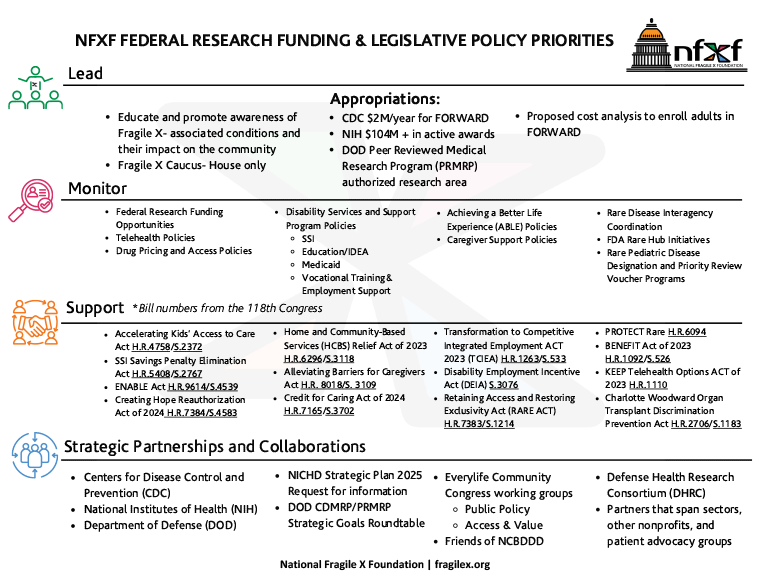
A key resource we shared with our members of Congress during 2025 Advocacy Day was our NFXF Federal Research Funding and Legislative Policy Priorities grid (see page 4 in our 2025 advocacy packet). The grid below outlines the priorities and key issues important to the entire Fragile X community. The NFXF leads the annual request for Fragile X research funding, including the language used to direct agencies responsible for funding this research. This process, known as appropriations, allocates funds for specific purposes within the government, allowing for the release of funds but not necessarily resulting in immediate expenditure.

We also briefly described the bills listed on the grid introduced in the 118th Congress. Note that some of these have been reintroduced since we were there in February 2025.

2025 NFXF Federal Research Funding and Legislative Policy Priorities grid.
Also see descriptions for each.

How You Can Advocate From Home

1. Identify Your Members of Congress

  • Visit Congress.gov’s Find Your Members tool.
  • Enter your full address to identify your members of Congress.
  • The results will provide contact details (phone number or email) or a contact form.

2. Share Your Story

  • Be prepared to give your address to show you are an active constituent in their district.
  • When calling, ask to speak to the aide who handles federal research.
  • Using the script below:
    • Concisely and effectively share your story, including why research dollars matter.
    • Share your Asks

Script: Share your story

Hello, my name is [NAME], and I live at [ADDRESS: Street address, city, state, zip code]. I am a constituent of [Sen./U.S. Rep. NAME].

I am a [state your relationship to Fragile X, such as a parent, sibling, self-advocate, researcher, clinician, or professional], and I am deeply grateful for the federal government investments in Fragile X research. These investments in research have been indispensable in advancing the knowledge of Fragile X, a rare genetic condition, and the Fragile X premutation, which has associated conditions similar to Alzheimer’s/dementia and polycystic ovarian syndrome.

Thanks to these funds, significant strides have been made in understanding Fragile X syndrome and the Fragile X premutation conditions, which impact many individuals and families like mine. Researchers dedicated to Fragile X are advancing our understanding and moving us closer to potential treatments and a cure. However, there is still much more to learn, and continued funding is essential for identifying effective treatments for these complex, life-changing conditions.


Script: For your House member (U.S. Representative)

I urge [U.S. Representative] to support the following for Fragile X:

  • CDC Funding: The CDC has an annual line item in their budget request for $2M for Fragile X, which supports the FORWARD project. This project collects longitudinal data on individuals with Fragile X and makes it available to researchers. The numerous publications resulting from FORWARD data have been instrumental in shaping widely used treatment recommendations for Fragile X.
  • NIH Funding: Significant NIH-funded research has advanced our genetic understanding of Fragile X, supported animal models, facilitated clinical trials, provided infrastructure for interdisciplinary collaboration, and enhanced general education and awareness
  • Join the Congressional Fragile X Caucus: The Caucus is committed to understanding the priorities of the Fragile X community. It does not require any financial commitment or agreement to any policy positions. To join the Fragile X Caucus or sign the letter, contact Maria Costigan in Rep. Joe Courtney’s office or John McDonough in Rep. Chris Smith’s office.

Script for your Senator

I urge Senator [U.S. Senator Name] to support the following:

Request that Fragile X be included as an authorized research area for the DOD’s Peer-Reviewed Medical Research Program (PRMRP).

  • The PRMRP program is part of the Congressionally Directed Research Program (CDMRP).
  • Contact Kendall Moore in Senator Cindy Hyde-Smith’s office to sign the letter and include this in your appropriations request.

Support legislation to restore the funding to reverse the 57% cut to the Congressionally Directed Medical Research Program.

  • Cuts of this magnitude will significantly disrupt research into new therapeutics for diseases and disorders that impact the men and women in the Armed Services, as well as veterans, military families, and the general public.
  • CDMRP grants neither duplicate nor supplant NIH or VA research efforts but rather enhance them. They fund highly innovative projects, support that is typically unavailable through other federal programs.

What to Expect

Remember, Congress members want to hear from their constituents. If you send an email, you will likely receive an automated response noting that your email has been received. If you call, a staff member will likely listen to your comments, note them, thank you, and end the conversation. You may not get a lot of back-and-forth, and that’s OK! Your comments will be logged, typically tallied, and shared with the member.

What Happens Next

We understand there are immediate concerns, and we will continue to advocate and share the action alerts, but we can’t lose focus on our annual advocacy efforts. As the appropriations process for the next fiscal year begins, we must focus on securing the funding and legislative support necessary for the Fiscal Year 2026 Budget. Our next steps in advocacy will shape the future of Fragile X research and support.

If you receive any official notice — whether by email or in writing — of federal funding reductions, service cuts, or loss of support due to these budget changes, we ask that you please share that information with us (email advocacy@fragilex.org). We will ensure it is passed directly to our Congressional champions. They have emphasized that while there is a lot of uncertainty and speculation, they need specific, detailed information to advocate effectively for the Fragile X community.

The NFXF will continue championing the Fragile X-specific advocacy initiatives and the policies impacting the broader disability community. We will continue to provide you with accurate information to help you advocate for yourselves, educate your members of Congress, and partner with groups like ours to make our voices heard.

Your advocacy is key to ensuring continued support for individuals with Fragile X. Let’s work together to make our voices heard!

Learn more about all of our Advocacy Programs.

Hope for the Future – Let’s Find and Support Every Individual Living with Fragile X

It is estimated that there are about 100,000+ individuals living with Fragile X syndrome in the United States, and 1.5 million living with the Fragile X premutation. We estimate that we only know about half of those. We’re on a mission to find and support every family living with Fragile X.

We are closer than ever to possible treatments to improve the lives of those with Fragile X and their loved ones. And every individual living with Fragile X deserves to receive the support and care they need to reach their full potential.

Let’s find ALL our people!

We have gathered information to help you make the most of your online telehealth visit for your child (of any age) with Fragile X syndrome. While we focus on visits with a Fragile X clinic, the information also applies to telehealth appointments with a primary care doctor or other health professionals.

Suggestions for Parents

Think about what you want to get out of a visit. Write down your questions and your goals for the visit. Can you accomplish your goals with a telehealth visit, or would an in-person visit better meet your needs?

When you call to make an appointment (find your local Fragile X clinic), you’ll first ask if they do telehealth visits. Some states don’t have a Fragile X clinic, so make sure they can take out-of-state patients. They also may not do telehealth visits for first-time visits. (If you make an in-person appointment, learn more about visiting a Fragile X clinic and how to prepare.)

Next, discuss the goals you identified earlier with the clinic coordinator. Here are some other questions that may apply to your visit:

  • How long is the call?
  • What kind of paperwork (forms) do I need to complete or sign before the appointment, and how do signatures work when filled out online?
  • Do you accept insurance, and if so, which ones?
  • What software do I need to have on my computer?
  • Can we practice beforehand to make sure it will work?
  • What is the preferred device, mobile or desktop?
  • Are there any considerations or requirements about where my child and I are in my home?
  • What kind of information is the doctor looking for?
  • Will you need my child’s height and weight? If a scale isn’t available, is the exact weight required?
  • Will I need to provide a list of current prescription medications, including dosing and frequency?
  • Will I need to provide a list of current supplements?
  • Will the doctor need information related to school or other outside activities?
  • Is there a schedule or checklist of what will be covered during the call?
  • Will you need to see my child during the visit, and for how long?
  • Will I receive follow-up paperwork or recommendations based on the call, and how soon will I receive it?
  • Can I text the doctor directly?
  • Will the call be private (HIPPA compliant)?
  • As a parent, what am I allowed to ask of the doctor?
  • If my child isn’t comfortable, can I request that the doctor not look directly at my child?
  • Will the doctor be in a secure, private location?
  • If it will help my child’s anxiety, can I provide the doctor with a story or activity about the child that they can ask about during the call? For example, if the child has a favorite sports team, you might suggest the doctor ask them what their favorite sports team is (you might also have your child wear their favorite clothes related to that sport if it helps with their anxiety).
  • Are there any other suggestions, such as a visual schedule, to help the visit go smoothly for your child?

Getting Your Child Used to Online Visits

If possible, have someone available to watch your child for part of the visit so you can discuss topics with the doctor without being interrupted.

If your child refuses to participate, approach it like you would other new experiences and transitions. Break it down into steps and think about each aspect of the experience for potential sensory issues.

This may take some time, so plan to get them comfortable early on. If your child has participated in school online, this process may be quicker, but you will want to see if that comfort translates to a telehealth visit.

One way to prepare is to model the behavior. Start with an online visit with a family member your child is especially fond of. Keep it fun and relaxed, and keep the visits short initially.

After a few practice visits, add two more people to the call, and experiment with adding more as needed. Watch your child’s interest in the calls — are they watching, or are the sounds or visuals too overwhelming? Keep it fun and relaxed. If your child still resists participating, try having them watch from the side where they can see other family members. Show your child that these calls can be fun and a great way to stay in touch with others.

If possible, you can also try including your child in a work Zoom call. Other variations include:

Have their siblings model the behavior. You can prompt your child to say, “When is my turn?” or “I want to do that.”

Tell your child they do not have to look at the screen. Instead, they can look off to the side and hold an object to show the doctor, or whatever you can think of, or try to engage your child.

Make it a process. You can start with just their head leaning over in front of the camera, then move on to sitting in front of the camera for two seconds, then gradually increase the time as the child tolerates the activity. Go at your child’s pace and keep it calm and fun(!).

Use snacks or simple activities as appropriate. Try only if you think it will help your child sit longer. You will also have to determine if it will be too distracting for the child to see the doctor.

Take turns. If the child would like their own time with the doctor, consider talking first, then the child can have their own time with the doctor while you slowly move away. But stay close since your child would be on the screen by themselves. Continue for as long as you think your child will tolerate it.

Have the child do a show-and-tell for the doctor. Again, you will determine the appropriate length of time for this.

Reward your child. Offer your child a preferred activity if they join a call, even for those two seconds.

Also see How to Prepare for a Telehealth Visit, a webinar with Dr. Rebecca Shaffer and Dr. Ernest Pedapati.

For You and Your Healthcare Professionals

We often receive questions about the genetics of Fragile X, which is a complex topic! Fragile X is a group of conditions associated with alterations in the FMR1 gene, particularly in the number of CGG repeats. These alterations affect how the gene functions and identify the risk for Fragile X-associated conditions.

To help make sense of these complexities, we’ve developed a series of handouts covering a range of topics, including one specifically designed for healthcare professionals.

For Families & Individuals

Genetics of Fragile X Fact Sheet
1 pages,
Updated 04/15/2025
Learn and share how changes in the FMR1 gene happen, how Fragile X is inherited, and what CGG repeat ranges mean for individuals and families.
Genetic Counselors Fact Sheet
2 pages,
Updated 04/15/2025
Genetic counselors help individuals and families understand complex genetic information, interpret test results, and guide informed decision-making. This document outlines the role of a genetic counselor, the different types of genetic counselors, and when it may be helpful for you or your family to seek genetic counseling.
Genetic Testing for Fragile X FMR1-Associated Conditions Fact Sheet
2 pages,
Updated 04/15/2025
Genetic testing options are something you may discuss with your healthcare provider. It’s important to understand what each test can reveal, the potential risks, and how the results may impact you and your family. Everyone’s situation is unique, so having clear information can help you make informed decisions for yourself and your family.
Fragile X Premutation Fact Sheet
2 pages,
Updated 04/15/2025
The Fragile X premutation refers to an atypical expansion of the CGG sequence in the FMR1 gene, typically ranging from 55 to 200 repeats. This expansion is used as a risk identifier for Fragile X premutation-associated conditions. While Fragile X syndrome is considered a rare genetic condition, the premutation is not classified as rare. Ongoing research continues to explore additional health risks that may be linked to the FMR1 premutation.

For Professionals

Medical Coding for Fragile X FMR1-Associated Conditions For Professionals
1 pages,
Updated 04/15/2025
We have compiled a list of possible procedural, service, and diagnostic codes that might be used in your practice to order FMR1/Fragile X testing and/or provide a formal diagnosis.

We want to express our appreciation to Melanie Nettler, a genetic counseling student intern, for her assistance in creating the various flyers on the genetics of Fragile X. Melanie worked closely with the NFXF to develop educational resources that help clarify the complexities of FMR1 Fragile X genetics.