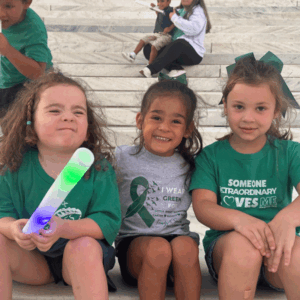
Did you know there is a lot of Fragile X research going on — including research for individuals with Fragile X syndrome and the Fragile X premutation?

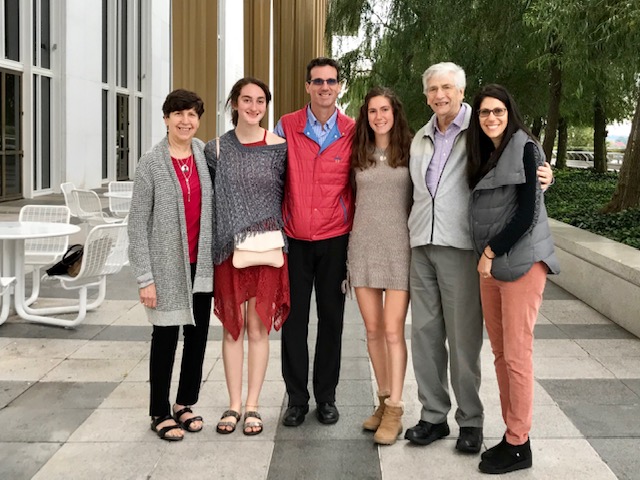
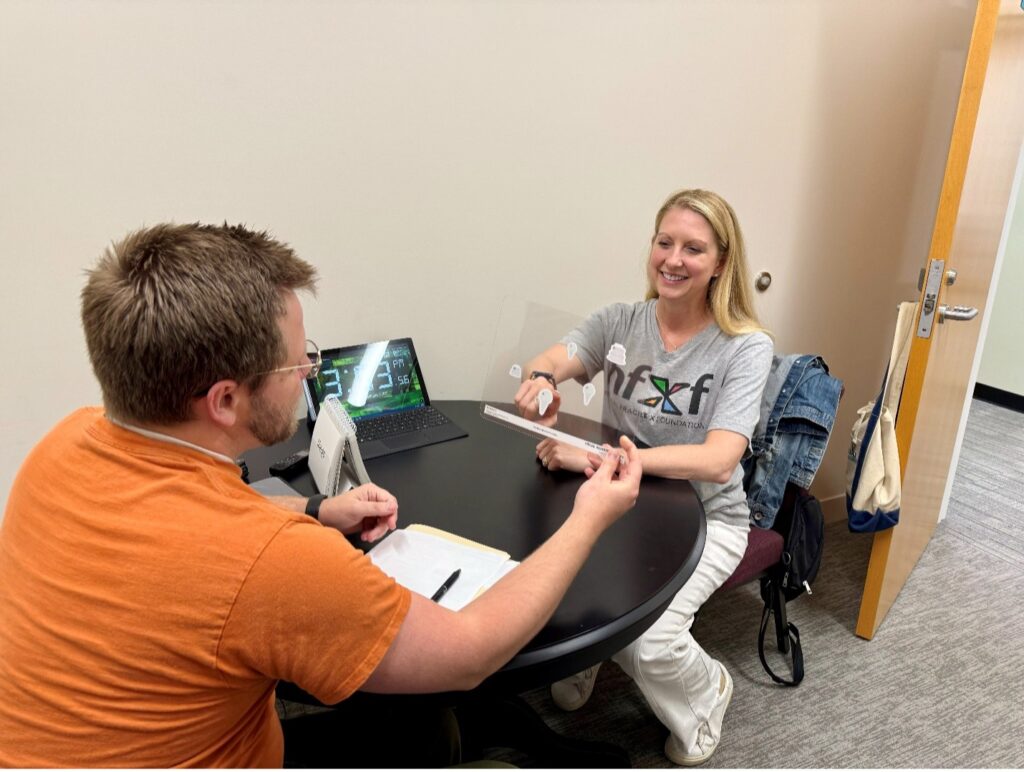
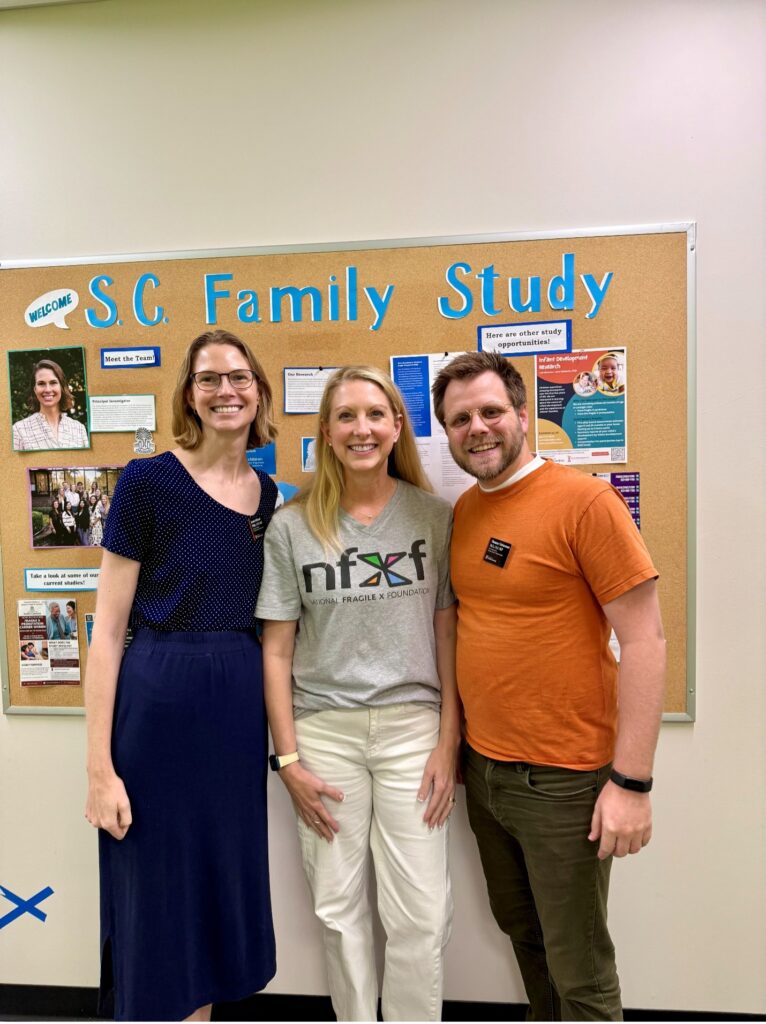
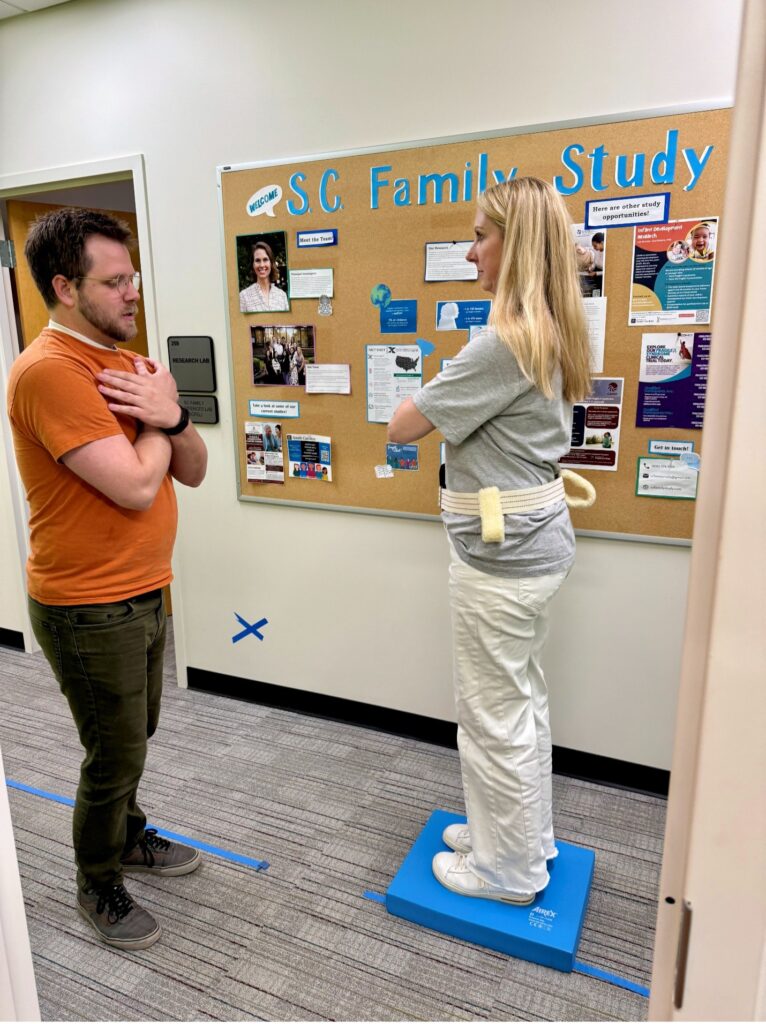
Meet Jill. Jill’s family represents the genetic and hereditary nature of Fragile X. Jill’s daughter, Carly, was diagnosed with FXS at age 3. After Carly’s diagnosis, Jill and her husband were advised to get tested as well. When Jill found out she carried the Fragile X premutation, it was encouraged to have her parents tested to understand the inheritance pattern. 

Jill’s dad, Steve, was identified as also carrying the Fragile X premutation. From that day forward, everyone in Jill’s family participated in research, wanting to do their part to understand more about Fragile X. Research identified Steve was exhibiting signs of Fragile X-associated tremor/ataxia syndrome (FXTAS) and eventually prompted his diagnosis. Research also identified Jill has tremor. Future research feels even more important to Jill and Steve, as they know research leads to potential treatments. While there are currently no treatments for FXTAS, an adult-onset neurodegenerative condition, Jill, Steve, and the entire Fragile X community remain hopeful.

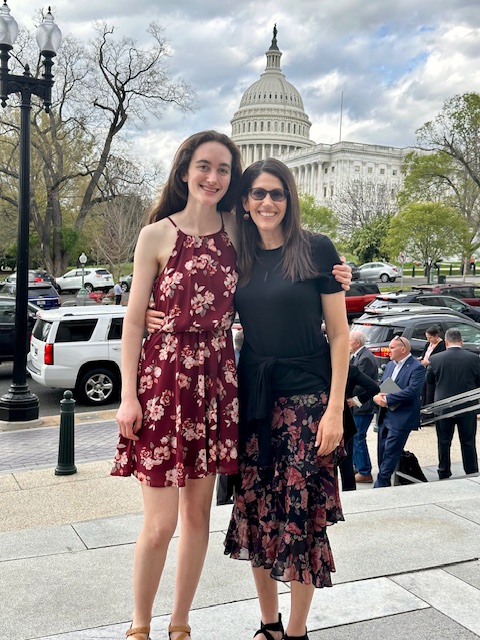
Jill and her family

Did you know there is a lot of Fragile X research going on — including research for individuals with Fragile X syndrome and the Fragile X premutation? While there has been great research in Fragile X syndrome for a while now, we are seeing more and more research emerge on important Fragile X premutation-associated conditions like FXTAS, including a new federally funded FXTAS clinical trial readiness project. 

This new FXTAS clinical trials readiness grant is integral to the future of FXTAS research including biomarkers and endpoints—areas where Fragile X trials have historically struggled. As you know, federal funding is crucial to moving Fragile X research forward, and it’s also a competitive funding environment. 

That’s why we’re providing funding to support collecting biological samples, in order to identify biomarkers and endpoints for future trials. Investing here fills a major gap and advances meaningful progress, laying this groundwork greatly increases the chance of future FXTAS trial success.

Join us in investing in the future of research for the Fragile X premutation.

Donate today!

Sometimes, enjoying the holiday season can feel more like surviving. With changes in routine, too many social events, and too little sleep, countless unknown variables might create unique challenges for individuals with Fragile X syndrome.  

We want you to be able to enjoy the season, so here are some activities, tips, and advice to set everyone up for success. Each person with Fragile X syndrome is different, so what works for one may not work for the other. The most important thing is finding what feels right for your family—it might even lead to a special new tradition! 

Managing a Change in Routine

One of the most challenging aspects of the holiday season can be the shift in routines. As school and work schedules change for everyone in your home, sleep routines may shift, you might have guests staying with you or even travel yourself. These changes can cause stress and disruption, making it even more important to prepare for this busy time. Here are some tips to help:

Create a Special Holiday Routine: Try to keep as much of your usual routine as possible, while adding in holiday events and plans. Use tools like visual schedules, calendars, or even mobile apps to clearly show upcoming events to help set expectations.

Watch and use the tips from our webinar:

  • Archives
  • Caregiving

00 h 22 m

Create a Manageable Holiday Schedule: Be sure you include breaks and downtime. You don’t have to attend every event! This will (hopefully!) allow you to navigate the season with less stress.

Prioritize Restful Sleep: With all the changes happening, maintaining a consistent bedtime and wake-up time can help ease transitions and support everyone’s well-being during the busy season.

Learn more about supporting healthy sleep.

Prepare For New Routines: If you anticipate changes to your typical routine, such as greeting guests, sitting at the table to eat with others, or using a new visual schedule app or resource, be sure to practice these new routines or tools a few times in advance. Practicing ahead of time allows everyone to get comfortable with the changes and helps set everyone up for a more successful and enjoyable experience.

Consider Sensory Strategies: Integrating sensory strategies into activities and routines can help promote success! Hyperarousal and anxiety can be ever-present for people living with FXS, even when they may not be showing outward signs and are participating in a preferred activity. Learn more.

Attending Get-Togethers

It’s important to consider how you will measure success for the event. While it’s easy to get caught up in feeling like you must stay for the entire gathering, it’s most important to focus on your goal for success. Is it to enjoy the meal, join everyone for dessert, or simply participate in some part of the get-together?

Set a clear goal for yourself or your loved one and remember that it’s perfectly okay to leave when it feels right, which could be after a successful moment or once everyone is feeling content. Leaving on a high note helps ensure the experience remains positive and enjoyable, without becoming overwhelming.

Here are some things to consider:

Prepare for the Event: Discuss the event together in advance and consider what might be needed to help everyone feel comfortable. This could include bringing comfort items such as headphones, a favorite toy, or a preferred item like a cup or a blanket.

Use strategies like visual schedules, social stories, short video recordings of the event location, and photos of the event space or people who may be attending to make the experience feel more familiar.

Having “side-dialogue” conversations can also help create predictability and clarify what to expect. Preparing ahead of time can reduce anxiety, ensuring that everyone feels comfortable and ready, setting the stage for a more enjoyable and successful event.

Find more helpful tips and strategies.

Food: Offer to bring a favorite food that can be shared, ensuring you and your loved one have something familiar to eat while contributing to the event.

Singing: Singing, especially songs like “Happy Birthday,” can sometimes present challenges. Some children with Fragile X syndrome do not like the birthday song. Ask if there are plans for a singing activity at the party, and if so, request a heads-up so you can take a break from the party if needed.

Quiet Space: Ask if there is a room or place you can go if needed. Whether it’s for a break from the commotion or simply to eat in peace, asking the host ahead of time will help be sure that space is available and kept quiet for you whenever you need it.

Plan a Movement Activity: Consider a gross-motor activity, which is an activity that involves large muscle groups throughout the entire body. You could spend time outside walking, running, or playing a game. Sometimes basements or other areas of the home have a good place to safely host a gross motor activity. These activities can be calming and help with regulation of the body and mind.

Watch and use tips from the webinar:

  • Physical & Mental Health
  • FXS

00 h 26 m

Know When to Leave: Recognize when it’s time to leave. Thinking ahead about when you might need to step away can help; whether it’s leaving early or simply taking a break if things become overwhelming.

If the individual with FXS becomes upset, model the behavior you want them to achieve by staying calm. Use visual or physical prompts, slow down, lower your volume, and simplify your words to help create a calming environment and guide the situation.

Remember, it’s okay to leave when needed—focus on all the successful moments that have already taken place and know that you’ve done your best to create a positive experience.

Being With Friends and Family, New and Old

Individuals with FXS can be very social; they like to joke, laugh, and please the people around them. Be flexible and understand that engagement is likely to vary. The individual with FXS may avoid touching, hugging, speaking, and/or eye-contact. Allow them to set the pace and be patient. As they become more comfortable with others, you may start to see more engagement, including eye-contact.

Many individuals with FXS do not like loud voices or when someone gets upset. They also tend to mirror the emotions of those around them — both positive and negative. So, if you’re watching a game with passionate sports fans, be prepared — their excitement (or frustration) might just become contagious! Keep an eye on things if emotions start to escalate, whether it’s from new people or familiar faces.

If possible, share the 10 Things Everyone Should Know About Fragile X Syndrome with family and friends ahead of time. This can be an effective way to share the needs of your loved one and family, and how through their understanding, they can help to support a positive and successful encounter!

Creating a Tradition Just for Your Family!

Pick a holiday activity that you and your loved ones enjoy and consider making it a tradition! It could be cooking a special meal, decorating your home, doing something nice for others, watching a movie, having a PJ day, sending holiday cards, the list goes on and on. You deserve to feel the joy of the winter season!

Feel free to redefine what the holiday season means to you and your traditions, regardless of how unconventional it might be! Remember, the holidays are about making memories and embracing what works best for your family.

Here are some ideas to get you started:

  • Online shopping
  • Zoom get-togethers
  • Holiday lights and decorations in the car (don’t forget the snacks!)
  • Search for “sensory friendly events near me”

You Are Not Alone

Some families have shared that the holidays can feel isolating or lonely, especially while everyone around you seems to be enjoying the unstructured, relaxed time. It can be difficult to open up to family and friends about how you’re feeling, as you may worry you’re the only one struggling.

However, reaching out to a trusted friend, family member, or therapist can help you feel understood and less alone. Sharing your feelings can create a sense of connection and remind you that it’s okay to seek support during challenging times.

Many caregivers have expressed the challenges of feeling like they need to think 10 steps ahead, constantly preparing for every possible situation and scenario. The responsibility of helping a loved one navigate day-to-day life can be overwhelming, especially during the holidays.

It’s important to recognize that, even with careful preparation, there will be times when things don’t go as planned. You may need to leave earlier than expected, or the anticipation may become too overwhelming, and your tools and strategies might not work as well as you hoped. That’s okay! It’s all part of the journey, and being flexible is key.

Try to celebrate the successes, such as watching a movie for longer than expected, transitioning through activities or spaces, trying new foods, wearing non-preferred clothes, or using tools and resources to ask for their needs. Acknowledge the strength and flexibility it takes to navigate everything the holidays bring.

Focusing on these accomplishments can instill a sense of pride and help build the confidence to explore new routines and activities in the future. Every small victory is a step forward and recognizing them can offer encouragement for what lies ahead.

External Resources

Please note that the external resources linked below are provided as options for your consideration. They do not constitute a recommendation or endorsement.

Resources to Help Prepare for the Holidays (Autism Speaks)

11 Tips for an Autism-Friendly Holiday Season (Sunny Days Sunshine Center)

3 Ways to Help Your Child with Autism Have a Happy Hanukkah (Opya)

Supporting Persons with Developmental Disabilities through the Holidays (Christian Health)

Sensory-Friendly Films (AMC Theatres)

Parts of this article are from Jayne Dixon-Weber’s article, Home for the Holidays: Making the Visit Comfortable. Thank you Jayne.

Mirum Pharmaceuticals has officially enrolled the first participant in its BLOOM Phase 2 clinical study evaluating MRM-3379, a potential new treatment for Fragile X syndrome (FXS).

What’s Happening

The BLOOM study is now underway, enrolling males living with FXS to evaluate the safety, tolerability, and early signs of benefit of MRM-3379 over a 12-week period. This is the first time this investigational therapy is being tested in individuals with Fragile X.

Why This Matters

MRM-3379 targets a biological pathway known to be disrupted in Fragile X. Early preclinical research suggests it may improve key challenges related to behavior, cognition, and daily functioning. With no FDA-approved treatments that address the underlying biology of FXS, any drug showing potential in this area represents a major step forward.

What’s Next

As the study progresses, updates on safety, enrollment, and early outcomes will help determine whether MRM-3379 advances to later-stage trials. Mirum expects top-line Phase 2 data in 2027.

This milestone underscores continued forward movement in Fragile X research — and the community’s ongoing drive toward better treatments and brighter futures.

mirum logo

Read the full press release here.

Your gift on Giving Tuesday will help grow the future of Fragile X research.

Meet Will.

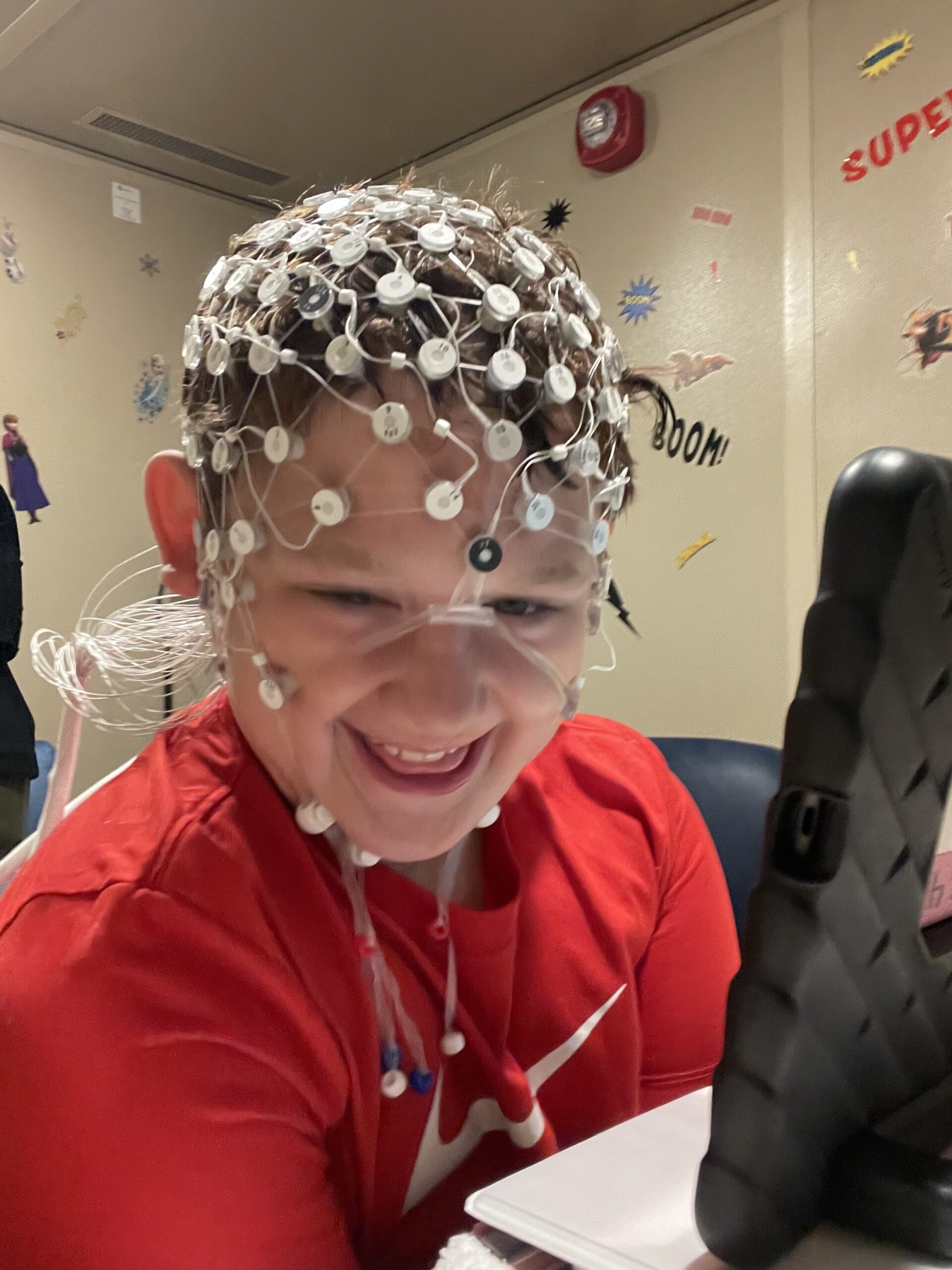
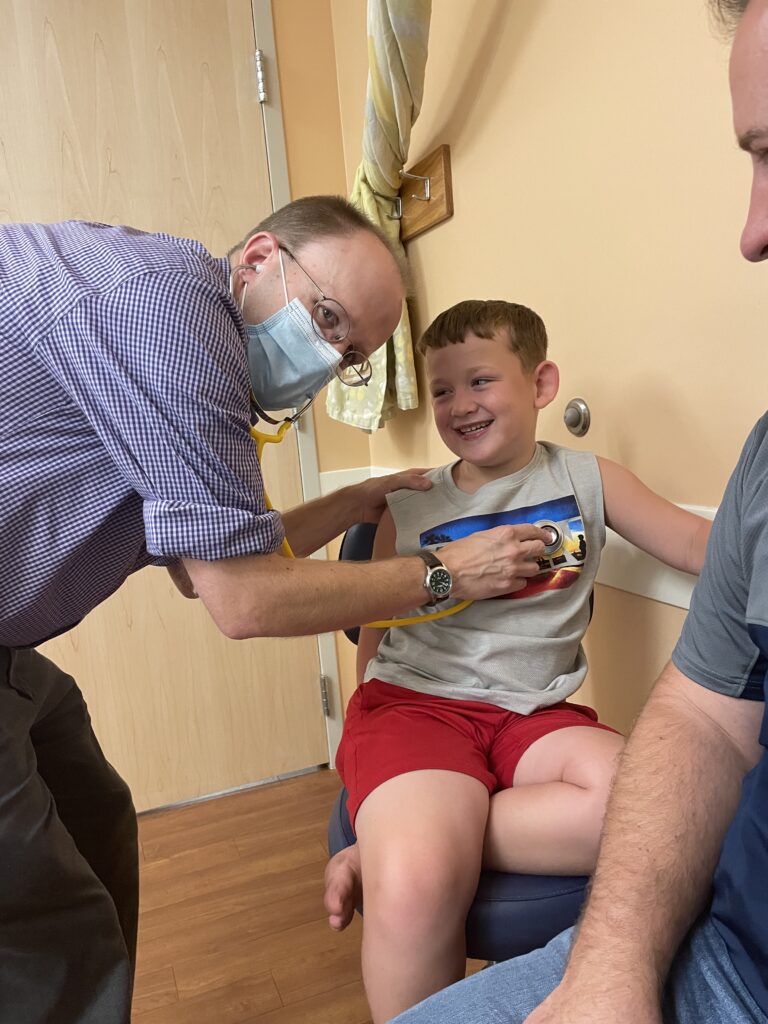
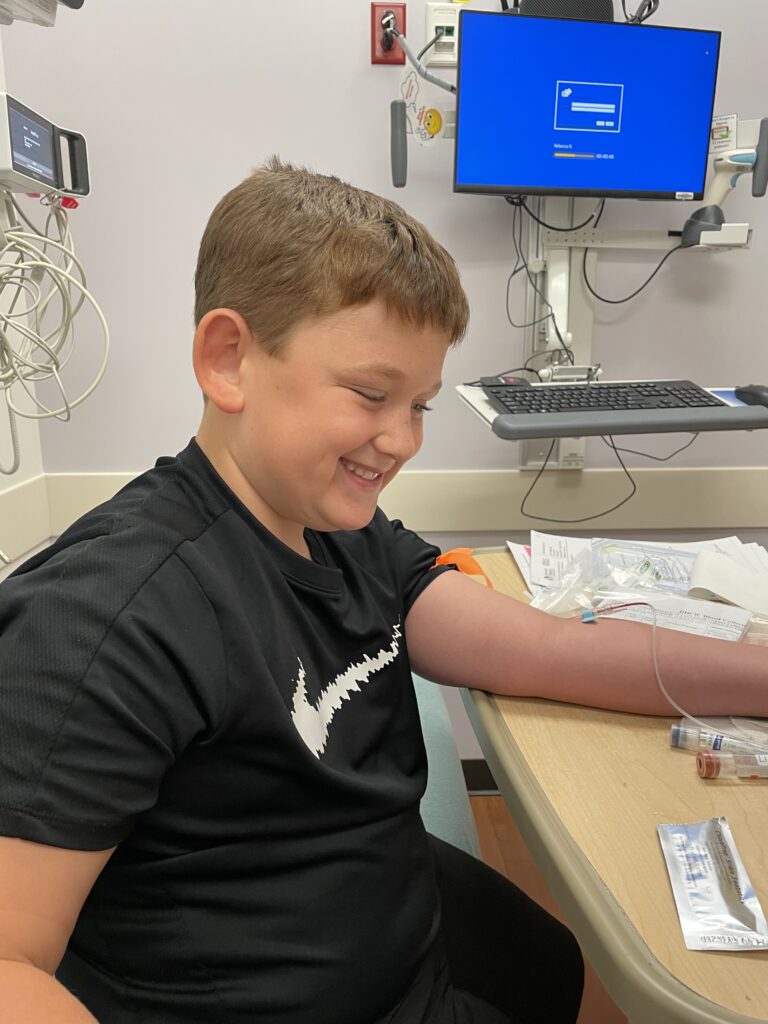
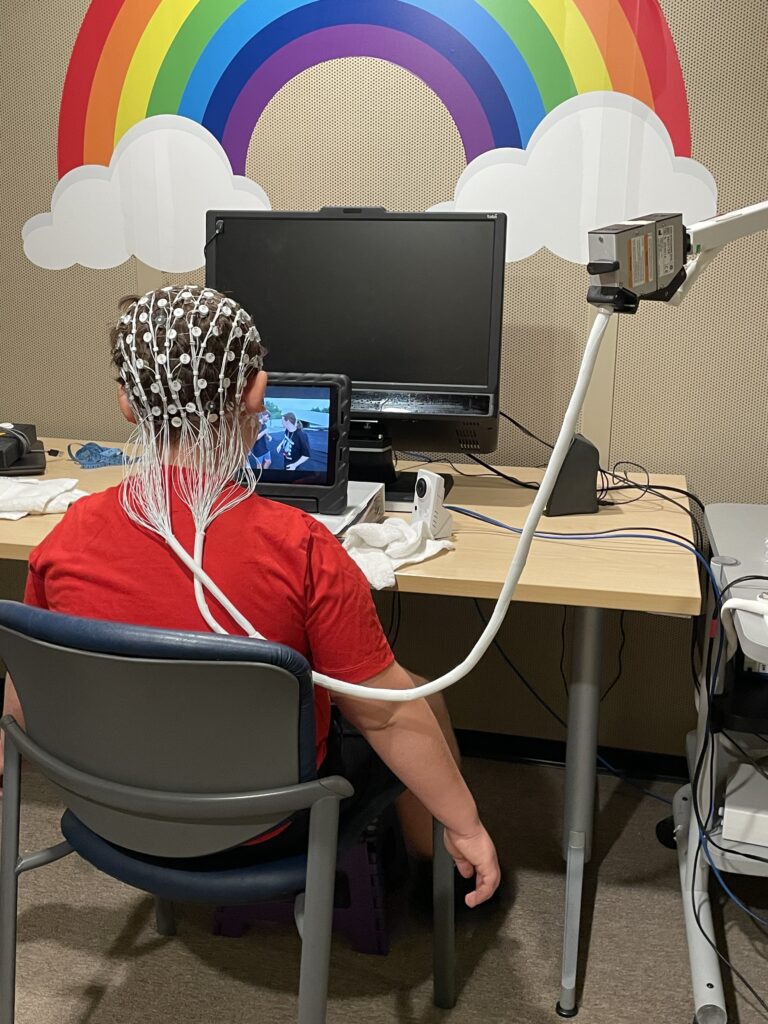
Will participates in Fragile X research studies — helping scientists better understand the condition and develop new treatments. Every test, every data point, every study visit he completes brings us closer to breakthroughs that could change lives for thousands of families.

But that progress depends on investing in research — and in the next generation of scientists leading the way.

Will participating in researchMeet Will.

Will participates in Fragile X research studies — helping scientists better understand the condition and develop new treatments. Every test, every data point, every study visit he completes brings us closer to breakthroughs that could change lives for thousands of families.

But that progress depends on investing in research — and in the next generation of scientists leading the way.

This year, we’ve set a bold goal to raise $50,000 by December 31 to support research awards and mentorship opportunities for young Fragile X professionals. As we approach Giving Tuesday on December 2, you’ll have the chance to make an impact and be a part of growing the future of Fragile X research.

Your support will help:

  • Fund new research awards for early-career investigators
  • Enhance our mentorship program to encourage young professionals to expand their work in Fragile X
  • Strengthen the bridge from awareness to new treatments

Together, we’re making Fragile X a household name — and growing the future of Fragile X research, to ensure people like Will have the brightest possible future.

Donate Today!

Did you know, both males and females can have the Fragile X premutation?

Meet Laurie. Laurie is many things to many people, an occupational therapist, mom, wife, friend, and dedicated research participate, to name a few! Laurie also happens to have the Fragile X premutation. While this piece of information has not had a major impact on her personal health, it’s something she is aware may put her at a higher risk for certain Fragile X-associated conditions. At a routine trip to the neurologist, Laurie disclosed she had the Fragile X premutation. The doctor- new to Laurie and early in their career- stated, “Isn’t there a neurodegenerative condition associated with that?”

Wait, what?! Someone knew about FXTAS!

Did you know both males and females can have the Fragile X premutation? Both males and females are at risk for FXTAS though the incidence varies.

With the help and support of the National Ataxia Foundation, we have been able to meet and educate more clinicians about Fragile X-associated tremor/ataxia syndrome. Our hope is that individuals across the country have access to clinics knowledgeable about FXTAS—not only so patients receive informed care, but also so clinicians can help families understand the genetic and hereditary nature of Fragile X.

Our Fragile X Clinic Finder now includes many of the NAF Ataxia Centers of Excellence as part of our FXTAS listings.

Thanks to you, more clinicians than ever know about Fragile X. And with your help, we can continue to grow the next generation of professionals who know and treat Fragile X.

Help us educate more clinicians about the Fragile X premutation, with a special emphasis on raising awareness for FXPOI, in 2026.

Together, we can make Fragile X a household name.

Join us today!

We’re always encouraged to see new research efforts focused on improving the lives of individuals and families living with Fragile X syndrome (FXS). One company taking an exciting new approach is CONNECTA Therapeutics, a biotech company developing treatments that aim to help the brain strengthen its own connections.

A New Way to Support the Fragile X Brain

CONNECTA’s lead medicine, called CTH120, takes a fresh approach to treating FXS. It works by supporting a natural brain pathway called the BDNF pathway, which helps brain cells grow, communicate, and form new connections. In studies using FXS mouse models, CTH120 helped improve how brain cells connect to each other and led to better thinking and behavior — two areas that can often present challenges for people living with FXS.

Early Signs of Success

CONNECTA recently finished a phase 1 clinical trial in 76 healthy volunteers. The results were very positive: the medicine was safe and well-tolerated, and it even showed early signs of reducing anxiety, which is common in many individuals living with FXS.

Why This Matters

For families affected by FXS, this research represents a new opportunity, and, perhaps, a new kind of hope. Most current treatments focus on easing symptoms, but CTH120 aims to modulate neuroplasticity, the ability of the brain to adapt its activity in response to internal or external stimuli by reorganizing its structure, functions, and connections.

What’s Next for CONNECTA and FXS

The next big step will be a Phase 2a clinical trial, set to begin in early 2026 in Europe. This study will test how well CTH120 works for adults living with FXS and continue to confirm its safety. Through the FRAXCURE project, co-funded by the European Union, CONNECTA is also preparing to expand its work to include children and teens in future studies. The company eventually plans to run clinical trials in Europe, the U.S., and Japan.

Looking Ahead

While it’s still early, CONNECTA’s work is an exciting step forward for Fragile X research. By focusing on the brain’s natural ability to rebuild and reconnect, CONNECTA is opening a new path that could one day help individuals with Fragile X.

We’ll continue to follow CONNECTA’s progress and share updates as their research moves forward. Every step like this brings us closer to more options — and more hope — for our community.

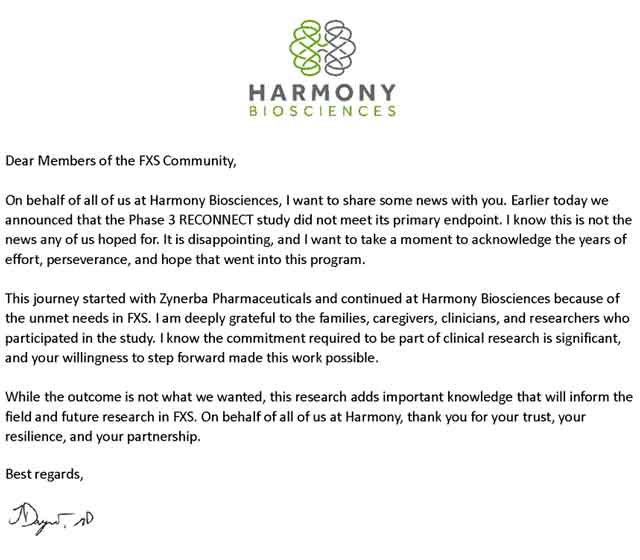
Harmony Biosciences recently announced results from its Phase 3 RECONNECT study of ZYN002, a cannabidiol (CBD) gel being tested for Fragile X syndrome. Unfortunately, the study did not meet its main goal, which can feel disappointing for families following the progress. See the letter from Harmony here, and below, we’ll break down what this means and what comes next.

What Makes a Trial “Successful”?

When a medicine is tested in a clinical trial, researchers set a main goal, called the “primary endpoint”, before the study begins. This is the most important thing they are measuring, and its accuracy will determine whether or not a trial is successful.

If the results show that the study medicine helps participants reach the primary endpoint significantly more than participants not taking the study medicine, the trial is considered “successful.” If the results do not reach the primary endpoint with statistical significance, even if there are positive signs in other areas, the trial is considered not successful.

In the RECONNECT clinical trial, the primary endpoint selected was “improvement in social avoidance”. The data collected from the trial did not meet the primary endpoint, reportedly due to a high placebo response rate.

What Is a “Placebo Response” — and Why Did It Matter Here?

In most clinical trials, a randomized group of participants is given a placebo. This is done so researchers can compare the group being treated with study medicine to the “control” group being treated with a look-alike with no active medicine. Surprisingly, many participants in the placebo group often show improvement too — sometimes just from being part of the study, the extra attention, or because symptoms naturally change over time. This is called the placebo response.

In the RECONNECT trial, the placebo group improved more than expected. This made it harder to show a clear difference between the study medication gel and the placebo gel. So even if the gel did help some participants, the high placebo response made the results less clear.

Can Families Still Access CBD?

Yes! CBD is already available in several ways outside of this study.

If you’re considering CBD, it’s important to discuss it with your healthcare provider to make sure you’re using safe, reliable products.

What Does “Fast Track” Mean?

Harmony Biosciences mentioned the study medication, ZYN002, has received “FDA Fast Track designation for the treatment of behavioral symptoms in patients with FXS.” This “Fast Track” designation does not mean the drug is automatically approved, but it does mean the FDA agrees Fragile X is a serious condition with urgent needs, and they’re willing to help speed up the review process. Fast Track status lets the company have more frequent check-ins with the FDA and submit data faster, so if the treatment does prove helpful, it can potentially reach families sooner.

What Happens Next?

It appears that Harmony is not moving forward with FDA approval for a Fragile X medication at this time. They remain committed to sharing updates as they learn more, and we will keep the FX community informed. 

Even though the RECONNECT trial didn’t meet its primary endpoint, that doesn’t mean the end of the road. Here are some of the positives to come from this trial:

  • Harmony saw some encouraging signs in other areas of the study.
  • Researchers may look more closely at whether certain groups of children responded better than others.
  • Future studies may be designed differently to reduce the impact of placebo responses.

Drug development is rarely a straight path, especially in rare conditions like Fragile X. Each study, even the ones that don’t meet their goals, teaches researchers more and helps move the field forward.

Final Thoughts

We know this news may feel disappointing, but it’s important to remember that progress in Fragile X research is ongoing, and every study adds to the knowledge base. Additionally, families still have access to supportive therapies and medical care..

The research community — including companies, doctors, and advocates — is still working hard to bring new treatment options to families living with Fragile X.

The information provided regarding is not a recommendation, referral, or endorsement of any resource, therapeutic method, or service provider and does not replace the advice of medical, legal, or educational professionals. The NFXF has not validated and is not responsible for any information or services provided by third parties. Individuals are urged to use independent judgment and request references when considering any resource associated with the provision of services related to Fragile X.

Developing a Protein Replacement Therapy for Fragile X Syndrome

Fragile X syndrome can present challenges for affected individuals and their families. There remains a critical need for curative therapies that can support greater independence and improved future outcomes for people living with Fragile X. While several promising and diverse therapeutic approaches are currently under clinical investigation, they do not address the underlying cause — the loss of Fragile X Messenger Ribonucleoprotein (FMRP), a protein essential for numerous cellular functions. Approaches targeting single FMRP effectors cannot fully make up for FMRP loss and may only address specific symptoms. Therefore, therapies that restore the function of FMRP are essential in the search for a curative therapy.

The Origins of Bowen’s FX Therapeutics

To address this unmet medical need, Bowen’s FX Therapeutics was established in 2024 by our founder, Jeff Parr, grandfather of Bowen, a four-year-old recently diagnosed with Fragile X syndrome. The company is named after Bowen, with a mission to advance curative therapies for him and all people with Fragile X syndrome.

Bowen’s FX is focused on developing a transformative, systemically delivered protein replacement therapy designed to restore FMRP function throughout the body, including the central nervous system. This strategy originated from the laboratory of Professor Ray Turner and his team, including Dr. Xiaoqin Zhan at the University of Calgary. Their research demonstrated that an engineered fragment of FMRP could serve as a viable substitute for the full-length protein, providing the basis for our therapeutic protein replacement program.

The primary therapeutic molecule consists of an FMRP fragment fused to a peptide to facilitate enhanced brain and cellular delivery. This engineered protein is designed to cross the blood-brain barrier and is intended for administration via intravenous or subcutaneous injection, eliminating the need for direct brain injections and minimizing invasiveness.

Preclinical studies have demonstrated the following key outcomes so far:

  1. Restoration of typical protein expression and mitochondrial function in human cellular models of Fragile X syndrome.
  2. Effective brain penetration and neuronal uptake following intravenous administration.
  3. Restoration of typical protein expression in the brain of a mouse model of Fragile X syndrome.
  4. Reduction of behavioral hyperexcitability in a mouse model of Fragile X syndrome.
  5. Recovery of unusual brain activity in a mouse model of Fragile X syndrome, as assessed by electroencephalography, particularly within the gamma frequency range associated with cognitive neural processes.
  6. Improved safety and stability profile, suitable for optimization towards safe human use.

Current Strategy and Research & Development Activities

Bowen’s FX ongoing research prioritizes the identification of the most stable and functional therapeutic variant and optimal drug formulation. The Research & Development team continues to advance engineering and testing efforts to enhance manufacturability, storage, and dosing, while also evaluating the feasibility of subcutaneous delivery methods, such as infusion pumps, to improve the convenience of patient dosing. Our objective is to complete these optimization studies as early as 2026, enabling the selection of a clinical candidate for manufacturing and final safety assessments before initiating clinical trials.

Looking Ahead and Impact in Fragile X

There are still several steps to fully demonstrate that protein replacement with engineered FMRP is safe, effective, and can be conveniently dosed in patients before advancing into clinical trials. Once there, we will apply for special regulatory designations for orphan drugs and rare pediatric conditions that can minimize the timeframe to approval as a Fragile X syndrome treatment. If achieved, our goal is for Bowen’s FX protein replacement therapy to become the first treatment to restore the function of FMRP, improving outcomes across the full range of symptoms that occur in Fragile X syndrome. In doing so, we hope this will allow for greater ability and independence for people with Fragile X syndrome, increasing their connection to family, friends, and society, and improving their overall quality of life.

For more information about Bowen’s FX Therapeutics, please visit our website and our LinkedIn page.

The National Fragile X Foundation attended the 6th International Conference on Fragile X Premutation Associated Conditions, a biennial conference which, this year, took place in Italy. The meeting was attended by over 100 dedicated researchers and clinicians from around the world. Most of the presentations and discussions revolved around developing a better understanding of premutation-related conditions, including FXTAS, FXPOI, and other emerging conditions, in hopes of developing new and better treatments. We were excited to see many familiar faces, meet more Fragile X experts from around the world, and reunite with many past NFXF Jr. Investigators.

The NFXF led a discussion regarding the updating of the family-friendly treatment recommendations for FXTAS. The updated recommendations will be published early next year following input from numerous professionals, patients, and their caregivers. A companion publication for clinicians is also being drafted.
A full report from the conference will be published in the months to come. The NFXF will share more details, impact, and next steps with you then.

Most importantly, each presenter thanked the individuals and families who participated in their research. Without you, we would not be able to make progress and learn more about the Fragile X premutation. Thank you!

View the conference agenda

We’re thrilled to spotlight a major new review article recently published in the New England Journal of Medicine (NEJM) – The Spectrum of Fragile X Disorders by Randi J. Hagerman and Paul J. Hagerman.

This review, written by UC Davis experts, Dr. Randi Hagerman and Dr. Paul Hagerman, illuminates Fragile X-related conditions and simultaneously calls for greater physician awareness and screening of Fragile X-related conditions.

Why does this matter?

Outside of getting this crucial information into public spaces, the New England Journal of Medicine is one of the world’s most prestigious medical journals, with a rigorous peer-review process and a global audience. Publication here means that the Fragile X community—and physicians, researchers, and policymakers—can’t ignore it.

This review is a sweeping update on the family of Fragile X conditions—from full mutations causing Fragile X syndrome (FXS), to premutation-related conditions like Fragile X-associated tremor/ataxia syndrome (FXTAS) and Fragile X-associated primary ovarian insufficiency (FXPOI).

Check out the full review article here: The Spectrum of Fragile X Disorders – NEJM, July 17, 2025, Vol 393 (3), pp 281–288

Read more about Dr. Randi Hagerman and Dr. Paul Hagerman and this review article here.