
Introduction

Attending elementary school may be the child’s first encounter with school. This experience can be difficult especially when separating from a parent for the first time. If the child was identified with special needs early, the child may have already learned a number of classroom behaviors necessary to access instruction. Others will be learning a variety of skills necessary to be successful at school. The emphasis at the elementary level is learning academic skills, which can be particularly frustrating if best practices are not incorporated into the process. This document lists a number of strategies and supports that have proven to be successful.

Much of the child’s day will be in a classroom with other students. The placement and interaction with neurotypical peers will be determined by the team at the staffing. Because children with FXS are often social and enjoy being included if only on the periphery, this time can be especially meaningful. For the individuals with Fragile X syndrome (FXS), that can include placement in a center-based program, resource program, or in a general education classroom with support staff, i.e., paraprofessional, speech-language pathologist (SLP), occupational therapist (OT), physical therapist (PT), or psychologist. (If needed, you can reference a glossary at the end of this page.)

The following provides information regarding legal educational policies and recommendations as well as promising practices for academic and adaptive functioning. It is important to note that school districts across the country vary in their interpretation and application of federal guidelines and policies. As such, it is important to use the contents of this document as recommendations.

Educational Services and Assessments List

The following is a compilation of services and assessments that are often provided to school age children with FXS. This list is recommendations and should not be viewed as exhaustive.

The individualized education program (IEP) is a determination of need based on formal and informal assessments and observations. The needs of the child will form the basis for their goals and objectives along with the services that they will receive in schools. The IEP must be reviewed annually (annual review) and should be modified based on the student’s present levels of academic achievement and functional performance. A full evaluation must take place every three years (triennial review) to determine if the student continues to be eligible for special education services due to their identified disability.

Educational Services Chart (6 to 12 Years Old)

See more about each component and assessment following the chart.

Educational ServicesAcronymRecommendation
SERVICE COMPONENTS:
Response to interventionRTIAs appropriate
Multi-tiered systems of support
Includes RTI and positive behavior intervention and supports (PBIS)
MTSS, PBISAs appropriate
Individualized education programIEPAnnually
Behavior intervention planBIPAs needed
SCHOOL SERVICES:
Adaptive physical educationAPEAs needed
Counseling services
Including psychological services, behavior management
As needed
Evacuation planAs needed
Extended school yearESYAs needed
Health care planAs needed
Occupational therapy; sensory integration within OT
Including handwriting, adaptive functioning, personal care, and compensatory strategies.
OTAs needed
Physical therapyPTAs needed
Social skills trainingAs needed
Speech-language therapy
I.e., communication and pragmatic language and possible augmentative and a system
As needed
TransportationRequired
Applied behavior analysis therapyABAAs needed
ASSESSMENTS:
Developmental multidisciplinary assessment
Includes speech-language pathologist (SLP), OT
SLP, OTAs needed
Functional behavioral assessment (FBA)FBAAs needed
Psychoeducational assessment
Administered by certified/licensed school psychologists, licensed psychologists
Recommended at
time of eligibility
and every 3 years
for the triennial review

*See also: Assessment of Fragile X Syndrome for Clinicians, a treatment recommendation from the NFXFʼs Fragile X Clinical & Research Consortium.

Description of Service Components

Individualized Education Program (IEP)

An IEP is a legal document that guides a child’s specially designed educational program and services. The IEP is developed by a multidisciplinary team, which includes teachers, parents, and the student (if appropriate based on age). Based on the regulations set forth in the Individuals with Disabilities Education Act (IDEA), the plan must be reviewed and revised annually. However, parents or school personnel may request an IEP review meeting at any time.

The primary principles and components of an IEP are:

  • Involvement of parents and meeting at a mutually agreed upon time.
  • Parents receiving and understanding their procedural safeguards (parental rights).
  • Providing children with disabilities a free appropriate public education (known also as FAPE).
  • Collaborating with a multidisciplinary team that includes families.
  • Determining a child’s individual strengths and needs through assessment and evaluation.
  • Determining the child’s eligibility for special education based on one or more of the 13 disability categories from IDEA 2004 and individual state criteria (autism, deaf-blindness; deafness; developmental delay, emotional disturbance, hearing impairment, intellectual disability, multiple disabilities, orthopedic impairment, other health impairment, specific learning disability, speech or language impairment, traumatic brain injury, visual impairment (including blindness), and also children aged three through nine experiencing developmental delays).
  • Establishing goals and objectives to meet the child’s individual needs.
  • Identifying individualized accommodations and modifications so that the child can meet their goals and objective.
  • Placing and educating the child in the least restrictive environment with their same-age, neurotypical peers to the greatest extent possible.
  • Identifying special factors of the child that may include communication and language-based interventions for children who are emergent bilingual learners; children with visual impairments, including blindness, who may need Braille instruction; and/or the communication needs of the child who has hearing impairments, including deafness. Additionally, the child may need an assessment to determine if they require assistive technology services.
  • Outlining the specific services that the child will receive that includes the type of service, service provider, start and end dates, and frequency of services.
  • Prior written notice is a summary of the decisions made at the IEP meeting and given to the parents at the end of the meeting. It is the school districtʼs responsibility to ensure that parents understand the childʼs special education and related services.

Behavior Intervention Plan (BIP)

A behavior intervention plan (BIP) is an individualized plan designed to address behavior(s) based on the results of a Functional Behavior Analysis (FBA) (more on FBA below). The plan should include specific techniques and strategies that should be included in the IEP. Various components of these interventions may include changing the environment or setting events, increasing predictability and routines within the classroom, providing the child with choices, providing positive reinforcement for desired behaviors, and the use of social stories and visual schedules.[3]

Progress monitoring, data collection, and crisis intervention plans are important components of the BIP. Ongoing data analysis by a psychologist or behavior analyst should be conducted to evaluate if there is progress toward an increase in positive target behaviors or a decrease in challenging behaviors and to ensure that an ineffective plan does not continue.

Description of School Services

Adaptive Physical Education (PE)

Adaptive physical education can assist students who experience fatigue or mobility issues and can help them develop leisure time interests. This may be in additional to physical education classes.

Counseling Services

School psychologists and counselors, and in some cases social workers, work with students to improve their behavioral adjustment and self-control. Counseling or psychological services often includes social skills development by creating opportunities for children with FXS to be included in with their neurotypical peers during small group lessons, lunch, recess, or other times during the school day.

Evacuation Plan

This is a written plan for staff to follow in times of emergency such as weather-related disasters, fires, and acts of violence. This plan directs each staff member to use procedures to evacuate individuals who are non-ambulatory, nonverbal, hearing and vision impaired, and/or emotionally stressed by the process. The plan should include procedures for people with intellectual disabilities who may respond in unpredictable ways during an emergency. Individuals should have an opportunity to practice the evacuation plan during a calm time.

Extended School Year (ESY)

ESY, or summer school, is intended for students with disabilities who have shown a significant regression of skills over school breaks and have not regained or recouped those skills after an extensive period of time. The providers must collect data over school breaks to determine if the child is eligible for ESY. ESY programs are typically implemented over a 4–6 week period of time over the summer school break. The child’s goals and objectives are addressed during the ESY program, but the teachers may not be the same teacher that they had the previous year or the teacher that they will have the next year.

Health Care Plan

The school nurse usually develops this plan by incorporating medical information provided by outside medical providers. Typically, the health care plan includes medication names, dosages and side effects. In addition, the plan usually lists treatment strategies for specific medical conditions such as seizures, blood disorders, or allergic reactions.

Occupational Therapy (OT)

Occupational therapy can be utilized to address adaptive functioning or self-help skills such as dressing, grooming, or feeding. Occupational therapy may be recommended to address fine motor difficulties related to handwriting. The occupational therapist will often consult to the team to help determine the need for compensatory tools and strategies (e.g., use of the computer and keyboarding skills) to optimize functioning.

Students with FXS may have sensory seeking and/or sensory avoidance behaviors, which can interfere with their ability to access the curriculum and learn in the environment. The OT will evaluate and may provide sensory processing intervention to address the symptoms of children experiencing hyperarousal and hypersensitivity to light, touch, sound, and movement. Sensory issues may also be addressed through environmental supports at school (e.g., adjusting the lighting in the classroom, reducing noise level).

Physical Therapy (PT)

Physical therapists generally focus on gross motor functioning, postural control, sitting, standing, and walking.

Social Skills Training

Social skills training and support may be incorporated into the curriculum through modeling and turn-taking with an adult or through structured peer group activities such as lunch buddies. Using a triad to contrive conversational exchange can be effective. In addition, using video modeling strategies has also been proven effective.

Speech-Language Therapy

Speech therapy may aid in the development of functional communication skills in order to improve a child’s pragmatic (functional) use of language. Communication skills may facilitate the building of improved peer relationships. Sometimes, students with FXS have oral motor delays, which can affect their ability to produce certain sounds and sequences of sounds. This can interfere with their speech production and intelligibility or articulation.

Augmentative and Alternative Communication (AAC): Alternative method of communication used for individuals with speech and language disabilities. AAC refers to all tools and strategies that are used to supplement or replace speech when it is not sufficient for the child’s needs. AAC includes high tech tools, such as tablet technology and low-tech strategies, such as picture communication, gestures, and sign language. Assistive technology (AT) refers to the technology tools, e.g., voice generated communication devices.

Pragmatic Language: Children with FXS may benefit from explicit instruction in social language. For example, they may need assistance using language for different purposes, adjusting language to meet the needs of the listener or situation, or following the rules of conversation.

Transportation

IDEA requires schools to provide transportation to and from school for children eligible for special education. Children are eligible for this related service if it is determined that the child’s disability affects their capacity to get to school or the child is placed in a school other than their home school.

Applied Behavior Analysis (ABA) Therapy

ABA is not a specific program but rather a behavioral framework from which specific therapeutic interventions (e.g., Lovaas therapy, verbal behavior, discrete trial, etc.) have been developed. As such, there may be wide variability from one ABA program to another. It is important to keep in mind that systematic instruction, careful ongoing assessment, positive reinforcement, and attention to the ABCs (antecedents, behaviors, and consequences) of behavior are essential aspects of any successful therapeutic program, regardless of whether or not it is designated as “ABA.”

Decisions about the appropriateness of ABA services for a child with FXS should be made after careful evaluation of the individual. Discrete trial training (DTT) and intensive table teaching (ITT) procedures may need to be less direct and may include another student to utilize peer modeling or turn taking. Staff working with these students should continue to glean ideas and potential strategies from well-established programs while keeping in mind the syndrome-specific characteristics associated with FXS (see Educational Strategies below).

Description of Assessments

Developmental Multidisciplinary Assessment

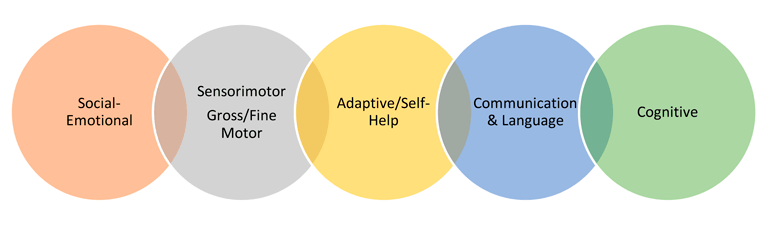
This refers to the assessment of developmental progress in the following areas: cognitive, physical and sensory motor, communication and language, adaptive, and social emotional skills. Information may be obtained from parents, teachers, and other professionals (e.g., speech therapists, occupational therapists, physical therapists). The assessment may include developmental history, observational checklists, and individual standardized assessments.

Functional Behavioral Assessment (FBA)

A problem-solving evaluation, typically conducted by a behavior specialist or school psychologist, designed to determine the underlying cause or function of a specific behavior as well as maintaining consequences. An FBA can be used to determine the best approach for reducing or eliminating undesirable behavior(s) and to increase prosocial desirable behaviors. A PBIS (positive behavioral interventions and supports) plan or BIP (behavior intervention plan) may be developed utilizing the results of the FBA.

Psychoeducational Assessment

Administered by certified licensed school psychologists, licensed psychologists.

Used to analyze the underlying cognitive processes that may influence a child’s educational performance. Children with FXS are often better at simultaneous processing than sequential processing; thus, instruments that assess both types of processing will provide helpful information regarding the student’s strengths and weaknesses. Educational testing is required every three years; however, the educational team may decide that further testing is not required. Using accommodations will enhance the validity of standardized measures by decreasing anxiety and hypersensitivity while simultaneously increasing engagement.[7] Please see the work of Thompson and colleagues (2018) for an in-depth discussion of using accommodations during standardized assessments for children with intellectual disabilities.

Checklist & Strategies

The following checklist and strategies may be useful to consider when planning a child’s educational future.

IEP/IFSP Checklist

Download this checklist.

  • Include developmental, functional, academic, and non-academic goals (if needed). These goals are based on the needs defined in the narrative of the IEP/IFSP.
  • Limit the number of goals (maximum of five is recommended) because too many can be overwhelming for children, parents, and teachers.
  • Use strengths-based language and emphasize the positive, i.e., talk about what the child should do — “use a soft touch” — as opposed to what they should not do — “stop hitting.”
  • Write functional, observable, and measurable goals in plain language (i.e., jargon-free) that focus on age appropriate activities that are generalizable across environments, people, and situations.
  • If an augmentative communication device or assistive technology is provided, indicate that the equipment will be available for home use and that training should be provided for parents.
  • Request that all service providers be present at the IEP meeting. The attendance of a general education teacher is mandated by IDEA (if inclusion services are provided).
  • Include all services on the IEP (e.g., speech therapy 30 minutes per week).
  • Ask for a draft of the reports prior to the meeting.
  • Double-check for inconsistencies within the report.
  • Make sure to document who is responsible for both implementing the interventions, as well as who will be responsible for monitoring the progress.
  • Provide procedural safeguards, as required, to the parents at the time of the staffing.

Developmental and Educational Strategies for Children with FXS

Download this strategies list.

  • Talk, talk, and talk to your child about what is happening during daily routines.
  • Follow the CAR Activity:
    • Follow their lead in play or storybook reading
    • C—Comment on what they are doing/playing
    • A—Ask open ended questions
    • R—Respond by adding a little bit more
    • Wait time—count to yourself up to 10 seconds in between each of these steps
  • Incorporate a holistic or simultaneous learning approach (i.e., use a whole word technique rather than a phonics method).
  • Include visual cues to help children follow the daily routine in the classroom.
  • Teach early math and science concepts using visual and tactile strategies, real object counters, size and shape manipulatives, and concrete examples.
  • Teach early literacy skills through everyday literacy tools such as storybooks, environmental print, writing and drawing utensils, pictures, magazines, and oral story telling.
  • Incorporate high-interest materials into all areas of the curriculum as needed.
  • Use evidence-based interventions within a MTSS framework. These interventions should be based on the phenotypic profile of children with FXS as well as the individual profile of the child. This should include visually based interventions with limited language.
  • Use routines based and relationship-based approach. Meaning that predictable routines and positive interactions between adults and children are imperative for healthy development.
  • Utilize a family-centered approach.
  • Avoid forcing eye contact or using “look at me” prompts.
  • Use more commenting than questioning. Reduce direct questions and utilize a fill-in-the-blank format when possible.
  • Model and teach play skills. Many children with FXS have dyspraxia, making it challenging to ideate, motor plan, and execute actions. This makes the development of play skills difficult.

Books Referenced in this Article

For more sources, see Notes and References.

Special Education Glossary

These are the terms used in this treatment recommendation. In addition, we have a comprehensive glossary of all special education terms that you can consult or print.

ABA — Applied behavioral analysis

ABC chart — Antecedent, behavior, consequence chart

APE Adaptive physical education

ASD — Autism spectrum disorder

AT Assistive technology

BCBA — Board-certified behavior analyst

BOCES — Board of Cooperative Education Services

BIP — Behavior intervention plan

BSP — Behavior support plan

DTT Discrete trial training

EI — Early intervention

ESA — Educational Service Agency

ESY Extended school year

FAPE — Free and appropriate public education

FBA — Functional behavioral assessment

IDEA — Individuals with Disabilities Education Act of 2004

IEP — Individualized education program

IFSP — Individualized family service plan

ITT Intensive table teaching

LEA — Lead education agency

LRE — Least restrictive environment, a continuum of placements considered, beginning with the general education classroom with neuro-typical peers

MTSS — Multi-tiered system of supports

OT — Occupational therapist

Part B — Federal grant to states under IDEA for children aged 3 to 21 years

Part C — Federal grant to states under IDEA for children aged birth to 3 years

PBIS — Positive behavioral interventions & supports

Procedural safeguards — Parental and child rights

PT Physical therapist

RTI — Response to intervention

SLP — Speech-language pathologist

UDL — Universal design for learning
For all children within the early childhood age range of birth to 5 years and especially for young children with identified disabilities associated with a diagnosis, like Fragile X syndrome (FXS), inclusive, nurturing, and developmentally appropriate environments and caregiving are essential to growth and development. The national Division for Early Childhood (DEC) of the Council for Exceptional Children identified eight recommended practices in early intervention and early childhood special education that are salient to young children with FXS and their families [2].

  1. Leadership
  2. Assessment
  3. Environment
  4. Family
  5. Instruction
  6. Interaction
  7. Teaming & Collaboration
  8. Transition

While these recommended practices are equally important, this document focuses on assessment, environment, family, and transition.

Early Intervention

The early intervention (EI) program for families with infants and toddlers (birth to 3 years) with disabilities is Part C of the Individuals with Disabilities Education Act (IDEA) of 2004. The services in this federal law may include occupational therapy, speech-language therapy, and developmental, play, and behavioral interventions. Other services related to feeding, vision, or hearing may also be available. Services may occur within the child’s natural environments, which include the family home, child care program, or community settings (i.e., library, play group, playground). Services may be delivered by a transdisciplinary team, meaning that one primary provider will deliver all the services and then consult or collaborate with other team members with different areas of expertise as needed. The team members release their role to the primary provider so that the family is not inundated with many different providers at different times. The family and other care providers are an integral part of the team as the primary provider works closely with those individuals that spend the most time with the young child. The primary provider works with the family and other care providers to implement the strategies within the child’s daily routines. The primary document for families enrolled in their state’s early intervention program is called the Individualized Family Service Plan (IFSP). This document identifies the child and family’s strengths, needs, and functional outcomes and is reviewed every six months [4].

Also see: What is the Individuals with Disabilities Education Act (IDEA)?

Early Childhood Special Education

Early childhood special education (ECSE) services are for preschool-aged children (3–5 years) with disabilities and implemented by public school systems. This program is Part B (Section 619) of IDEA. These services typically occur in preschool or child care environments with licensed teachers and an interdisciplinary team (e.g., early childhood special education teacher, speech-language pathologist, occupational therapist, school psychologist). The individualized education program (IEP) is the legal document that guides the child’s educational program and services. The IEP is developed by an interdisciplinary team including teachers, parents, and other professionals based on the child’s needs. Constructed on the regulations set forth in IDEA, the plan must be revised annually (parent or school personnel may request an IEP review meeting at any time). Critical components of the IEP include parent involvement, goals, and objectives related to the child’s current development and next steps, and intentional accommodations and modifications. Accommodations are strategies used by the teacher to “level the playing field” for children with disabilities and provide equitable access to the curriculum, meaningful participation, and adequate support. Examples of accommodations may include providing a visual schedule, extra adult or peer support, or breaks for movement [4]. Modifications are changes to the curriculum or expectations for the child, which may include simplification of tasks or altered schedules that are important for the success of children with FXS. [See IEP checklist at the end of this document].

Assessment through Child Find Activities

The heart of the individualized program is a determination of need based on formal (standardized and norm-referenced) and informal (observations, play-based, authentic) assessments. The assessment and individualized plan or program provide the basis for goals, objectives, accommodations, modifications, and subsequent services that are necessary to meet the child and family’s needs and next steps [12, 13].

“Child find” activities are an IDEA requirement to locate and identify children (birth to 21) with disabilities. The screening and assessment processes associated with child find activities are at no cost to families and intended to be responsive to families’ needs and schedules. Some school districts have child find teams that are responsible for identifying and evaluating children birth to 5 years. They have the responsibility to use appropriate assessment methods to identify children and families’ strengths and needs. Child find teams are often transdisciplinary teams that use authentic play-based assessment methods to evaluate the child’s holistic development. Authentic assessment methods include a process to collect information about the child’s development through a variety of methods, including family interviews, direct observation, and facilitated play with the child with familiar toys, materials, caregivers, and during daily routines. Standardized and norm-referenced assessments are also used with young children to determine if they are eligible for early intervention or early childhood special education services.

Assessment

Early Childhood Assessment

Assessments for young children with FXS should be an authentic process that happens over time, with familiar caregivers, in familiar environments (see previous two paragraphs). There are diverse types of assessments that can be used to measure the developmental progress of children in the following developmental domains: cognition, physical & sensory motor, communication-language, and social/emotional. Information may be obtained from a variety of sources, such as parents, teachers, and other professionals (e.g., speech therapists, occupational therapists, physical therapists) to understand the whole child. The assessment may include a developmental history, observational checklists, and specific formal assessment instruments. Some assessments are play based, others may be more formal. The purpose of assessment is to promote children’s learning and development, identify special services, and monitor progress [12].

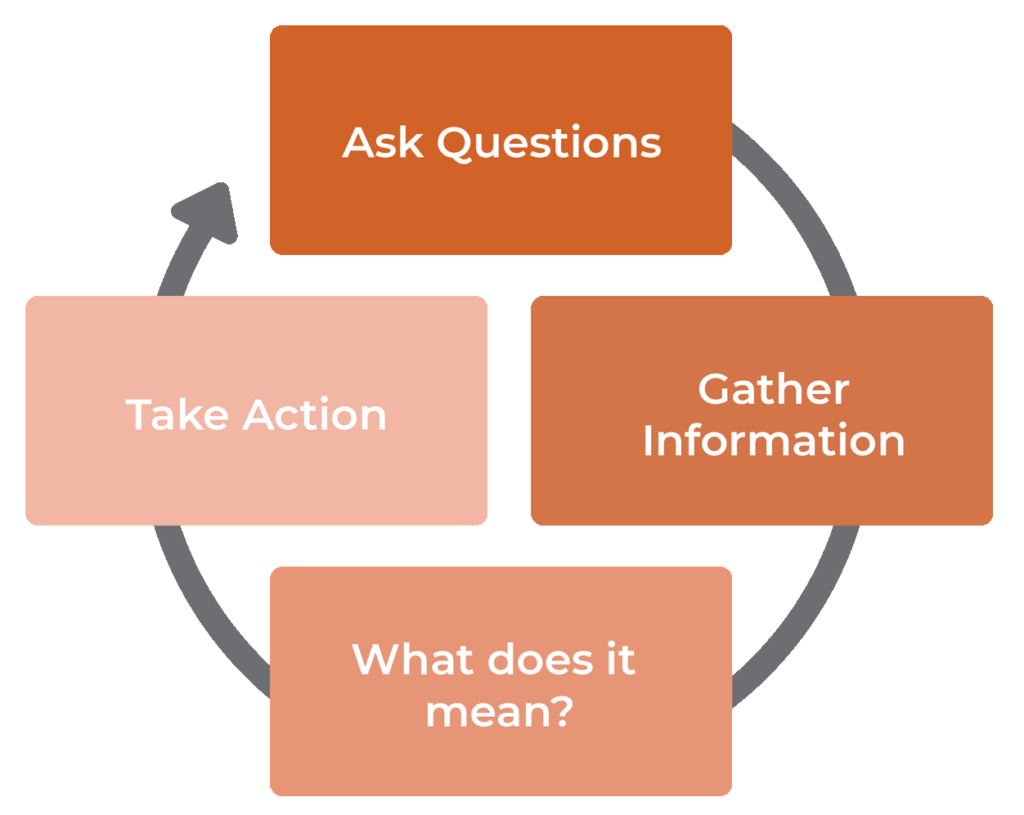
Circular flow starting with Ask Questions, then Gather Information, then What does it mean?, then Take Action.

Types of Assessments

  • Observation: Watching children to know more about their development, learning, and behavior.
  • Assessment: Ongoing process of observing, recording, and documenting a child’s actions, skills, and behaviors.
  • Evaluation: Comparison of information gathered against a standard set of criteria.
  • Interview: Information about how the child performs, strengths and needs as perceived from the parent or a provider can help round out the overall assessment and are sometimes formal interviews as part of Evaluation, or are used to supplement the Observation and Assessment.

Eligibility of Services

To determine the child’s eligibility for services, a multidisciplinary or transdisciplinary evaluation must first be administered by a team that may include speech-language pathologists, audiologists, occupational therapists, physical therapists, psychologists, social workers, and early intervention specialists. The disability category that most children with FXS may qualify for is called Child with a Developmental Delay. This disability category is for young children up to 9 years with a delay in one or more developmental delays. A diagnosis of Fragile X syndrome may enable the child to receive services without an evaluation because FXS is a diagnosis that has been shown through research to be associated with developmental delays and disabilities. Although, the team may want to complete a play-based evaluation to determine the child’s strengths, needs/next steps, likes and dislikes so an individualized and meaningful plan can be developed. Each state may have different criteria for disability categories and families should be aware of their state’s criteria.

Family

Families are an integral part of a child’s development and the active participation of families in decisions related to their children’s assessment, intervention, and ongoing services are crucial. Each family’s culture, customs, and priorities should be met with trusting and respectful partnerships. Parents are considered a child’s first teacher, and therefore are an integral part of each step of the process. The DEC Recommended Practices (2014) identify three themes related to families that include:

  1. Family-Centered Practices: Practices that treat families with dignity and respect are individualized, flexible, and responsive to each family’s unique circumstances; provide family members complete and unbiased information to make informed decisions; and involve family members in acting on choices to strengthen child, parent, and family functioning.
  2. Family Capacity-Building Practices: Practices that include the participatory opportunities and experiences afforded to families to strengthen existing parenting knowledge and skills and promote the development of new parenting abilities that enhance parenting self-efficacy beliefs and practices.
  3. Family and Professional Collaboration: Practices that build relationships between families and professionals who work together to achieve mutually agreed upon outcomes and goals that promote family competencies and support the development of the child.

These practices and themes should be intentional and ongoing.

Environment

Inclusive early childhood environments refer to any natural setting in which children without disabilities play, learn, interact with others, and develop relationships. These environments could be families’ homes, private child care programs, public or private preschools, or family child care homes. Community organizations are also identified as natural environments for all children, which include playgrounds, libraries, play groups, and community centers.

Recently, the U.S. Departments of Education and Health and Human Services released a policy statement about including young children with disabilities in early childhood environments. This policy supports the notion that children with and without disabilities benefit from interacting and playing together.

Inclusion in early childhood programs refers to including children with disabilities in early childhood programs, together with their peers without disabilities; holding high expectations and intentionally promoting participation in all learning and social activities, facilitated by individualized accommodations; and using evidence-based services and supports to foster their development (cognitive, language, communication, physical, behavioral, and social-emotional), friendships with peers, and sense of belonging. This applies to all young children with disabilities, from those with the mildest disabilities, to those with the most significant disabilities.

(U.S. Department of Health & Human Services and the U.S. Department of Education, 2015, p. 3).

Within all early childhood environments, it is important for teachers and families to think about strategies within the physical, social, and temporal environment so that young children with FXS have meaningful access, participation, and support in their environments. Quality inclusive environments start with a universal design for learning that means early childhood environments should be designed and planned for children with the most significant needs first and those accommodations will benefit all children. Research supports inclusion for children with and without disabilities.

Transition

The transition process indicates a change in services and environments for young children with disabilities and can be a very stressful time for families. There are many unknown factors because families have yet to experience this process. There are two transition processes that are relevant to early childhood. The first process is from early intervention (infant-toddler) services to early childhood special education (preschool) services. The primary change of this transition is the shift of focus from the family to the child and the delivery of services within natural environments (i.e., family home) to an educational setting. The second process is from preschool to kindergarten (school-age). The primary change of this transition is from play-based interventions to academic interventions. While these shifts are evident in many programs and communities, it is best practice to continue family-focused and play-based interventions throughout the preschool and early school-age years [4]. The following are some strategies that may help the transition process for children and families.

  1. Visit the new school or program — Play on the playground, walk through the halls (with and without other children), check out the classroom, bathrooms, cafeteria, etc.
  2. Collaborate with providers — Set up a meeting between the sending and receiving programs.
  3. Collaboratively develop a transition plan — The team (i.e., families, teachers, and providers) discusses the child’s current skills, next steps, expectations, health, and safety factors within the new environment.

Early Childhood Intervention & Services

The following is a compilation of interventions, services, and assessments often provided to early childhood (birth to 5 years) children with FXS. This list is simply a guideline and should not be viewed as exhaustive.

You can find more information about each of the listed items below the table.

Developmental & Educational Services Chart—Recommendations—
Intervention & Service ComponentsBirth3 Yrs.3–5 Yrs.
Transdisciplinary TeamRecommendedRecommended
Developmental Intervention
Play, cognitive, literacy, and early education supports
RecommendedRecommended
Psychological Services
Social, emotional & behavioral supports, or Behavioral Intervention Plan
RecommendedRecommended
Speech & Language Therapy
Communication-language, augmentative & pragmatic supports
RecommendedRecommended
Physical Motor Services
Occupational and physical therapy
RecommendedRecommended
Individualized Family Service Plan (IFSP)Every 6 mos.n/a
Health Care PlanAs neededAs needed
Safety PlanAs neededAs needed
TransportationAs neededAs needed
Multi-Tiered System of Supports (MTSS)
Includes Response to Intervention & Positive Behavior Intervention Supports
As appropriateAs needed
Sensory Integration Intervention within Occupational TherapyAs neededAs needed
Social Skills TrainingAs neededAs needed
Early Childhood Assessment RecommendedRecommended
Functional Behavioral AssessmentAs neededAs needed
Applied Behavior Analysis (ABA) TherapyAs neededAs needed
Reviewed annually based on current levels of functional development.

Description of Intervention & Service Components

Transdisciplinary Team Approach

“Transdisciplinary service is defined as the sharing of roles across disciplinary boundaries so that communication, interaction, and cooperation are maximized among team members.” [9] This type of approach is preferable to a single provider approach because young children’s development changes so rapidly and all developmental areas are interrelated. Teams may include:

  • Families
  • Early childhood special education (ECSE) teachers and specialists
  • Speech-language pathologist
  • Occupational therapist
  • Physical therapist
  • School or clinical psychologist
  • Social worker

The make-up of the team depends on the needs of the child. The “primary provider” is one of the professionals who addresses the primary needs of the child. That primary provider is the team lead and provides all the services to the child and family and then consults with the rest of the team on a regular basis. The other team members release their role and support the primary provider so that the child and family only interact with one provider at a time. This approach is beneficial to families because it can be overwhelming to manage multiple services and providers for their children. Using this approach simplifies the services and focuses on the primary needs of the child, while also supporting overall development [14].

Overlapping circles: Social-emotional, sensorimotor gross/fine motor, adaptive/self-help, communication and language, cognitive.

Developmental Intervention

Developmental intervention (i.e., play, cognitive, literacy, early education supports) is typically delivered by an early childhood special education teacher or specialist through a team-based approach in the home or classroom environment. This type of intervention focuses on play skills related to cognitive development to enhance attention, memory, problem-solving, early math, and literacy skills [11]. Various kinds of play may include:

  • Sensory play — water, sand, movement
  • Manipulative play — blocks, Legos, small action figures
  • Dramatic play — dress up, thematic
  • Physical play — ball, running, hopping, climbing, bicycle
  • Storybook reading

Strategies focus on nurturing adult-child interactions within everyday routines, responsive caregiving, face-to-face positioning, and developmentally appropriate activities that capture the child’s attention. The provider works directly with the child and coaches or guides the primary adults that support the child every day within the natural environments, so that skills can be practiced multiple times a day so that generalization occurs across environments, people, and situations.


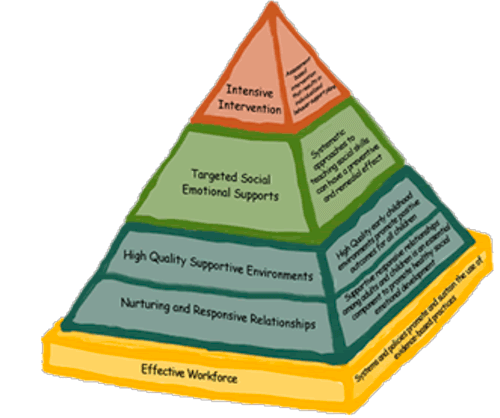
Challenging behaviors pyramid.
A framework of evidence-based practices for supporting young children with challenging behaviors. Source: Center on the Social and Emotional Foundations for Early Learning (CSEFEL).

Psychological Services

Social, emotional, and behavioral supports at a young age require a play-based approach, as mentioned above. Services may be delivered by a school-clinical psychologist or an ECSE through a team-based approach. Providers and families may work on developing skills such as expressing emotions, flexibility in transitions, regulating emotions and behaviors, and interacting with others (Linder, 2008).

  • At times, a behavior intervention plan (BIP) is developed to address specific behaviors that may interfere with the child’s ability to learn. The plan should include specific techniques and strategies and be included in the child’s IEP. A vital component of the BIP is the progress monitoring and crisis intervention. There is an accountability factor built-in so that a BIP does not continue to be implemented if it is ineffective.
  • Social skills training and support may be incorporated into the child’s daily routine through modeling and turn-taking with an adult or through structured peer group play activities. The use of visuals and social stories are effective strategies to help young children with FXS learn to manage their behavior [5].

Speech & Language Therapy

Communication services (language, augmentative & pragmatic supports) are typically delivered by a speech-language pathologist (SLP) through a team-based approach. Providers focus on the child’s ability to understand and use language effectively. The primary strategy for young children with FXS is to talk with them during daily routines by playing games, reading stories, pointing to objects and talking about them, using short phrases, and providing gestures or sign language. Families should encourage all forms of communication, such as vocalizations and gestures. Imitation, modeling, and expanding on the child’s language through every day activities (i.e., meals, toileting, dressing, going out, play, reading) are effective strategies to enhance communication and language [10].

Augmentative Communication

Augmentative communication is an alternative method of communication used for individuals with speech and language disabilities. It may include gestures, communication boards, pictures, symbols, drawings, or the use of an assistive technology device. Pragmatic language support is very important for children with FXS as they may benefit from explicit instruction in social language. For example, they may need assistance with using language for different purposes, adjusting language to meet the needs of the listener or situation, or for following the rules of conversation. Speech therapy may aid in the development of functional communication skills and improve a child’s pragmatic use of language. Improved communication skills may facilitate the building of peer relationships. Sometimes, children with FXS have oral motor delays that affect their ability to produce certain sounds and sequences of sounds. This can interfere with how they say certain sounds and words, referred to as “articulation” or “speech intelligibility” [10].

Physical Motor Services

Physical motor services (i.e., occupational and physical therapy) may include gross (large muscle) and fine (small muscle) motor activities, as well as sensory activities.

  • Occupational Therapy (OT): OT may be recommended to address fine motor-difficulties–related manipulation of small toys or objects that build the strength needed for handwriting and dressing. This may serve to reduce anxiety and frustration related to academic tasks when in school. Activities such as playing with playdough, drawing or scribbling with crayons or makers, stringing beads or putting together Legos, provide young children with FXS opportunities to reach, grasp, release, and refine fine motor skills in functional ways. Occupational therapy may be utilized to address adaptive functioning or self-help skills such as dressing, grooming, or feeding. It may also be used to help determine the need for compensatory tools and strategies (e.g., use of the computer and keyboarding skills) to optimize functioning later in development. Often, the occupational therapist will address sensory processing through observation and interviewing the parents to understand how the child responds to different sensory stimulation. Children with FXS often experience sensory challenges that can interfere with their ability to fully participate and access the early childhood curriculum and learn new skills. Sensory based challenges often are related to poor basic regulation of sleep-wake cycles, feeding and voiding difficulties and the OT can assist in assessment and treatment for these needs. The sensory difficulties are also associated with difficulties with overall behavioral regulation that impacts daily life and learning, so the OT can assist in determining how to best support regulation and coping skills.
  • Physical Therapy (PT): PTs can help students develop leisure time interests and assist children who experience fatigue or mobility issues. Gross motor skills in young children with FXS may be impacted by low muscle tone and alignment of the foot or leg during walking and running. The PT can help determine if orthotics, exercise, or positioning will support the developing child’s body so as they grow they don’t develop ongoing difficulties.
  • Sensory Integration-Processing Intervention: Sensory integration-processing therapy intervention is most often offered within the licensed oversight of an occupational therapist and may reduce the behavioral symptoms of children that experience hypersensitivity to light, touch, sound, and movement. Sensory difficulties reduce access to learning and access to typical experiences that promote development, so are essential elements to be addressed for young children with FXS. The sensory issues may also be addressed through environmental support at home or school (e.g., adjusting lighting in the classroom, reducing noise level). Occupational therapists can help create overall treatment plans that include environmental supports, interactional supports as well as the direct therapy to remediate the sensory processing difficulties. The OT can also provide sensory supports to proactively help the child to cope and access their world. Such programming should be consistent across home and school environments as well as across the overall intervention plans of the entire team.

Multi-Tiered System of Supports (MTSS)

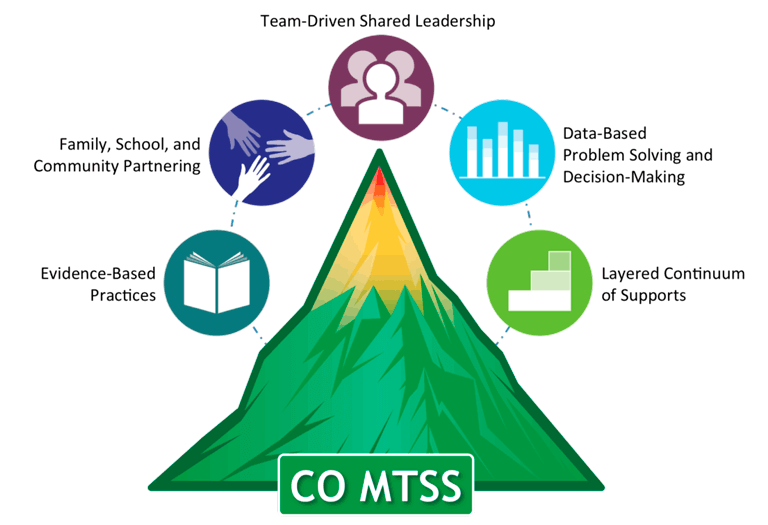
Multi-tiered system of supports (includes response to intervention & positive behavior intervention supports) is one of the most significant shifts in education policy of the past several decades is the implementation of RtI, or response to intervention. The reauthorization of IDEA allows educators to use responsiveness-to-intervention (RTI) as a substitute for, or supplement to, IQ achievement discrepancy to identify students with learning disabilities (LD) [7]. MTSS is a framework that evolved out of the RtI and Positive Behavioral Interventions and Supports (PBIS) frameworks that addresses the academic and behavioral needs of students through tiered interventions. The Colorado Department of Education defines MTSS as “A Multi-Tiered System of Supports is a whole-school, prevention-based framework for improving learning outcomes for every student through a layered continuum of evidence-based practices” [2]. The belief is that children who are struggling academically may also have some behavioral challenges and conversely, children who have behavioral challenges may also have difficulty learning. Although, males with FXS typically do not qualify for services via a Specific Learning Disability category, this law is very important for females with FXS. Now, the law does not require children to fail prior to receiving intervention(s) to support their learning. MTSS is applied in a variety of forms across the country. Although initially developed as a solution for assessment and diagnosis issues, it also has intervention and behavioral applications. The use of a tiered approach to academic interventions coupled with the significant data collection requirements of this approach are a benefit for children with FXS and should be explored even when an IEP is in place.

Illustration of the primary components of MTSS.

Related Services

Related services are identified by the special education team and found to be necessary for students with disabilities to access their educational curriculum and placement.

  • Safety Plan: This is a plan written for staff to follow in times of emergency such as weather-related disasters, school fires, and acts of violence. Each staff member is directed by this plan to use procedures to evacuate as quickly as possible individuals who are non-ambulatory, nonverbal, hearing or vision impaired, and/or emotionally stressed by the process.
  • Health Care Plan: This plan is usually developed by the school nurse who uses medical information provided by outside medical providers. Typically, the health care plan includes medication names, dosages, and side effects. In addition, treatment strategies for specific medical conditions are listed, such as how to deal with a seizure, blood disorders, serious allergies, and use of EpiPen.
  • Transportation: IDEA requires that the schools provide transportation from door to school, with specialized equipment as needed, for children receiving special education.

Functional Behavioral Assessment (FBA)

An FBA is a problem-solving process, typically conducted by a behavior specialist or school psychologist, designed to determine the underlying cause or function of a specific behavior to determine the best approach for reducing or eliminating the undesired behavior(s). Functions of behavior may include attention or avoidance. During an FBA, professionals should provide direct observation and collect data that may be utilized to complete an ABC chart, which stands for Antecedent, Behavior, and Consequence. Meaning, what happens before (antecedent), during (behavior), and after (consequence). This process will help determine the function or motivation for behavior of the child and the maintaining consequences [5].

Applied Behavior Analysis (ABA) Therapy

ABA is not a specific program but rather a behavioral framework from which specific therapeutic interventions (e.g., Lovaas therapy, verbal behavior, discrete trial, etc.) have been developed. As such, there may be wide variability from one ABA program to another. It is important to keep in mind that systematic instruction, careful ongoing assessment, positive reinforcement, and attention to the ABCs (antecedents, behaviors, and consequences) of behavior are essential aspects of any successful therapeutic program, regardless of whether or not it is designated as “ABA.”

Decisions about the appropriateness of ABA services for a child with FXS should be made after careful evaluation of the individual. Discrete trial training (DTT) and intensive table teaching (ITT) procedures may need to be less direct and may include another student to utilize peer modeling or turn-taking. Staff working with these students should continue to glean ideas and potential strategies from well-established programs while keeping in mind the syndrome-specific characteristics associated with FXS.

One model based on applied behavior analysis that has received much attention due to positive outcomes is the Early Start Denver Model (ESDM), which is an “early intensive and naturalistic developmental behavioral intervention designed specifically for young children 12 to 60 months with or at risk for ASD” [1]. ABA therapists focus the interventions on the individual needs of the child that may include verbal communication, joint attention (or shared focus between two individuals on an object), and meaningful social interactions with peers and family members. In a recent study, the ESDM was used with parents of young children with FXS [16] and determined that it is a potentially positive model for parent coaching to improve behavior and skills of their children with FXS.

Special Education Glossary

These are the terms used in this treatment recommendation. In addition, we have a comprehensive glossary of all special education terms that you can consult or print.

ABA — Applied behavioral analysis

ABC chart — Antecedent, behavior, consequence chart

ASD — Autism spectrum disorder

BCBA — Board-certified behavior analyst

BOCES — Board of Cooperative Education Services

BSP — Behavior support plan

EI — Early intervention

FAPE — Free and appropriate public education

FBA — Functional behavioral assessment

IDEA — Individuals with Disabilities Education Act of 2004

IEP — Individualized education program

IFSP — Individualized family service plan

LEA — Lead education agency

LRE — Least restrictive environment, a continuum of placements considered, beginning with the general education classroom with neuro-typical peers

MTSS — Multi-tiered system of supports

Part B — Federal grant to states under IDEA for children aged 3 to 21 years

Part C — Federal grant to states under IDEA for children aged birth to 3 years

PBIS — Positive behavioral interventions & supports

Procedural safeguards — Parental and child rights

RTI — Response to intervention

UDL — Universal design for learning
Checklist & Strategies

The following may be useful to consider when planning the educational future for the child.

IEP/IFSP Checklist

Download this checklist.

  • Include developmental, functional, academic, and non-academic goals (if needed). These goals are based on the needs defined in the narrative of the IEP/IFSP.
  • Limit the number of goals (maximum of five is recommended) because too many can be overwhelming for children, parents, and teachers.
  • Use strengths-based language and emphasize the positive, i.e., talk about what the child should do — “use a soft touch” — as opposed to what they should not do — “stop hitting.”
  • Write functional, observable, and measurable goals in plain language (i.e., jargon-free) that focus on age appropriate activities that are generalizable across environments, people, and situations.
  • If an augmentative communication device or assistive technology is provided, indicate that the equipment will be available for home use and that training should be provided for parents.
  • Request that all service providers be present at the IEP meeting. The attendance of a general education teacher is mandated by IDEA (if inclusion services are provided).
  • Include all services on the IEP (e.g., speech therapy 30 minutes per week).
  • Ask for a draft of the reports prior to the meeting.
  • Double-check for inconsistencies within the report.
  • Make sure to document who is responsible for both implementing the interventions, as well as who will be responsible for monitoring the progress.
  • Provide procedural safeguards, as required, to the parents at the time of the staffing.

Developmental and Educational Strategies for Children with FXS

Download this strategies list.

  • Talk, talk, and talk to your child about what is happening during daily routines.
  • Follow the CAR Activity:
    • Follow their lead in play or storybook reading
    • C—Comment on what they are doing/playing
    • A—Ask open ended questions
    • R—Respond by adding a little bit more
    • Wait time—count to yourself up to 10 seconds in between each of these steps
  • Incorporate a holistic or simultaneous learning approach (i.e., use a whole word technique rather than a phonics method).
  • Include visual cues to help children follow the daily routine in the classroom.
  • Teach early math and science concepts using visual and tactile strategies, real object counters, size and shape manipulatives, and concrete examples.
  • Teach early literacy skills through everyday literacy tools such as storybooks, environmental print, writing and drawing utensils, pictures, magazines, and oral story telling.
  • Incorporate high-interest materials into all areas of the curriculum as needed.
  • Use evidence-based interventions within a MTSS framework. These interventions should be based on the phenotypic profile of children with FXS as well as the individual profile of the child. This should include visually based interventions with limited language.
  • Use routines based and relationship-based approach. Meaning that predictable routines and positive interactions between adults and children are imperative for healthy development.
  • Utilize a family-centered approach.
  • Avoid forcing eye contact or using “look at me” prompts.
  • Use more commenting than questioning. Reduce direct questions and utilize a fill-in-the-blank format when possible.
  • Model and teach play skills. Many children with FXS have dyspraxia, making it challenging to ideate, motor plan, and execute actions. This makes the development of play skills difficult.

Books referenced in this article (also see Notes and References):

Introduction

The transition into middle school or high school serves as an exciting time for many families but is often accompanied by some stress and anxiety that may reignite the grieving process. This is especially difficult for some families as many cultural milestones occur within this time frame. For individuals with Fragile X syndrome (FXS), the adolescent and early adult activities of driving, dating, and exploring post-secondary opportunities may look very different than for their neurotypical peers. Within the educational setting, this divergence is also evident as the focus often moves from the academic to the vocational. The following provides information regarding legal educational policies and guidelines as well as promising practices for academic, vocational, and independent living progress.

Special Education Glossary

These are the terms used in this treatment recommendation. In addition, we have a comprehensive glossary of all special education terms that you can consult or print.

  • AAC — Augmentative and alternative communication
  • BIP — Behavior intervention plan
  • CTP — Comprehensive transition program
  • DMV — Department of Motor Vehicles
  • DVR — Division of Vocational Rehabilitation
  • FBA — Functional behavior assessment
  • HEOA — Higher Education Opportunity Act
  • IDEA — Individuals with Disabilities Education Act
  • IHP — Individualized health care plan
  • IEP — Individualized education program
  • ITP — Individual transition plan
  • MTSS — Multi-tiered systems of support
  • OT — Occupational therapy
  • PE — Physical education
  • RTI — Response to intervention
  • SLD — Specific learning disability
  • SLP — Speech and language pathologist
  • SSI — Social Security Income
  • SSI-E — SSI-Exceptional Expense Supplement
  • WES — Work experience studies
  • WIOA — Workforce Innovation and Opportunity Act

Middle School

Given that elementary school supports the basic building blocks of learning, middle school teachers can focus on helping students with FXS achieve greater clarity and precision in oral and social communication. Encouraging the student to express themself independently (without fill-in assistance from peers or the teacher) helps foster confidence and appropriate risk-taking in social settings.

In cases where the child is non-verbal or very low functioning they should be encouraged to use alternative forms of communication including but not limited to sign language and augmentative systems. All academic instruction should reflect a practical, functional base, equipping students with tools they can call upon in their interactions with the larger world.

These functional modalities range from consumer math skills to following written instructions for tests. Questions regarding inclusion in regular classroom settings should consider the invaluable social skills gained there, as well as each student’s unique — and often highly motivated — interest in a particular subject area such as science, history and music. Depending on the students’ individual needs, many benefit from accommodations and modifications to assignments to account for learning styles and cognitive areas of improvement. Socially, it is important to foster relationships that will develop into friendships at this age. These friendships will provide good transition into high school and beyond.

High School

As the student moves into high school, the curricular focus shifts to more practical concerns of employability, social adaptability, and, ultimately, the capacity of the student with FXS to achieve self-satisfaction. Academic goals change from acquiring skills to learning how to apply them in the larger world. Central to this community-based instructional emphasis are lessons on self-help, recreation, exercise, medication management, accessing public transportation, and other facets of daily living. Job experiences are particularly invaluable for developing virtually every skill needed for post-secondary success, including social and emotional maturity and the confidence that accompanies it. Whenever possible, school programs should provide a rotation of job placements, so interest and competence levels can be assessed. Work experience studies (WES) can provide academic credit while the student gets to practice appropriate work behaviors.

When the student turns 16, the emphasis shifts to the transition between school and independent adult living. It is important to note that this shift occurs at 14 in some districts across the country. A transition plan becomes a required part of the individualized education program (IEP) through age 21. Transition programs are provided in high schools for those with FXS and other disabilities aged 18 to 21. Transition services under the Reauthorization of the Individuals with Disabilities Education Act (IDEA; 2004) addresses skills necessary to be successful in moving from the school into communities, colleges, and careers. The student, based on his strengths, interests, and preferences, can focus on goals related to post-secondary education, vocational education, supported employment, independent living, day programs, and other forms of community participation.

Post-Secondary

Following high school, the majority of individuals have two options: engage in the work force at the appropriate level or pursue a post-secondary academic experience. The appropriateness of these opportunities should have been discussed as a part of the transition planning process discussed above. Limited post-secondary educational opportunities are available for individuals with FXS nationally, with federal support from the Higher Education Opportunity Act (HEOA; 2008). If the individual does not choose a post-secondary academic option after graduation or upon earning a certificate of attendance from high school, the person with FXS enters a new stage in personal development. Although resources from public schools are no longer available after age 21, if the transition has been properly provided, the person with FXS can be supported in a work setting and services are funded through a regional center in many states, as outlined by the Workforce Innovation and Opportunity Act (WIOA; 2013). Successful employment may require reduced hours, opportunities to take breaks, and social interaction with other workers. Successful employment placements for some FXS adults might include: grocery stores, food preparation, janitorial work, landscaping, animal care, child care, and working in skilled nursing facilities.

It is also important to note that not all males are able to engage in these two options and as a result will need different types of supports. For these individuals the transition should have included a plan for activities that include meaningful activities that include being a part of the community, but may not be academic or vocational in nature.  These activities may be more recreational and social in nature.  These activities could include things like swimming, horseback riding, bowling, and going out to eat. Leaving the individual’s place of residence on a regular basis is important to decrease the likelihood of a compressed social world after formal education options have been completed. This is also important as a protective factor against agoraphobia which does occur in some males as they age.

Description of Service Components

In alphabetical order:

Physical Education (PE)/Recreation: Physical therapists and adaptive PE instructors can help students develop leisure time interests and assist students who experience fatigue or mobility issues. Adaptive options may be necessary for some individuals.

Behavior Intervention Plan (BIP): This individualized plan is designed to address a behavior or set of behaviors that interfere with the student’s ability to learn and participate in the school setting. It is based on the results of the functional behavior assessment (FBA). The plan should include positive behavior supports and specific interventions that will be utilized by school personnel. These should be included in the IEP. These techniques and strategies should be evidence-based and monitored by appropriately trained personnel. The BIP, along with the IEP, can also serve as protective documents in case of a manifestation determination review.

Communication-Language: Speech and language pathologists (SLPs) can help students improve both receptive and expressive language through targeted interventions. Augmentative and alternative communication (AAC) includes all forms of communication outside of oral speech. AAC methods used for individuals with speech and language disabilities may include gestures, communication boards, pictures and symbols, or the use of an assistive technology device. Pragmatic (social) language interventions may be beneficial for children with FXS. For example, they may need assistance with using language for different purposes, adjusting language to meet the needs of the listener or situation, or following the rules of conversation.

Evacuation Plan: This is a plan written for staff to follow in times of emergency such as weather related disasters, school fires, and acts of violence. Each staff member is directed by this plan to use procedures to evacuate as quickly as possible individuals who are non-ambulatory, nonverbal, hearing and vision impaired, or emotionally stressed by the process. This plan should be developed in conjunction with the parents or caregivers and with the appropriate local authorities when possible.

Individualized Education Program (IEP): This is a written, legal document listing the special educational services designed to meet the student’s individual needs. The IEP is developed by a team that includes the student, the parents or caregivers, and school staff (e.g., special education teacher, general education teacher, SLPs, school psychologists). An IEP is based on a psycho-education evaluation conducted by the school team generating a body of evidence to formulate annual goals, accommodations, modifications, supplementary aids, and related services. One important component of the IEP is the impact of disability. This allows for the service providers and parents to describe FXS and how the neurobiology impacts a number of learning and behavioral issues described in the educational strategies section. It provides the foundation for the needs and accommodations of the student and helps guide the IEP and possibly the BIP.

Individualized Health Care Plan (IHP): This plan should combine all of the student’s healthcare needs into one document for health management in the school setting. It is developed by the registered school nurse using comprehensive data, including medical information provided by outside medical providers. The nurse will also interview parents regarding medical status and update records accordingly. Whenever possible, the parent should ascertain a comprehensive medical evaluation to be performed by a pediatrician experienced with children with developmental disabilities, specifically FXS. Typically, the IHP includes medication names, dosages and side effects. In addition, treatment strategies for specific medical conditions are listed such as how to deal with a seizure, blood disorders, serious allergies or use of EpiPen. A health summary should be provided, which consolidates medical records, immunizations, and findings of the health plans (e.g., seizure activity or specific care for any medically fragile student, medication dosage and side effects).

Individual Transition Plan (ITP): An emphasis on transition issues is formalized through a mandated transition plan by age 16.[1] Interest inventories, adaptive behaviors, community access, living options, leisure skills, and vocational and post-secondary education skills and placements form the foundation of this plan. The transition plan, like IEPs, must be strengths focused (taking into account the student’s interests and preferences) and outcomes orientated. Specific goals and objectives outlining skills, interventions, and persons responsible for monitoring progress and attainment should be explicitly outlined. Accommodations and modifications necessary for independent living, vocational placement, and post-secondary education participation must be considered.

Job Coaching: Job coaching can be provided to the student as they enter the world of work. In addition to vocational instruction and career assessment, coaches may provide support around issues relating to the student’s disability such as need for self-regulation, environmental accommodations or modifications, and communication. Job coaches may be provided by the school district to serve as liaisons between the school and the workplace.

Multi-Tiered Systems of Support (MTSS): This is an evidence-based framework for effectively integrating multiple systems and services to simultaneously address students’ academic achievement, behavior functioning, and social-emotional well-being. MTSS allows for varying levels of support, instructional and behavioral screenings, progress-monitoring of instructional strategies, and data-driven decision making. The use of a tiered approach to academic and behavioral interventions coupled with significant data collection requirements is beneficial for children with FXS and should be explored even when an IEP is in place. Encompassed within MTSS is response to intervention (RTI). RTI is used to determine eligibility for a specific learning disability (SLD). With the reauthorization of IDEA (2004), or Public Law 108-446, educators must now use RTI as a key indicator for SLD eligibility. Although males with FXS typically do not qualify for services via an SLD diagnosis, this change is very important for females. First, RTI allows children to receive interventions to support their learning when there is a suspicion of academic difficulties. Second, children no longer need to demonstrate an IQ-achievement discrepancy gap to qualify for SLD services. RTI has implications for assessment and diagnosis issues and intervention and behavioral applications.

Occupational Therapy (OT): This therapy may be recommended to address fine motor, handwriting, and self-help difficulties. This may serve to reduce anxiety and frustration related to academic and vocational tasks. OT may be utilized to address adaptive functioning or self-help skills such as dressing, grooming, or feeding. It may also be used to help determine the need for compensatory tools (e.g., use of the computer and keyboarding skills) to optimize functioning. Occupational therapy also supports self-regulation, to include coping skills to support academic and social participation.

Sensory Processing: Occupational therapy may include sensory integrative and sensory processing approaches that may help address or reduce behavioral symptoms of children that experience hypersensitivity to a number of environmental stimuli. Sensory integrative interventions are often used to reduce hyperarousal and manage the biological antecedents to behavior, and are most typically paired to self-regulation strategies.  Many students with FXS have hypersensitivity to smells, tastes, textures and sounds. Anecdotal observations have indicated that sensory processing issues often make it difficult for children with FXS to participate in large group activities, eat certain foods, and tolerate certain clothing. Sensory processing issues may also be addressed through environmental accommodations in the school environment (e.g., adjusting the lighting in classrooms, reducing noise level, taking breaks, using fidgets).

Sexuality and Personal Safety: Sexual/Human Growth and Development instruction includes discussion of public and private behavior, nonverbal behaviors (e.g., staring, touching, personal space), issues around sexual maturation and safety (e.g., consent, sexually transmitted infections), and social behaviors (e.g., initiating and extending conversations, flirting). Such instruction increases the rate of successful integration in college, work and social settings. Classes on these topics are often offered by local ARC organizations, local universities, and law enforcement organizations.

Social Skills Training: This training supports topics around social, communication, and nonverbal skills. Instruction may include modeling behaviors, repeated practice (e.g., turn-taking with an adult), or structured peer group activities (e.g., lunch buddies). Young adults and adults may benefit from discussions and role playing related to dealing with situations involving substances (e.g., drugs, alcohol) and relationships (e.g., platonic, sexual). In addition to improving social skills for improved social participation, it is critical to support social skills that include self-advocacy and limit setting to ensure reduced social vulnerability. Social skills require interdisciplinary supports.

Speech-Language Therapy: This therapy may aid in the development of functional communication skills and improve a child’s pragmatic use of language, as well as articulation. Continued speech/language therapy in middle and high school is important to improve ongoing communication skills that facilitate the building of peer relationships and functional communication for employment.

Transition Program: This stage of the educational process begins at age 18 after high school programming has been completed. These programs include more of a college and career readiness focus — skills related to vocational training, daily living experiences, and independent travel are emphasized. The focus is no longer academic content, but real life context and experiences.

Transportation: IDEA (2004) requires that schools provide transportation from door to school, with specialized equipment as needed, for children in special education.

Description of Assessments

In alphabetical order:

Adaptive Behavior Assessment
Administered by licensed or certified service providers
A determination of specific aspects of functioning that includes, but is not limited to: communication, activities of daily living (e.g., community use, home living, health and safety, leisure, self-care), self-direction, social, work, and motor skills. Information is gathered from parents, caregivers, teachers, and the individual, as appropriate.

Educational Assessment
Administered by special education or general education teachers; related service providers
An informal assessment that may include an observation of the child in classrooms, job sites, community settings, work study programs, and the greater school community. Interviews with parents, teachers, employers, job coaches, and private providers might also be included in the informal assessment. A review of the child’s academic history (e.g., work samples, school records, and school evaluations) can be part of this process. A formal administration of individual standardized tests of academic abilities and functioning may be provided by the school psychologist (see below) or trained special educator. A written or verbal report summarizing the findings with recommendations for programming strategies, further intervention, or for referral is shared by the teacher with the staffing team.

Functional Behavioral Assessment (FBA)
Administered by related service providers
A problem-solving evaluation, typically conducted by personnel trained in behavioral practices (e.g., behavioral specialist, school psychologist), designed to determine the underlying cause (function) of a specific behavior to determine the best approach for reducing or eliminating the undesired behavior(s).

Occupational Therapy (OT) Assessment
Administered by licensed occupational therapists
An assessment to help determine the need for skill development or compensatory tools and strategies (e.g., use of the computer and keyboarding skills) to assist with daily living functioning. This assessment may also determine what settings are optimal and what alterations can be made in the environment to achieve the best performance by the child. The PT evaluation can help plan an adaptive PE program.

Psychoeducational Evaluation
Administered by certified and licensed school psychologists, licensed psychologists
An evaluation process utilized to ascertain the underlying cognitive and academic processes that might influence the child’s educational performance. The evaluation must include more than cognitive testing (which may not be needed). For example, the school psychologist or psychologist may conduct functional behavior assessments, administer achievement tests, analyze adaptive behavior scales, interpret behavioral assessments such as checklists for ADHD, autism, and mood disorders (e.g., anxiety, depression), and initiate interviews with the parent, teacher, and student. They may review school, clinical, medical, and other private records. The evaluation must consider diversity factors. For example, as children with FXS are often better at simultaneous processing than sequential processing, instruments which assess both will provide helpful information regarding the student’s strengths and weaknesses. Social-emotional checklists are completed by teachers and parents or caregivers who have knowledge of the child’s skills in various environments. Formal educational testing, which is a part of the psychoeducational evaluation, is typically recommended every three years; however, the educational team may decide to waive further psychoeducational testing if they feel such assessments are not required.

Speech-Language Assessment
Administered by licensed speech & language pathologists
An assessment typically focused on all domains of language (e.g., phonology, syntax, semantics, pragmatics, and receptive and expressive language), as well as oral motor skills and hearing. Some areas may need further assessment and might involve more in-depth testing. For example, speech intelligibility may include an assessment of individual sounds, phonological processes, and measures of prosody (e.g., intonation, stress pattern, loudness variations, pausing, and rhythm).

Vocational Assessment
Administered by special education teachers; related service providers
A determination, in collaboration with the student, whereby appropriate placement and training for adult work can be arranged that aligns the student’s aspirations with their capabilities. Vocational assessments should include in vivo exposure to a variety of work environments, job coaching, and natural supports. When there is a social component, it usually increases engagement and motivation.

High School Specific Considerations

All of the previous educational considerations listed above are also applicable for high school students. In light of the student’s life task at this age, which is to become increasingly independent as they move toward young adulthood, educational considerations have significant importance as they relate to post-school opportunities (e.g., employment, higher education) and their social life (e.g., independent living, relationship changes). Parents and school staff should be attuned to a student’s needs for supportive counseling as they face increased challenges during the high school years: desiring more freedom and independence; wanting to drive and engage in certain activities their parents might not feel they are ready for; drugs and alcohol issues; and dating and sexuality.

This educational change for high school students is supported by the IDEA mandated transition plan. As a reminder, the transition plan is aimed at assisting the student move forward into adulthood. It may include goals related to academic instruction, related services (e.g., speech therapy, occupational therapy, physical therapy), community experiences, the development of employment and other post-school adult living skills, or or acquisition of daily living skills.[1] Prior to initiating the transition plan, special focus on graduation requirements and selection of diploma track (e.g., standard diploma, certification of completion) should be discussed. This will dictate the nature of the goals included in the transition plan.

Though IDEA specifies that transition planning begins at age 16, it is prudent that this process begin earlier (e.g., age 14). This is a time when the student, family, and those involved with the student at school can discuss how much of the educational focus should be on academic skills versus functional living skills. For example, if the primary goal is employment after high school, vocational assessment and planning, and community job placements will be an important aspect of the student’s high school experience. If post-secondary education appears to be an option, it is important early on in the student’s high school career to explore institutional resources and ensure that the student will have attained the appropriate pre-requisite skills and requirements for available programs.

Transition Strategies

Also see 8 Tips on Transitioning Your Child to Adult Services

Transition Guidelines and Worksheet

This is also available as a printable download.

AGE 14:

  • Discuss future educational, recreational, and vocational goals based on the child’s interests and skills.
  • Hold IEP meeting with school to discuss transition issues and include transition-related goals in the most recent IEP; most children with FXS will remain in the school system through age 21.
  • Address social, sexuality, and safety issues in a developmentally appropriate manner; ask the school to focus on functional academics (e.g., budgeting, reading), vocational training, and skills of daily living.
  • Start considering estate planning and special needs trust to help the child continue government entitlements and programs in adulthood.
  • Begin formal transition planning with the development of an individual transition plan (ITP); the ITP will formulate a long-term plan focused on graduation from school.

AGE 16:

  • Continue to develop daily living, vocational, and functional academic skills.
  • Identify and foster community-based employment and volunteer opportunities by job shadowing, integrated/supported employment, internships, and volunteering and doing odd jobs/household chores.
  • Develop a network of committed adults who will take responsibility for certain aspects of planning for the child’s future (e.g., family friends, relatives, and school staff).

AGE 17:

  • Address guardianship issues, power of attorney, power of financial attorney, and medical directives prior to the child’s 18th birthday, as they become an adult at the age of 18.
  • Check for eligibility with your region’s Aging and Disability Resource Center.

AGE 18:

  • Apply for Social Security Income (SSI), Medical Assistance, and SSI-Exceptional Expense Supplement (SSI-E) are government programs for those considered disabled; applications are made through your Social Security office.
  • Consider transitioning medical care to adult providers; ask the child’s physician to contact the new physician.
  • Register to vote; males must register for selective service; obtain an identification card through the state department of motor vehicles (DMV).

AGE 19:

  • A referral to the Division of Vocational Rehabilitation (DVR) should be made at least 18 months before graduation; DVR will help in vocational training, job training and support. The Workforce Innovation and Opportunity Act (WIOA) One-Stop Centers can also provide additional assistance to job seekers.
  • Assist with learning how to use public transportation.
  • Visit ThinkCollege.net for information about comprehensive transition programs (CTPs), federal aid, and the benefits afforded by the Higher Education Opportunity Act (HEOA) if post-secondary education is a consideration.

Online resources

    1. U.S. Department of Education
    2. WrightsLaw
    3. BACB: Find a Local Behavior Analyst
    4. American Speech-Language-Hearing Association
    5. ARC: Find Your Local ARC
    6. American Occupational Therapy Association
    7. American Physical Therapy Association


Introduction

The relationship between the family and the school is central to the educational success of the child with Fragile X syndrome (FXS). This relationship will last for years and will span the formative years of the child’s life. As such it is very important for all involved to understand the legal aspects as well as some of the nuanced practices for successfully navigating this complex system. It is important to note that in the majority of cases the system works well and both the child and their family are appropriately served. Unfortunately, however, there are cases in which additional resources and legal interventions are required in order to ensure that the child’s needs are being met.

The following provides a basic framework for understanding different aspects of the educational system and an overview of the terminology.

Education is filled with acronyms and as such this can serve as a resource for those outside the field. It is also important to note that practices and approaches differ depending on the state in which the child resides. Some states utilize a local control approach, which means that each district or BOCES (Boards of Cooperative Educational Services, pronounced: bo-sees) is allowed to make their own policies and interpretations of federal law. As such there can be quite a bit of variability in approach from one state to another and from one school to another.

The information in this document is based on federal law, specifically the Individuals with Disabilities Education Act of 2004 (IDEA) which provides for a free, appropriate, individualized education in the least restrictive environment, for children birth through age 21 (or older if they are still attending high school). Least restrictive means that the child spends as much time with their typically developing peers as possible while meeting their goals.

For individuals with Fragile X syndrome, a variety of services and programs are available. This recommendation provides an overview of the regulatory aspects of the process as well as intervention suggestions and strategies.

Response to Intervention

One of the most significant shifts in education policy in the past several decades has been the implementation of response to intervention or RTI. The reauthorization of IDEA (P.L. 108-446) allows educators to use the child’s responsiveness-to-intervention as a substitute for the IQ-achievement discrepancy to identify students with specific learning disabilities (also known as SLD).[3]

Although males with FXS typically do not qualify for special education with a diagnosis of specific learning disabilities, this law is very important for females. This law does not require children to fail prior to receiving support in school. Rather, students are provided with targeted interventions to address academic and behavioral needs. The student’s response to these interventions is monitored closely over time.

If the student fails to respond to the interventions, teachers and related support personnel are charged to provide more frequent or intense interventions as necessary. This may include special education services with an educational diagnosis of specific learning disabilities. RTI is applied in a variety of forms across the country. Although initially developed for assessment and diagnostic purposes, RTI has intervention and behavioral applications for all students. The use of a tiered approach requires significant data collection and can allow for the creation and implementation of effective interventions for children with FXS.

Since its inception in 2004, the application of RTI has broadened across the country and now is primarily used in a holistic manner and is broadly termed a Multi-Tiered System of Support or MTSS.

Multi-Tiered System of Supports

The Colorado Department of Education defines Multi-Tiered System of Supports (MTSS) as “a whole-school, prevention-based framework for improving learning outcomes for every student through a layered continuum of evidence-based practices.”[2] Most states and schools in the United States have adopted a multi-tiered model of service delivery. MTSS uses a three-tiered model to provide differentiated support to best meet the individual needs of each child. Tier 1 services provide universal support to all students within schools. Tier 2 services target groups of students who require additional support to meet grade-level expectations. Finally, Tier 3 services provide the most individualized support to students with the highest support needs. The goal of MTSS is to optimize school outcomes for all students with a layered approach to support.[7] Students with FXS may receive services at all three levels of MTSS. It also features structures for educational and behavioral challenges including but not limited to positive behavioral supports.

Illustration of the primary components of MTSS.
An illustration of the primary components of MTSS.

Current applications of this tiered approach often immediately place children with genetic disorders in tier three at the top of the RTI pyramid, and in some cases outside of the system. Although this practice is theoretically correct as these children qualify for services, it limits the utility of the approach. Unilaterally placing any student at the top of the pyramid due to their diagnosis operationally assumes that they are unable to benefit from the interventions and approaches afforded to other students in Tier 1 or Tier 2. This concept is pivotal to effective inclusion practices. Inclusive practices, for preschoolers as well as their school-age peers, extol the benefit of best practices for children with special needs. As a result, it is important for children with FXS to be included in the RTI process whenever possible. This serves many purposes: it operationalizes the idea that children with FXS can and do benefit from universal practices, it provides a structure for them to engage in Tier 2 practices that might not otherwise be considered for these children, and it provides the progress monitoring structure necessary to document effective educational interventions.

Inclusion

The momentum to include students with FXS in the general education mainstream grew out of IDEA. The assertion that children with disabilities had a civil right to attend school in their home school setting grew out of the Civil Rights Movement litigation. The emphasis to include students with FXS in general education classrooms has been noted throughout the literature. Perhaps the impetus for this movement comes from the fact that children with FXS have a considerable interest in people. One of the hallmarks of this population is a strong desire to interact socially, which makes inclusion more viable and increases the success rate.

It is important to remember, however, that placement options must include enough flexibility to meet individual needs. There are occasions when inclusion can be restrictive to children with severe needs. Successful inclusion cannot be accomplished without a systematic, sequential process. Simply placing the student with FXS in a general education classroom without adequate support systems does not necessarily constitute success. These supports include but are not limited to paraprofessional support, differentiated tasks, and thoughtful and clear behavioral expectations.

Students with FXS may require different levels of inclusion over the course of their academic experience. In addition, the outcome for each grade level may change as the goals for the individual evolve. For example, during the early elementary years, the goal of inclusion may be to engage in classroom routines, participate in social activities, and engage in academic tasks.

During middle school and high school, the student may have inclusion opportunities through school-based clubs, social skills, vocational experiences, and extracurricular activities with the goal centering on social engagement and long-term vocational success.[1]

The Individualized Education Plan

Special education services are provided as a part of  IDEA. These services typically occur in school environments with licensed teachers and an interdisciplinary team (i.e., special education teacher, speech-language pathologist, occupational therapist, school psychologist).

The individualized education program (IEP) is the legal document and the process that guides the child’s educational program and services. The IEP is developed by an interdisciplinary team including teachers, parents, and other professionals based on the child’s needs. Constructed on the regulations set forth in IDEA, the plan must be revised annually (parent or school personnel may request an IEP review meeting at any time).

Critical components of the IEP include parent involvement, goals and objectives related to the child’s current development and next steps, and intentional accommodations and modifications. Accommodations are strategies used by the teacher to “level the playing field” for children with disabilities and provide equitable access to the curriculum, meaningful participation, and adequate support. Examples of accommodations may include providing a visual schedule, extra adult or peer support, or breaks for movement. Modifications are changes to the curriculum or expectations for the child, which may include simplification of tasks or altered schedules. Modifying the environment, schedule, adult support, tasks, and expectations are important for the success of children with FXS.

Download: IEP Checklist.

Educational Strategies for Individuals with Fragile X Syndrome

Profile

Students with FXS represent a broad spectrum of cognitive abilities with individual variation. Nevertheless, there is a well-documented cognitive and behavioral phenotype. Most males with FXS exhibit deficits in cognition ranging from mild to severe. Females tend to demonstrate the same patterns but with a more mild presentation. Auditory and sequential processing deficits are frequently associated with the syndrome. Additionally, most students have executive functioning skill deficits, e.g., planning, attending, sustaining effort, generating problem solving strategies, using feedback and self-monitoring.

Males with FXS may exhibit relative strengths in verbal labeling, simultaneous learning, receptive vocabulary (which is often higher than expressive), visual perception tasks, imitation, and activities of daily living. Their weaknesses typically lie in higher level thinking and reasoning, complex problem solving, sequential tasks, quantitative skills, motor planning, socialization and communication.

Strengths of females with FXS include vocabulary and comprehension, short-term visual memory, reading, writing and spelling. Their weaknesses tend to include abstract thinking, understanding spatial relationships, quantitative and conversational processing, short-term auditory memory, maintaining attention and impulsive behavior. Mathematic skills are generally an area of challenge for females and males with FXS with performance in this area lower than would be expected even when accounting for IQ.

Generalized mild hypotonia and joint laxity (looseness) are seen in most children with FXS. This has an impact on educational performance.  Fine motor tasks such as handwriting are often difficult to master. It is likely that a student with FXS will have some agree of gross and fine motor incoordination throughout his academic career and as such his education plan should emphasize compensatory skills (e.g., use of a computer as an alternative to handwriting).

Individuals with FXS also present with significant sensory processing issues. This can be a factor in the school setting across all ages, and often presents as a challenge for classroom teachers.  Please see Sensory Processing and Integration Issues in Fragile X Syndrome for a detailed description of sensory processing and strategies for addressing this across settings.

Strategies

The assistive technology plan should involve programs and applications designed to enhance learning based on the specific cognitive and learning profile of the individual with FXS. Modified mice, keyboards, and touch screens can be used to interface with technologies for educational purposes and to reduce motor demands, thus reducing limitations from motor dyspraxia and allowing responses more reflective of the ability of the individual with FXS. These technologies often allow content to be delivered visually capitalizing on the visual learning and visual memory strengths of those with FXS.

Key developmental challenges in school age individuals have been identified.

Also see Lesson Planning Guide: A Practical Approach for the Classroom.

Strategies for teachers that have been found to be most useful when educating children with FXS include (but are not limited to):

  • To the degree possible, provide a calm and quiet classroom environment with built-in breaks and a predictable daily routine. Consistency and predictability are keys to a successful classroom, which ultimately benefits all students.
  • Teach the student to request a break and provide a “safe” refuge area (be cautious not to confuse this with a timeout area.)
  • Consider distractibility and anxiety issues when arranging seating for the student (e.g., avoid the middle of a group, seat the student away from doorways and air conditioning or heating vents.)
  • Use small-group or one-to-one instruction when teaching novel tasks. This pre-teaching activity can greatly increase the long-term success for the child in the general classroom environment.
  • Infuse a sensory diet, developed with an occupational therapist, into the student’s day to address the sensory processing issues.
  • Give ample time for processing and alternative methods of responding.
  • Simplify visually presented materials to eliminate a cluttered or excessively distracting and over stimulating.
  • Use high and low technological adaptations, such as word tiles, sticky notes and the computer, for writing assignments.
  • Provide a visual schedule and/or transitional object or task to prompt transitions.
  • Use manipulatives, visual material paired with auditory input, videos, and models.
  • Provide social skills lessons and social stories and engage typical peers to model appropriate behaviors.
  • Provide completion or closure for activities and lessons.
  • Capitalize on strengths in modeling, memory, simultaneous and associative learning.
  • Use indirect questioning in a triad format to include a child with FXS, a typical peer, and teacher, rather than direct questioning to the child with FXS.
  • Utilize “Cloze” or “fill-in” techniques for assessments to help facilitate executive function skills. This is where certain words from the text are removed and the participant is asked to replace the missing words.
  • Use backward chaining — ask the student to finish the task after you begin it.
  • Provide visual cues — such as visual icons, color coding, numbering, and arrows — to help organize tasks.
  • Use reinforcements, such as “high fives,” rather than hugs or pats on the back (close physical contact tends to over-stimulate children with FXS).
  • Introduce novel tasks interspersed with familiar tasks to hold attention and reduce anxiety.
  • Avoid forcing eye contact or giving “look at me” prompts. Gaze avoidance for individuals with FXS serves as a protective and compensatory behavior. Recognizing this will allow both the educator as well as the student to engage socially, decreasing outburst and flight behavior due to hyper-arousal. Many students with FXS increase and initiate eye contact when they are comfortable with staff, so allow for opportunities by being available and by not forcing the eye contact.

Download this checklist

Many of these strategies are suitable for the IEP.

Early Intervention

Early intervention is the process of identifying, assessing and providing intensive, multimodal services and support for children with developmental disabilities from birth through age three.

The portal for these services is Child Find. Each community has a Child Find agency. This is a free service to all families. The process typically begins with the Child Find team completing a multidisciplinary team evaluation in order to determine the child’s eligibility as well as the needs of the child and his or her family.

Once eligibility has been determined an individualized family service plan (IFSP) must be created within 45 days. An IFSP is a legal document that provides family-based intervention services that may include:

  • speech-language pathology (SLP) services
  • occupational therapy
  • physical therapy
  • audiology
  • family training
  • health services
  • respite care
  • service coordination
  • nutrition
  • vision services, and in some cases
  • transportation.

These services are appropriate and beneficial for children with FXS. The IFSP is centered on the family and often includes goals for both the family and the child. The delivery of services can be provided at home, in the community and in preschools.

Individual developmental trajectories are common within FXS. However, speech-language and occupational therapy services are particularly important during this developmental stage. Intervention services are provided in the child’s natural environment, usually the child’s home. Although there has been a great deal of research on intervention strategies, there continues to be a paucity of evidence-based practices that are targeted to the birth to 3 age group. It is clear that infants and toddlers with FXS typically demonstrate developmental delays. It is also clear that they respond to early intervention services.

When selecting these services, it is important to utilize a family-centered approach that focuses on educating, training and supporting the child’s parents, as active parent involvement is necessary to ensure positive outcomes. Goals, therapeutic targets and implementation plans should be established with a multidisciplinary team and the family. A routines-based approach to these services is optimal because it increases the likelihood the child’s family will be able to follow the established therapeutic interventions.

Early Childhood

Children aged 3 to 5 years of age are considered to fall within the early childhood recommendations. These children may receive services from special education team members in a preschool setting designed for children with or without special needs.

For children with FXS, a structured, calm atmosphere, with a predictable routine is vital. Visual supports, and structured physical space including an area for self-calming, e.g., a small tent with a bean bag chair would be suitable for many children with FXS. A setting that includes children at a variety of levels, including some at a higher functioning level, is optimal since many children with FXS model other children’s behavior.

Related services such as speech-language, occupational therapy, physical therapy, and behavioral interventions are provided through an IEP (from age 3 to 21 years). As is the case with typically developing preschoolers it is important to have the child in a program that employs an evidence-based curriculum.

There should be appropriate student-to-teacher ratios, a highly qualified staff in a licensed physical space that is well-organized including a wide variety of materials. A routines-based approach to inclusive interventions is often optimal for young children with FXS. It is important to remember that additional therapeutic interventions are often necessary to those provided through the early intervention program, e.g., occupational and speech therapy.

Please see the following full education treatment recommendations for early childhood.

Early Childhood Developmental and Educational Guidelines for Children with Fragile X Syndrome

For all children within the early childhood age range of birth to 5 years and especially for young children with identified disabilities associated with a diagnosis like Fragile X syndrome (FXS), inclusive, nurturing, and developmentally appropriate environments and caregiving are essential to growth and development.

Elementary School

The transition to elementary school is often a challenge and requires a great deal of intentional educational planning and progress monitoring to ensure that the child is being appropriately challenged and supported. During this time, inclusion can become challenging, and many students experience several different service options in an effort to find the most appropriate setting.

Please see the following for complete details on how best to serve children in this age range.

Related Recommendation
Elementary School Educational Recommendations for Children with Fragile X Syndrome

Information on legal educational policies and recommendations, plus strategies and supports that have proven successful for academic and adaptive functioning.

Middle and High School

With elementary school having put the basic building blocks in place, middle school teachers can focus on helping students with FXS achieve greater clarity and precision in oral and social communication. Encouraging the student to express himself independently (without fill-in assistance from peers or the teacher) helps foster confidence and appropriate risk-taking in social settings.

All academic instruction should reflect a practical, functional base, equipping students with tools they can call upon in their interactions with the larger world. These functional modalities range from consumer math skills to following written instructions for tests.

Questions regarding inclusion in regular classroom settings should take into account the invaluable social skill set gained there, as well as each student’s unique — and often highly motivated—interest in a particular subject area such as science, history and music.

As always, students do better when assignments are modified to account for learning style and cognitive deficits. Transitional planning as described in the Educational Guidelines for Fragile X Syndrome: Middle and High School Students is central to effective planning.  It is important to foster relationships that will transcend into friendships at this age. These friendships will provide good transition into High School and beyond.

As the student moves into high school the curricular focus shifts to more practical concerns of employability, social adaptability and ultimately, the capacity of the student with FXS to achieve self-satisfaction. The academic focus shifts from acquisition of skills to learning how to apply them in the larger world. Central to the community-based instructional emphasis are lessons on self-help, recreation, exercise, medication management, accessing mass transit and other resources of daily living.

Job experiences are invaluable for developing virtually every skill in the repertoire of students with FXS, including emotional maturity and the confidence that accompanies it. Whenever possible, school programs should provide a rotation of job placements so interest and competence levels can be assessed. Work Experience Studies (WES) can provide academic credit while the student gets to practice appropriate work behaviors.

When the student turns 18 and has an IEP in place through age 21, the emphasis shifts to the transition between school and independent adult living. Transition Programs are provided in high schools for those with FXS and other disabilities. Transition services under the Reauthorization of IDEA (2004) addresses skills necessary to be successful in moving from the school into the community and into the world of work. The student can access post-secondary education, vocational education, supported employment, independent living, day programs and community participation.

Please see the following full education treatment recommendations for middle and high school.

Related Recommendation
Middle and High School Educational Recommendations for Children with Fragile X Syndrome

By using legal guidelines such as IDEA and implementing promising vocational, educational, and life skills training practices, students with FXS can be better prepared for a successful transition into adulthood.

Post-Secondary

Following high school, individuals have two options:

  1. Engage in the work force at the appropriate level.
  2. Pursue a post-secondary academic experience.

The appropriateness of these opportunities should have been discussed as a part of the transition planning process discussed above and outlined in Educational Guidelines for Fragile X Syndrome Middle and High School.

It is also important to note that not all males are able to engage in these two options and as a result will need different types of supports. Limited post-secondary educational opportunities are available for individuals with FXS nationally. If the individual does not choose a post-secondary academic option after graduation or upon earning a certificate of attendance from high school, the person with FXS enters a new stage in personal development.

Although resources from public schools are no longer available after age 21, if the transition has been properly provided, the person with FXS can be supported in a work setting and services are funded through a regional center in many states. Successful employment may require reduced hours and opportunities to take breaks. Successful community employment opportunities for some FXS adults include

  • grocery store
  • food preparation
  • janitorial work
  • landscaping
  • cafeteria
  • animal care
  • child care
  • skilled nursing facilities
  • hospital
  • laundry
  • fast food restaurants
  • library
  • warehouse
  • freight yard
  • factory
  • department store
  • ire house
  • paper shredding
  • office work
  • mail delivery
  • preschool aide
  • coach’s helper
  • parking garage attendant.

Please see the following treatment recommendations for transitioning to adult services.

Related Recommendation
Transition to Adult Services for Individuals with Fragile X Syndrome

There are many new issues to address as an individual with FXS becomes an adult. Services can vary widely from state to state and even vary within a state, so it is up to the parents or providers to find what is available and to set up the daily schedule for or with the person with FXS.

Description of Assessments

Early Childhood Assessment

Assessments for young children with FXS should be an authentic process that happens over time, with familiar caregivers, in familiar environments. There are diverse types of assessments that can be used to measure the developmental progress of children in the following developmental domains: cognition, physical & sensory motor, communication-language, and social-emotional. Information may be obtained from a variety of sources, such as parents, teachers, and other professionals (e.g., speech therapists, occupational therapists, physical therapists) to understand the whole child. The assessment may include a developmental history, observational checklists, and specific or formal assessment instruments. The purpose of the assessment is to promote children’s learning and development, identify special services, and monitor progress.

Psychoeducational Assessment

These assessments are used to analyze the underlying cognitive processes that may impact a child’s educational performance. Children with FXS are often better at simultaneous processing than sequential processing; thus, instruments that assess both types of processing will provide helpful information regarding the student’s strengths and weaknesses. Educational testing is typically recommended every three years; however, the educational team may decide that further testing is not required or is more harmful than helpful.  In these situations full assessment batteries are not conducted every three years. Using accommodations will enhance the validity of standardized measures by decreasing anxiety and hypersensitivity while simultaneously increasing engagement. Please see the Guidelines for Assessment for a full outline of these recommended accommodations and promising practices.

Functional Behavioral Assessment (FBA)

A problem-solving evaluation, typically conducted by a behavior specialist or school psychologist, designed to determine the underlying cause or function of a specific behavior. An FBA is important to conduct whenever disruptive or maladaptive behavior is occurring at school and had not been easily solved or redirected. An FBA can be used to develop a hypothesis for the function of challenging behaviors, identifying antecedent strategies, alternative or replacement behaviors and consequences that will not maintain the challenging behavior. A positive behavior support plan is often developed with data collection and analysis to assess the success of the intervention strategies. For students with FXS, the FBA is often best done with all the disciplines contributing their perspectives on what the antecedents to behavior may be and also in generating a comprehensive intervention plan that addresses the causes of behavior that may be outside of a classic “behavior” frame. Please see Behavioral Challenges in Fragile X Syndrome for more information.

Developmental and Multidisciplinary Assessment

This refers to the assessment of developmental progress in the following areas: cognitive, motor, sensory, language, and social emotional skills. Information should be obtained from parents, teachers, and other professionals (e.g., speech therapists, occupational therapists, physical therapists). The assessment may include developmental history, observational checklists, in addition to standardized and norm-referenced measures.

Also see our two assessment treatment recommendations. The first is an introduction for non-professionals (caregivers, parents), and the second one is written for clinicians.

Related Recommendations
Assessment of Fragile X Syndrome — For Clinicians

Taken together, the clinical assessment of individuals with FXS must be comprehensive, accommodate the unique aspects and range of the FXS phenotype, and utilize tools that are appropriate (feasible, scorable, and valid) for use in FXS and commensurate with their developmental level.

An Introduction to Assessing Children with Fragile X Syndrome

Assessment of individuals with FXS has numerous challenges, ranging from choice and limitations of instruments to behavioral and emotional factors in the individual that may impact the testing process to scoring and interpretation. Fortunately, decades of research and clinical experience related to assessment have provided very useful guidance.

School Services

Some related services that are or that should be made available to school age children with FXS can include but are not limited to the following:

Assistive Technology & Augmentative and Alternative Communication

Assistive technology (AT) is defined as equipment that helps the child improve his or her functional capabilities. For a child with low muscle tone, the assistive technology could be a special chair to help with positioning and posture. For a child with poor fine motor skills and difficulty with drawing and handwriting, the assistive technology could include computers, iPads or other devices for the child to type instead of writing, or dictation software to convert speech to text.

Augmentative and alternative communication (AAC) refers to methods of communication that enhance or replace conventional forms of expression. For children with FXS who are not yet speaking, the AAC might be picture exchange communication system, manual language, a language board, or a computerized talking device.

The decision and selection of the technology devices should be a team decision and reviewed periodically. The school is responsible for both the purchase of the appropriate devices and the training of personnel to use them when the device is identified as a need and a related service. The goals of learning to use and generalize language use with AT devices should be included in the IEP.

Counseling Services

School counselors work with students to improve their behavioral adjustment and self-control. Many times, the counseling or psychological services include social skills development by creating opportunities for children with FXS to be included in small groups at lunch, recess or during the school day.

Occupational Therapy

Occupational therapists are vital components of the team for children with FXS [6]. The formal definition of the role of an occupational therapist is to design and implement “purposeful activity or interventions designed to achieve functional outcomes which promote health, prevent injury or disability and which develop, improve, sustain or restore the highest possible level of independence.”  This can involve gross and fine motor skills and sensory processing and self-regulation as well as organization of behavior. In addition, OTs can be helpful in evaluating environment and tasks or activities that might help support learning and performance behaviors.

Orientation and Mobility Services

This may include assessment, instruction, technical assistance and materials for safe travel in home and community e.g. public transportation.

Parent Counseling and Training

Counselors provide information about the child’s disability and provide referrals for support groups, financial assistance and professionals outside the school system. This service does not provide direct service (therapy) to the parents but rather support for services provided to the child. Although not provided by the school, therapy for the parent or parents can be a very important for dealing with the unique challenges of having a child with fragile X syndrome.

Physical Therapy

Physical therapists generally focus on gross motor functioning, postural control, sitting, standing and walking.Physical therapy can be crucial for young children.

Psychological Services

School psychologists serve a multitude of roles that vary nationally and by district within a state. They too are part of the multidisciplinary team and often administer the individual IQ test and other measure They also consult regarding placement, academic interventions, social emotional skill development and learning profiles. They may also provide psychological counseling for children and parents as well as provide Functional Behavior Assessments (FBAs).

Recreation

Some children require adapted physical education or recreational therapy to teach the necessary skills to engage in leisure and play, such as golf or taking a hike. For younger children, the adaptive PE may help them develop prerequisite skills to enable them to participate in group sports, such as tag and kickball.

Rehabilitative Counseling Services

For older children and adolescents, rehabilitative counselors provide assessments and advice regarding career development, vocational choices, achievement of independence and integration into the workplace and community.

School Health Services

School nurses provide services such as the administration of medication, supervision of hearing and vision screenings.

School Social Work Services

School social workers serve many roles within a school. Some provide direct mental and behavioral support while others may focus more on systems that impact the family.  Social workers may work with issues related to the child’s living situation and are uniquely qualified to coordinate community services for the child and his/her family. School social workers may also work with classmates to help them understand the disability of the child in special education (this service can also be provided by psychological and counseling services depending on the school district), create peer groups or peer buddies programs, or to conduct group or individual socialization therapy. Social workers often serve as “service brokers;” connecting children and families with community

Speech Therapy

Speech-language pathologists assess receptive and expressive speech and language, refer for medical assessment when necessary, and provide therapeutic services.They are an integral part of an interdisciplinary team. Communication issues are often at the core of behavioral challenges and as such a team approach is crucial to the success of the student with FXS.

Transportation

IDEA requires that the schools provide transportation from door to school, with specialized equipment as needed, for children in special education.