

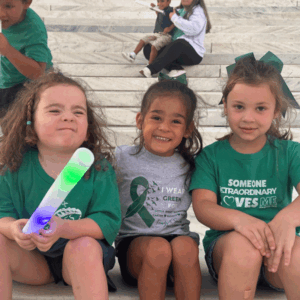

Experts discuss the unique health, wellness, puberty, and fertility considerations for girls and women with Fragile X syndrome (FXS), including how needs can vary widely across individuals. Panelists discuss guidance on puberty conversations, reproductive healthcare, emotional wellness, sleep, exercise, and supporting independence.
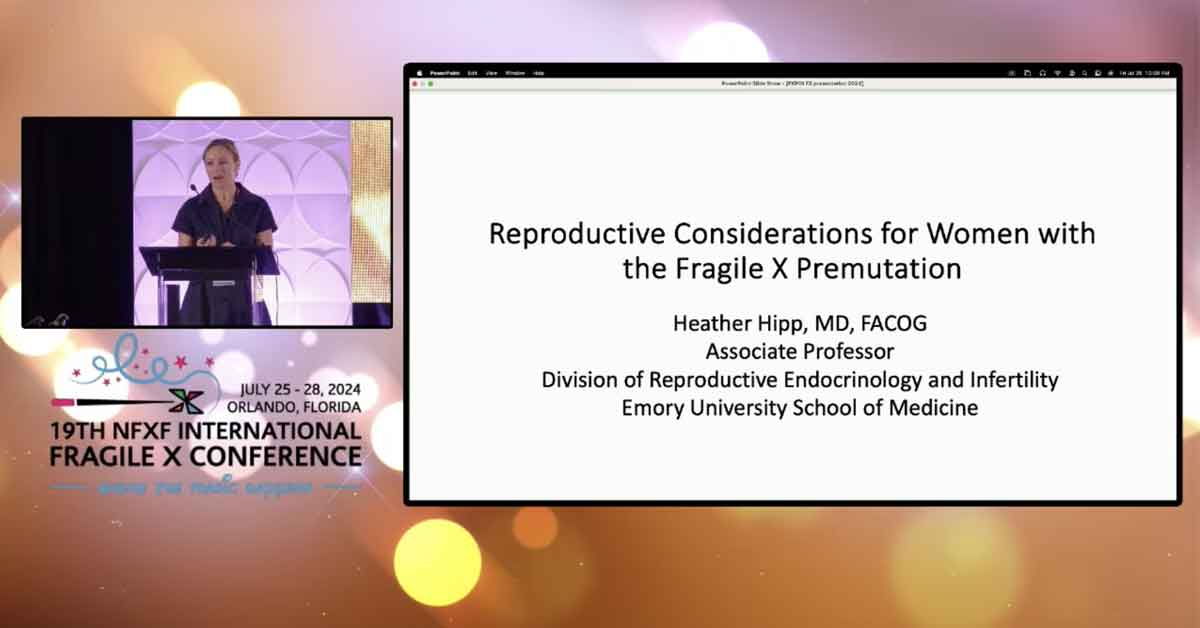
Dr. Heather Hipp, a reproductive endocrinologist at Emory University, discusses reproductive considerations for women with a Fragile X premutation, including FXPOI and the process for diagnosis.
The multidisciplinary panel discussed the unique experiences and support needs of females living with Fragile X syndrome. While females may sometimes exhibit fewer overt support needs, they can be as significantly affected as males. This complexity highlights the necessity for individualized approaches to support and intervention.

Reproductive health is a broad topic, covering the physical and emotional components of areas like puberty, sexuality, reproductive options, and family planning.
Ilana Garber, a Fragile X carrier and mother of a child with Fragile X syndrome, shares her experience with Fragile X and offers her perspective to people interested in testing for themselves or their child.
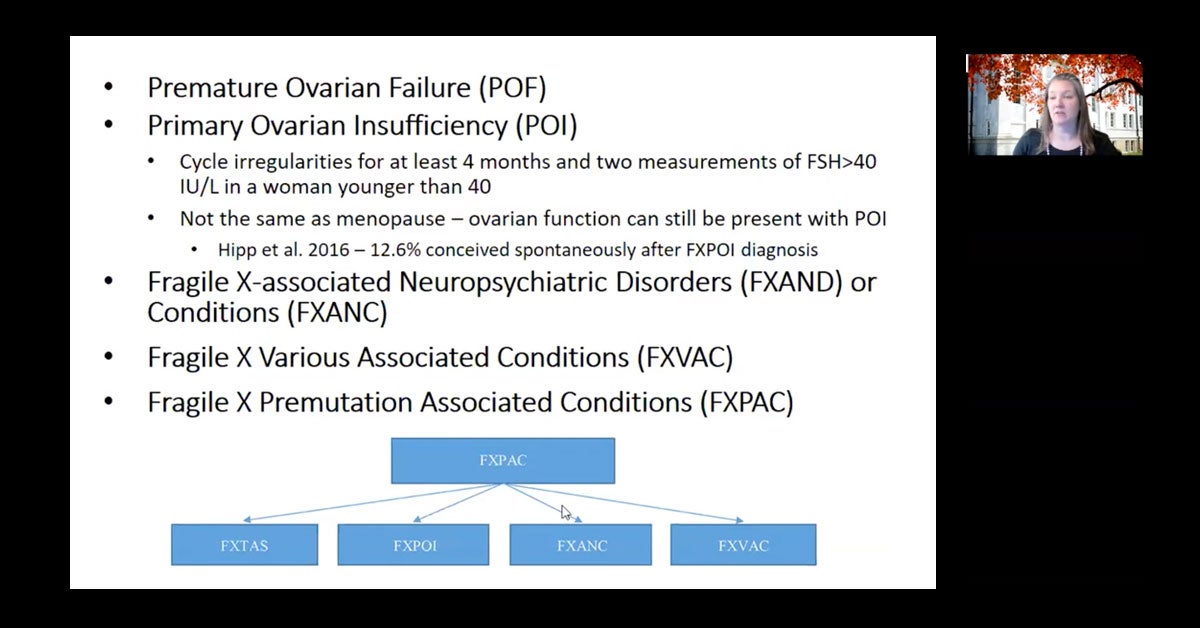
Emily Allen discusses some of the health concerns of women who are FMR1 premutation carriers.

When you or someone in your family is told you are a “carrier” for a Fragile X mutation, many questions arise. The expert panel helps answer what it means for your health, your family, and your future.
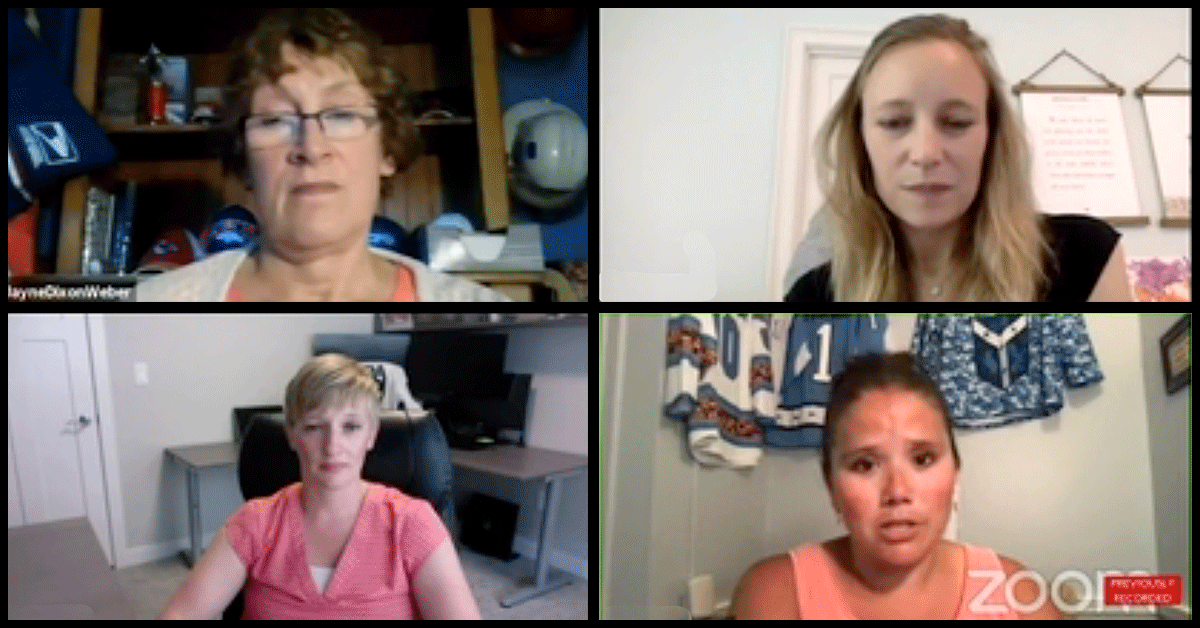
Panelists discuss their recommendations for women at high risk to consider earlier childbearing or methods of fertility preservation, such as egg (oocyte) or embryo freezing.