

Wellness Means More Than Physical Health
The panelists discussed that wellness includes not only medical care, but also emotional well-being, relationships, communication, independence, and access to support. Providing support works best when it is individualized, strengths-based, and responsive to their lived experience and goals.
Females with FXS may not receive the support they deserve because their needs may be less visible than in males, even though anxiety, sensory sensitivities, executive function challenges, and emotional regulation difficulties can impact daily life.
Exercise was highlighted as an important tool for supporting anxiety, sleep, mood, and overall health. The panel also encouraged families to focus on activities that build joy, confidence, and connection, whether through movement, hobbies, nature, animals, art, or community involvement.
For sleep concerns, the panel emphasized good sleep hygiene and open conversations with healthcare providers to discuss if medications may be helpful. The book Why We Sleep by Matthew Walker was also recommended as a helpful resource.
Puberty and Sexuality Conversations Matter
Puberty can be challenging for any adolescent, including females with FXS. Families shared questions and concerns about how to support their loved one with FXS navigate body changes, menstruation, relationships, boundaries, and safety. Physical puberty usually follows a typical timeline, but cognitive and emotional development may affect independence and self-care.
The panelists discussed the importance of beginning to discuss body changes, hygiene products, sensory preferences, and menstruation management early and often.
Resources to support conversations include:
- ATN/AIR-P Puberty and Adolescence Toolkit (Autism Speaks)
- “The Care & Keeping of You – 1” (American Girl)
- “The Care & Keeping of You – 2” (American Girl)
- A Parent’s Guide on Puberty for Girls with Disabilities (Vanderbilt Kennedy Center)
Reproductive and Gynecologic Care
The panel discussed contraception, fertility, menopause, and reproductive healthcare.
- Long-acting reversible contraception, such as IUDs and implants, may be appropriate for some individuals, but decisions should be individualized and made with informed providers.
- For more on contraception options: Reproductive Health and Fragile X
- Pediatric and adolescent gynecology can be especially helpful for individuals with developmental disabilities.
- The panel noted that Fragile X-associated primary ovarian insufficiency (FXPOI) is mainly linked to females with the Fragile X premutation rather than the full mutation, though mosaic cases may vary.
- In most cases, fertility, ovarian response, perimenopause, and menopause are expected to follow typical age-based patterns.
Fertility discussions also included IVF, genetic counseling, and family-building options:
Individualized Support and Decision-Making
As females with FXS move into adulthood, questions about independence, medical decision-making, and support structures become more complex. There is no single pathway. Individual support needs, communication styles, and independence goals vary and may change over time.
Helping each individual understand their options and support them in participating in conversations about their health and future can help ensure that wellness, healthcare, and support reflect their personal goals and values. Caregivers and support systems play an important role in creating opportunities for females with FXS to express preferences and make informed choices to set them up for success.
The Females with Fragile X Syndrome Webinar Series
This series focuses on females, as girls and women sometimes feel neglected and have different needs. The goal is to address any differences or specifics for females with FXS on how to live a healthy life (physically and mentally), navigate puberty & sexuality, and plan for their future.
Our thanks to the LivJoy Foundation for their passion and partnership, and to Dr. Lauren Jenner for her commitment to research focused on females with Fragile X syndrome.
Helpful Links:
- Learn more about the LivJoy Foundation
- Participate in Dr. Jenner’s research: The SC Family Experiences Study
- Find more research opportunities focused on females with FXS
More from the Series
May 20, 2026
01 h 00 m
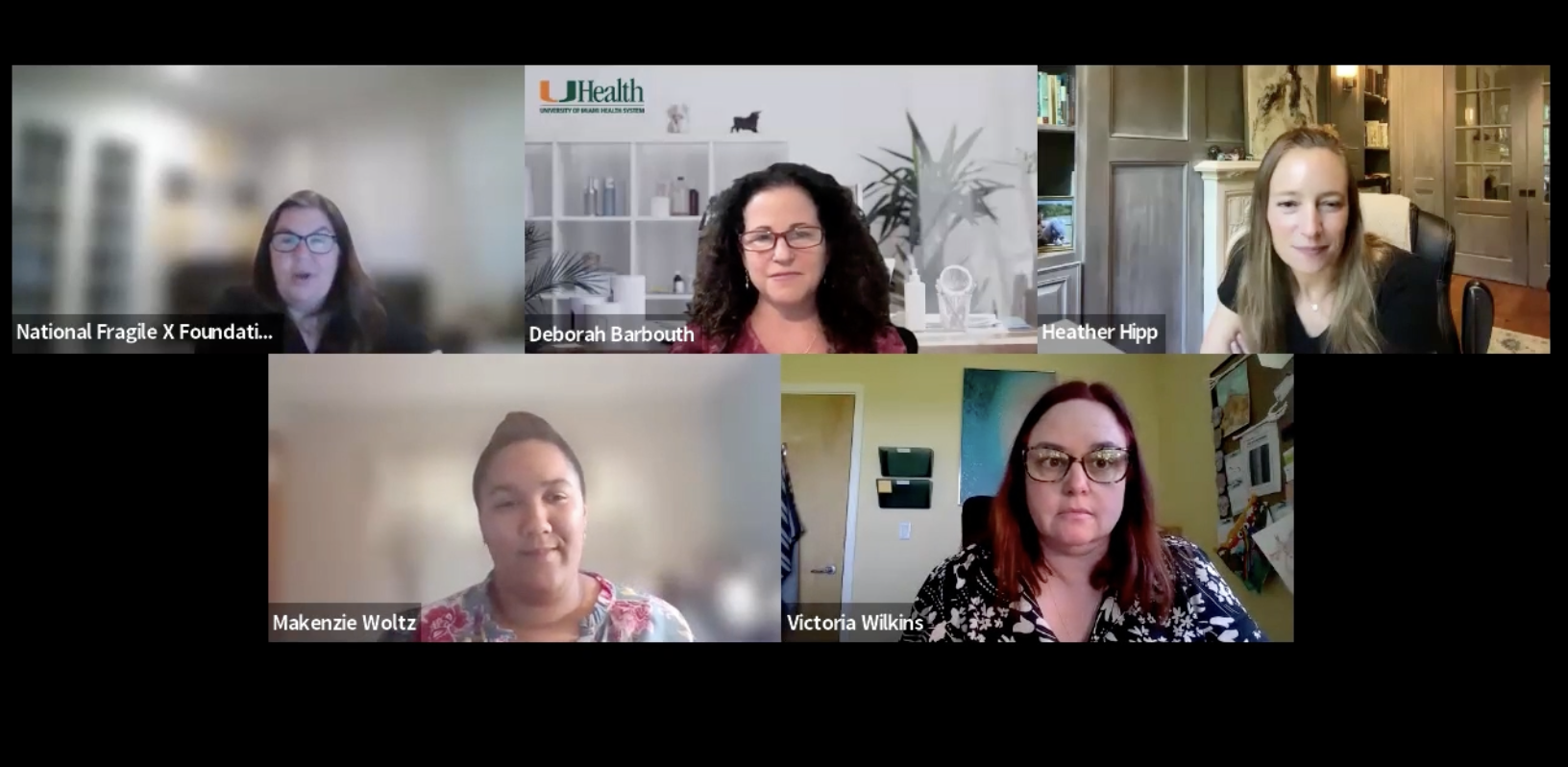
Experts discuss the unique health, wellness, puberty, and fertility considerations for girls and women with Fragile X syndrome (FXS), including how needs can vary widely across individuals. Panelists discuss guidance on puberty conversations, reproductive healthcare, emotional wellness, sleep, exercise, and supporting independence.
April 14, 2026
01 h 00 m
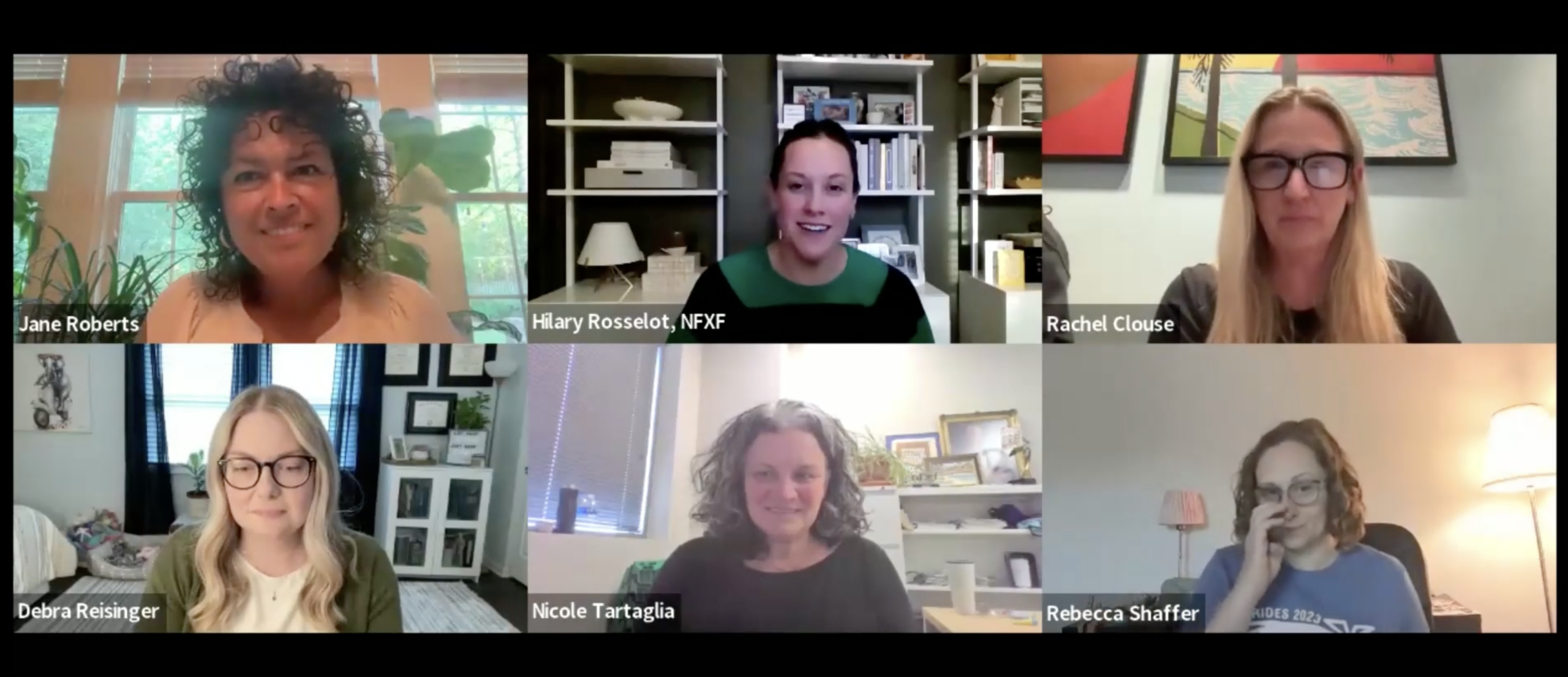
The National Fragile X Foundation and the LivJoy Foundation have come together to host a webinar series focused on Females with Fragile X syndrome. In the first webinar, we learn about the presentation of anxiety in females with FXS, and helpful tools and tactics to manage anxiety across a variety of settings throughout the lifespan.
March 17, 2026
00 h 22 m
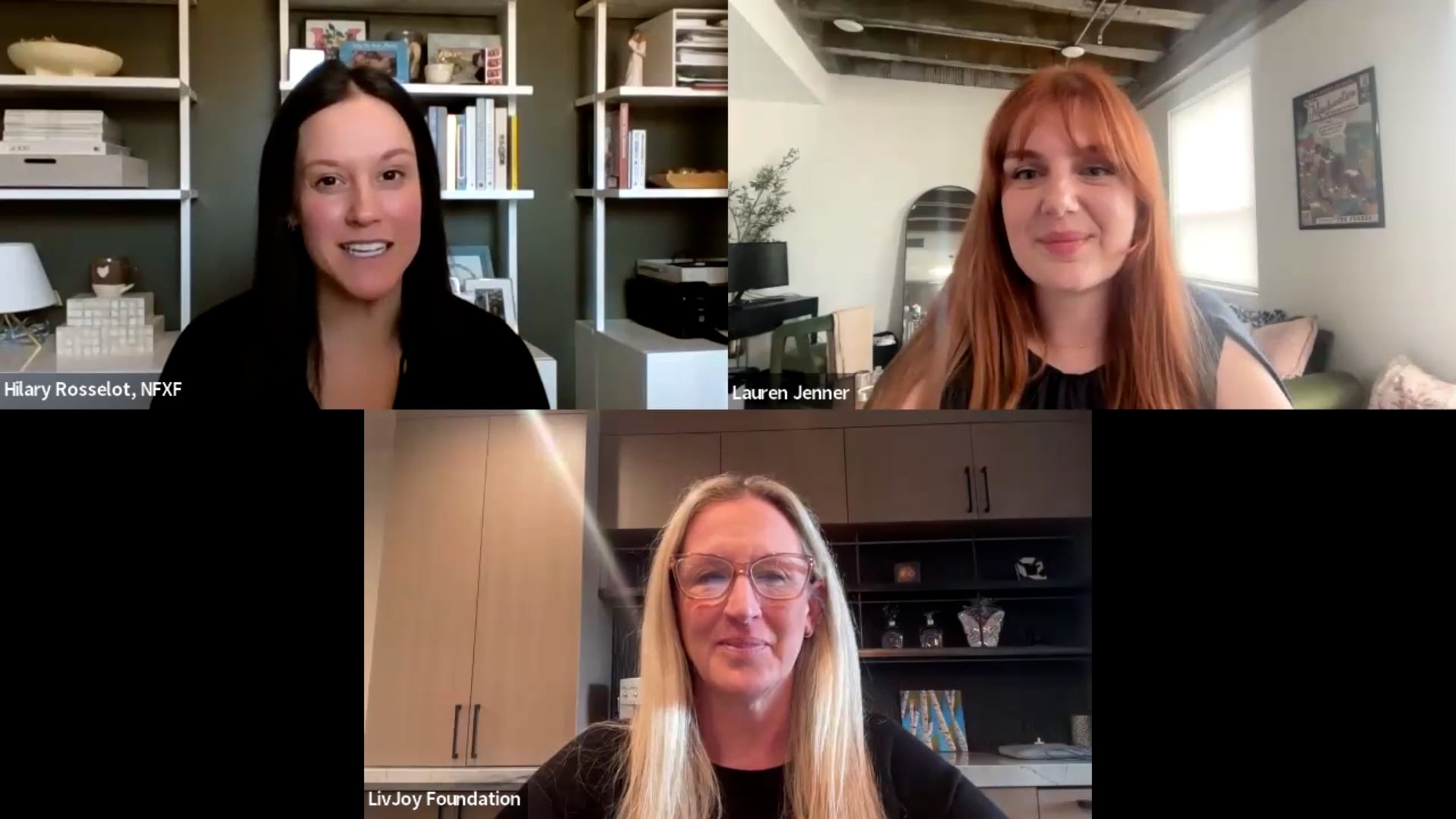
The NFXF and LivJoy Foundation are partnering to present a Females with Fragile X syndrome webinar series in 2026.
About the Presenters
Deborah Barbouth
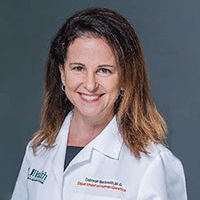
Dr. Deborah Barbouth has contributed to the clinical care of patients and delved into the realm of translational genetics. The South Florida Fragile X Clinic provides comprehensive care and treatment to children and adolescents affected by Fragile X while offering compassionate support, services, and referrals to local and community programs. The long-term vision is to have a Fragile X clinic that serves all family members. The clinic has expanded to include an adult neurologist and psychiatrists to serve adults with Fragile X-associated tremor/ataxia syndrome (FXTAS), adults with Fragile X, and mothers of individuals with Fragile X.
Heather Hipp
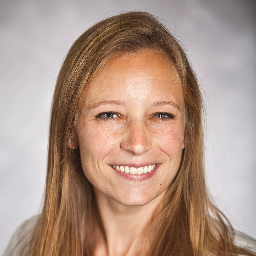
Heather Hipp, MD, is an associate professor at the Emory University School of Medicine and works at the Emory Reproductive Center caring for patients with reproductive endocrine disorders and infertility.
Dr. Hipp helped author the recent Fragile X Clinical & Research Consortium guidelines for FXPOI (Fragile X-associated primary ovarian insufficiency). Dr. Hipp is board certified in obstetrics and gynecology (OB-GYN) and reproductive endocrinology and infertility (REI). She maintains a special clinical interest in women with primary ovarian insufficiency (POI), working to care for their overall health and reproductive needs. She currently serves as the subspecialty resident educator for the REI rotation, is the program director for the REI fellowship, and is the director for the Emory Egg Bank. Dr. Hipp is also an advisor in the NFXF’s Research Readiness Program.
Dr. Hipp graduated from Duke University with double majors in biology and English and then matriculated at Emory University for her doctorate and graduated cum laude. She stayed at Emory for her residency in gynecology and obstetrics, where she served as administrative chief resident for her final year and her fellowship in reproductive endocrinology and infertility. During her fellowship in REI, she worked with Emory’s National Fragile X Center on ongoing analysis of genetic modifiers of POI in women with the Fragile X premutation.
Makenzie Woltz
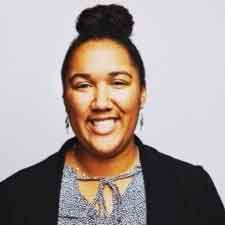
Makenzie is a clinical and research genetic counselor at Geisinger’s department of Developmental Medicine. In her role, she connects with families to disclose genetic testing results thought to explain their child’s developmental history and help coordinate next steps based on those results. Makenzie is Geisinger’s Fragile X syndrome specialty clinic and research coordinator. She graduated from Sarah Lawrence College’s Master of Genetic Counseling program in 2023. Makenzie is passionate about working with families within the Fragile X community and educating families, providers, and students about genetics.
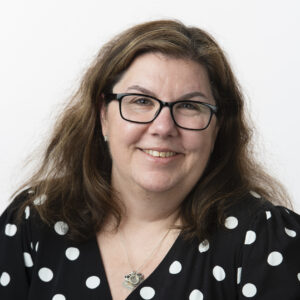
Missy Zolecki
Missy joined NFXF team in 2018 after being an active volunteer since 2010. Missy organized several fundraisers and educational workshops while serving in her volunteer role. Missy is the mother of three children. Her eldest son, Matt, lives with Fragile X syndrome. Prior to joining the NFXF team, Missy had worked as a nurse for more than 20 years. She enjoys traveling and spending time with family and friends.
