



Authors: Deborah A. Hall, David Andrés González, Jessica Klusek, Peter K. Todd, Joan A. O’Keefe, Nell Maltman, Federica Alice Maria Montanaro, Dragana Protic, Laura Scorr, Rabia Malik, Pierpaolo Turcano, Matthew S. Meyers, and Andreea Seritan
Read “Management of Fragile X-Associated Tremor/Ataxia Syndrome: A Review for Clinicians,” published in Frontiers in Neurology.
Summary
Fragile X-associated tremor ataxia syndrome (FXTAS) is a condition that can affect some people living with an FMR1 premutation. It often develops later in adulthood and can cause problems with movement, balance, memory, and mental health. Symptoms may include shaking (tremor), difficulty walking, numbness or pain, memory loss, anxiety, and depression. FXTAS affects each person differently, and symptoms can change over time.
In this article, a team of experts reviewed existing research and shared recommendations to help doctors better care for people with FXTAS. The team – made up of specialists in neurology, mental health, speech therapy, physical therapy, and other areas – reviewed 66 research articles published over the past 10 years and used this information, along with their clinical experience, to develop updated treatment recommendations for FXTAS.
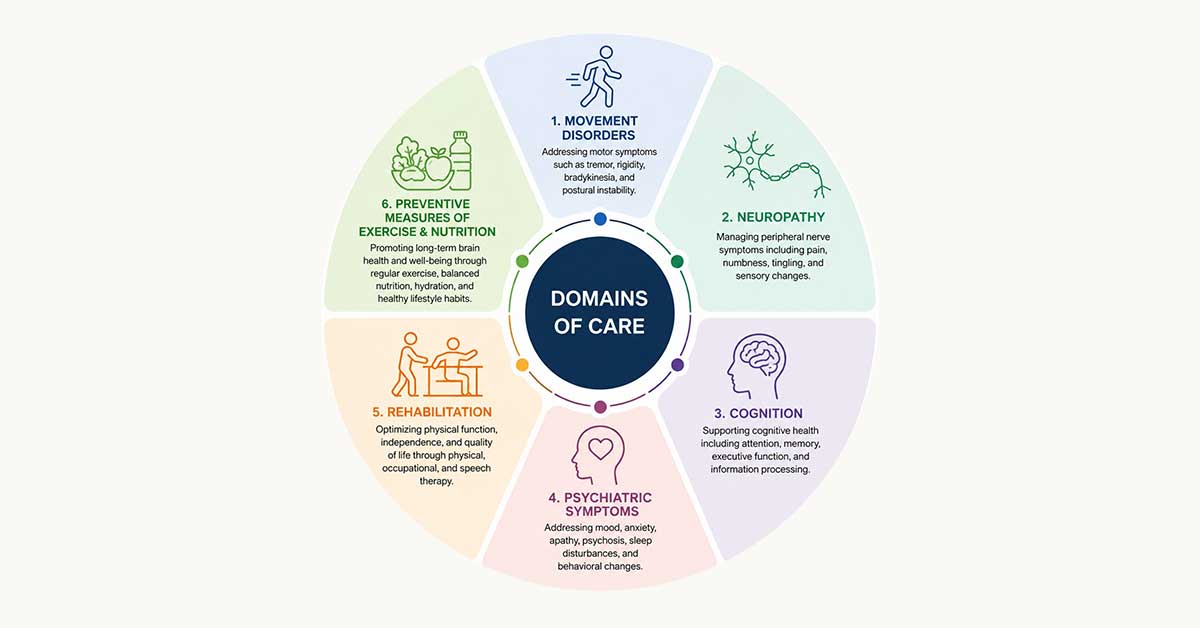
The review highlights several ways to manage FXTAS symptoms. These include medications for movement problems, pain, anxiety, and depression, therapies to support memory and thinking, and physical, occupational, and speech therapy. The authors also discuss the importance of regular exercise and healthy eating. Because FXTAS affects many parts of the body, the authors recommend care from a team of healthcare professionals who work together to meet each person’s needs.
Why It Matters
There are currently no FDA-approved medications specifically for FXTAS, and only a small number of clinical trials have tested treatments in people with this condition. This means doctors often use treatments developed for other conditions to help manage FXTAS symptoms. However, not every treatment works the same way for every person, and some medications can worsen other symptoms.
This review provides updated guidance that can help doctors make better treatment decisions. It also highlights that care involves more than medication. Physical therapy may help with balance and walking, occupational therapy can support everyday activities, and speech therapy can help with communication and swallowing. Findings show that support for memory, mental health, and caregivers is also important.
For families, one important takeaway is that there are ways to manage many FXTAS symptoms and support quality of life, even when a treatment cannot stop the condition from progressing. Regular check-ins with healthcare providers can help identify any changes and adjust care as needed.
Next Steps
The authors hope these recommendations will help improve FXTAS care while researchers work toward better treatment options. Ongoing studies are following men and women with FXTAS over five years to better understand how symptoms change over time. The findings may help doctors recognize changes earlier and plan care as the condition progresses.
Researchers are also exploring treatments that target movement, memory, and mental health symptoms, as well as ways to improve balance, daily activities, and overall well-being. These efforts may help identify which treatments and supportive therapies work best for people with FXTAS and guide future clinical trials.
Editorial Note
This is a review of existing research and expert recommendations, not a new clinical trial. Some recommendations are based on studies of other neurological conditions because research focused solely on FXTAS remains limited. The authors emphasize that treatment decisions should be individualized.
Ongoing FXTAS Research
Advancing Clinical Trials for FXTAS — Webinar
Dr. David Hessl joined the NFXF to discuss the exciting new ACT for FXTAS study, funded by the National Institute of Neurological Disorders and Stroke (NINDS). The post also includes a sign-up link for those interested in participating.
ACT for FXTAS — Study Flyer
Researchers at UC Davis MIND Institute, Rush University, and the University of Michigan are looking for volunteers for a research study on Fragile X-Associated Tremor/Ataxia Syndrome (FXTAS)
Longitudinal Study of Brain and Cognition in Fragile X Premutation Carriers (TRAX) — Research Opportunity
Learn how you can participate: Researchers at the UC Davis MIND Institute are examining changes in the brain and cognition associated with aging in males with the Fragile X premutation compared to those without.