


This is an original article by Jayne Dixon Weber, updated in 2026 by the NFXF Team.
Fall is a season filled with exciting traditions, but the sensory overload, crowd noise, and schedule changes that accompany autumn activities — especially Halloween — can trigger hyperarousal and anxiety in individuals with Fragile X syndrome (FXS).
While Halloween often centers on trick-or-treating and candy, the season offers many adaptable activities. The goal is to find what creates a positive experience for your family — even if that means starting brand-new traditions!
Here are some practical strategies, sensory-friendly ideas, and insights from NFXF community members to help keep fall enjoyable and low-stress.
Managing Noise, Crowds, and Auditory Sensitivity
Unpredictable sounds — like lawn animatronics, barking dogs, sudden laughter, or screaming trick-or-treaters — are primary triggers for auditory hyperarousal.
- Use Hearing Protection: Earplugs, noise-reducing earmuffs, or over-ear noise-canceling headphones paired with favorite music or calming audio can significantly cushion environmental noise.
- Go Off-Peak: Visit pumpkin patches, orchards, or festivals on weekday mornings or right when venues open to avoid peak crowds and long lines.
- Avoid Animatronics and Strobes: Steer clear of stores or yards with motion-activated noise makers, fog machines, or flashing/strobe lighting, which can trigger both auditory and visual hyperarousal.
- Establish a Calm Safe Zone: When attending community events or visiting neighbors, find a quiet retreat spot (like the car or a quiet side street) where your child can decompress if hyperarousal builds.
Navigating Routine Changes and October Anticipation
The buildup to Halloween can create prolonged excitement and anxiety, leading to sleep disturbances or behavioral challenges way before Halloween.
- Visual Schedules and Countdown Calendars: Use visual calendars to clearly mark when events will happen so expectations are clear.
- Prepare for Schedule Shifts: Keep day-to-day routines (mealtimes, bedtime rituals, familiar activities) as consistent as possible surrounding holidays (or any major events).
- Acknowledge Anxiety Signals: Hyperarousal often presents as fidgeting, pacing, vocalizing, or hand-flapping. You know your child’s unique signals. Recognizing them early allows you to step away before a meltdown occurs.
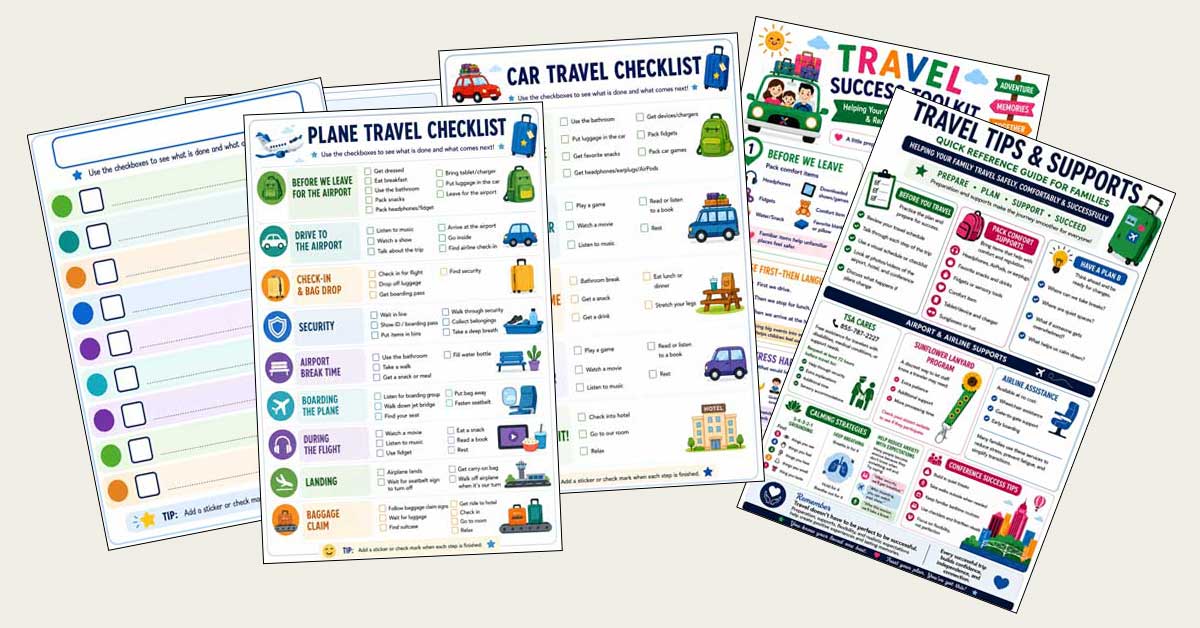
Helpful Templates


Visiting Pumpkin Patches and Outdoor Events
- Research Accessibility Ahead of Time: Call venues or check social media for quiet hours, accessible parking, and layout maps.
- Social Stories & Photos: Print or display photos of the destination before you leave so they know exactly what it looks like.
- Move at Their Pace: Avoid rushing through activities. If walking through a farm or patch becomes too overwhelming, picking a pumpkin at a local market is a great low-stress option!
Decorating Home Spaces Inside and Out
- Let Them Lead: Involve them in choosing decorations or building simple DIY crafts without pressure.
- Focus on Calming Decor: Avoid sudden movement sensors, loud props, or flashing lights. Ensure walkways remain clear of clutter for visitors.
- Decorate Gradually: Introduce decorations over several days rather than changing the home environment all at once.
Choosing and Adapting Sensory-Friendly Costumes
Costumes should prioritize tactile comfort and a familiar fit over an elaborate look.
- Embrace Everyday Wear: Use soft, familiar clothing like Halloween pajamas, character onesies, or themed hoodies (ideas include scrubs for a doctor, a firefighter jacket, or a sports jersey).
- Skip Masks and Face Paint: Masks can obstruct peripheral vision and feel claustrophobic, while face paint can feel uncomfortable to the touch.
- Plan for Layering: If you’re trick-or-treating in cold weather, make sure costumes fit comfortably over their usual outerwear or coat.
- Keep Expectations Flexible: They may select a costume at the store but later change their mind and want to switch outfits or want no costume at all. Going without a costume is completely fine!
- Consider Color-Coded Buckets:
- Teal Bucket: Teal indicates food allergies (part of the Teal Pumpkin Project).
- Blue Bucket: This color signals that a trick-or-treater is on the autism spectrum or non-verbal.
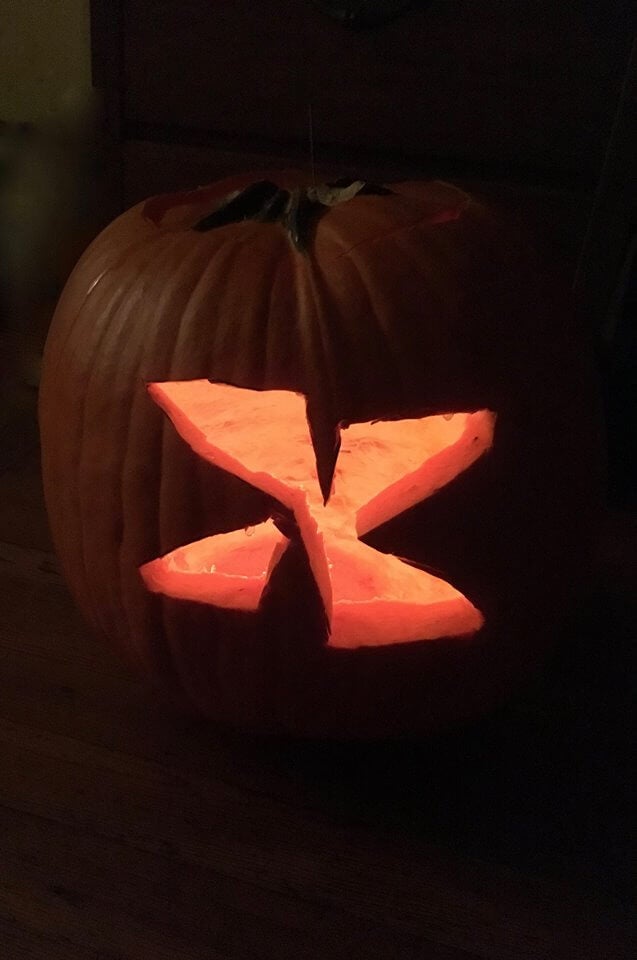
Carving and Decorating Pumpkins
- Tactile Alternatives: Pumpkin pulp and seeds can cause sensory aversion. Disposable gloves or tools let your child participate comfortably.
- Mess-Free Options: Decorating pumpkins with paint, markers, foam stickers, or googly eyes completely avoids slippery textures and sharp carving tools.
- Collaborate on Design: Draw designs on paper first. Ask them to pick features (eye shapes, smiles) or help pop out pre-carved pieces.
Trick-or-Treating and Social Interactions
Social demands — such as eye contact, waiting, knocking, or speaking on command — can cause intense social anxiety for individuals with FXS.
- Practice and Pre-Teach: Rehearse knocking, ringing doorbells, and saying “Trick or treat” beforehand with familiar neighbors during daylight hours.
- Eliminate Social Pressure: If your child doesn’t speak or make eye contact, step in naturally to help or say “Trick or treat” for them without making a scene.
- Use Awareness Cards: Carrying printable FXS awareness cards or trick-or-treat communication cards helps you explain your child’s communication needs to neighbors effortlessly:
- Trick-or-Treat Card Cutouts (National Autism Association)
- Trick or Treat Cards for Non-Verbal Kids (Speech Therapy Talk)
- Alternative Roles: Staying home to hand out candy or walking around the block without approaching doors are all valid ways to participate.
- Set Clear Boundaries: Decide on the start time, route length, and end time before leaving the house.

Managing Candy and Sensory Food Aversions
- The “Trade-In” Strategy: Offer to trade part or all of their trick-or-treat haul for a desired toy, book, or activity.
- Non-Food Treats: Offer non-food items (stickers, glow sticks, small fidget toys) for children with dietary restrictions or sensory food preferences.
- Donate Extra Candy: Participate in local dental buy-back drives or donate surplus treats.
Alternative Ways to Celebrate
If traditional trick-or-treating isn’t a good fit, consider these low-intensity at-home alternatives:
- Host a cozy movie night with non-scary seasonal films.
- Bake and decorate Halloween-themed cookies or snacks together.
- Read Halloween-related books together at home.
- Attend daytime community events instead, which generally offer lower noise levels and brighter lighting than evening events.
Community Strategies from Fragile X Families
Parents and caregivers in the FXS community have shared practical tips that have worked for their families:
- Soft Layers: “We use simple jackets or capes over familiar everyday clothes — like a firefighter coat or Superman cape — to avoid scratchy costumes.”
- Cardboard Creations: “Building costumes out of cardboard boxes (like a car or robot) gave our son a comfortable physical barrier and made him feel secure.”
- Home Display: “Our son loves dressing up, but prefers changing costumes multiple times at home and passing out candy in the driveway instead of walking the neighborhood.”
- Peer Support: “We’ve found that going out alongside siblings or familiar friends provides natural social cues and helps keep anxiety down.”
Related Resources
- Tips for Making Halloween Disability-Friendly: Tips (and tricks!) to take some of the scary out of the holiday for children. (Michigan Medicine)
For Adults With FXS
- How to Accommodate Adults with Disabilities for a Stress-Free Halloween (Covey)
- Halloween Fun for Individuals with Intellectual Disabilities: Ideas for snacks, crafts, and slimy things. (The Baddour Center)