

- Cognitive Behavioral Therapy (CBT) adapted for developmental level
- Sensory regulation and occupational therapy (“sensory diets”)
- Relaxation techniques (breathing, mindfulness, calming breaks)
- Predictability through visual supports and structured routines
- SSRIs (e.g., sertraline, fluoxetine) as first-line for chronic anxiety
- Alpha agonists (guanfacine, clonidine) and propranolol for physiological symptoms
- Short-term benzodiazepines for “as-needed” events (e.g., medical visits, flights)
The panelists then dove into discussing tools & tactics by setting:
- Start and end tasks successfully to build confidence
- Adjust homework timing and environment to the individual’s needs
- Advocate for IEP accommodations based on the individual, and include them if possible
- Model tasks visually; focus on strengths and predictability
- Schedule calming breaks and decompression routines throughout the shift
- Choose work and roles aligned with strengths and comfort levels
- Consider disclosing Fragile X diagnosis when helpful, and seeking accommodations
- Leverage hybrid or flexible schedules when possible
- Practice conversational scripts and role-play interactions beyond “Hi, how are you?”
- Engage in small, interest-based groups; find your people
- Begin social skill development early and maintain community engagement; observed risk of agoraphobia in adulthood if social engagement declines
The webinar concluded with panelists sharing highlights and top tips for success, including:
- Normalizing discussions about anxiety and seeking professional help early
- Combining behavioral and medical treatments for optimal results
- Encouraging ongoing advocacy, education, and social participation for females with FXS
- Monitoring social media use and external stressors that may heighten anxiety
- Continuing research on female-specific FXS experiences
The Females with Fragile X Syndrome Webinar Series
This series focuses on females, as girls and women sometimes feel neglected and have different needs. The goal is to address any differences or specifics for females with FXS on how to live a healthy life (physically and mentally), navigate puberty & sexuality, and plan for their future.
Our thanks to the LivJoy Foundation for their passion and partnership, and to Dr. Lauren Jenner for her commitment to research focused on females with Fragile X syndrome.
Helpful Links:
- Learn more about the LivJoy Foundation
- Participate in Dr. Jenner’s research: The SC Family Experiences Study
- Find more research opportunities focused on females with FXS
More from the Series
May 20, 2026
00 h 56 m
Experts discuss the unique health, wellness, puberty, and fertility considerations for girls and women with Fragile X syndrome (FXS), including how needs can vary widely across individuals. Panelists discuss guidance on puberty conversations, reproductive healthcare, emotional wellness, sleep, exercise, and supporting independence.
March 17, 2026
00 h 22 m
The NFXF and LivJoy Foundation are partnering to present a Females with Fragile X syndrome webinar series in 2026.
About the Presenters
Jane Roberts
Dr. Jane Roberts received her PhD from the University of North Carolina at Chapel Hill then spent 10 years at UNC as a research investigator and scientist at the FPG Child Development Institute. Her work focuses on understanding the biological mechanisms that underlie cognitive and behavioral functioning in children and adults with neurodevelopmental disorders such as autism, Fragile X syndrome, and AD/HD.
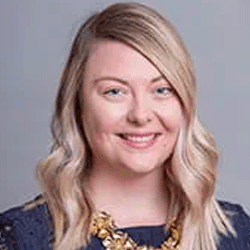
Debra Reisinger
Dr. Debra Reisinger, PhD, is a licensed clinical psychologist with expertise in assessment and treatment services with FXS, autism, and other neurodevelopmental disorders. She provides telehealth behavioral intervention and parent training services to individuals with FXS across the lifespan. Her research interests include the integration of biological and behavioral responses in developmental and treatment outcomes in FXS.
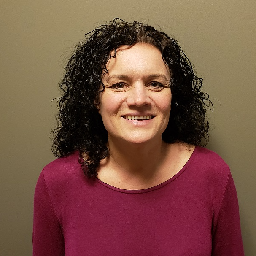
Nicole Tartaglia
Nicole Tartaglia, MD, attended university and medical school at the University of Colorado. She completed her training in general pediatrics at Children’s Hospital Los Angeles, and fellowship training in developmental-behavioral pediatrics at the University of California Davis MIND Institute, where her research focused on children and adults with developmental disabilities, chromosomal abnormalities, Fragile X syndrome, and autism spectrum disorder. She also obtained her master’s in clinical investigation from the University of Colorado Graduate School.
Since 2007, Dr. Tartaglia has worked as faculty for the Colorado School of Medicine at Children’s Hospital Colorado in the Department of Pediatrics Section of Developmental Pediatrics, where she founded and directs the eXtraordinarY Kids Clinic for children and adolescents with sex chromosome disorders, and is also the director of the Denver Fragile X Clinic. In these clinics, she leads multidisciplinary teams that include medical providers, genetic counseling, psychology, speech-language therapy, occupational therapy, nursing, and social work, and collaborates extensively with community providers, therapists, and schools to provide optimal care for these special populations. She also evaluates and treats children with general developmental delays, autism spectrum disorder, ADHD, and other neurogenetic disorders.
Dr. Tartaglia has federally funded research projects evaluating natural history and outcome measures in sex chromosome disorders and Fragile X and collaborates with national networks of clinics to develop best practices for treatments of these conditions. She is also very active in clinical trials of targeted treatment medications for neurobehavioral features and developmental disabilities. Dr. Tartaglia is also a member of the NFXF’s Clinical Trials Committee.
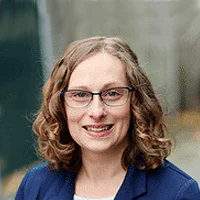
Rebecca Shaffer
Rebecca Shaffer, PsyD, HSPP, is a professor of pediatrics at Cincinnati Children’s Hospital, and she specializes in both clinical care and research with Fragile X syndrome and autism spectrum disorder. She is also the director of psychological services for the Cincinnati Fragile X Center. Her research is primarily focused on emotion dysregulation in both FXS and ASD. She enjoys helping individuals find ways to calm their bodies and minds and fully engage in the world around them. She also enjoys helping caregivers find ways to best support them in this process. “It is truly a pleasure to work with the Fragile X population and their families.”
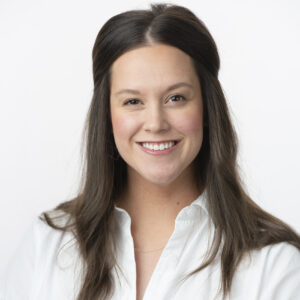
Hilary Rosselot
Hilary joined the NFXF team in 2019. Prior to joining the NFXF team, she worked at the Cincinnati Fragile X Research and Treatment Center for several years. She has experience as a clinical research coordinator across many types of clinical trials and served as the clinical research manager for the Cincinnati program. She earned a bachelor’s in psychology, an MBA, and was previously a SOCRA-certified clinical research professional (CCRP). She enjoys spending time with her family, including her young daughter and Boston Terrier, as well as curling up with a good book.
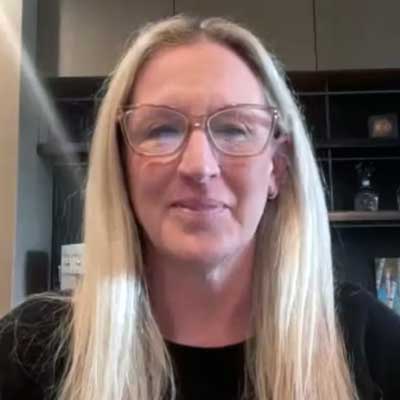
Rachel Clouse
Rachel and her husband, Brian, founded LivJoy in 2023 to find, fund, and share programs that enable girls with Fragile X Syndrome to live full, joyful lives. It is the landing point they wished they’d had when searching for answers for their family of girls with Fragile X; they want to help families at all stages of diagnosis and life find both resources and reassurance that others are going through the same experience. The LivJoy Foundation is dedicated to finding and funding resources that enable girls with Fragile X Syndrome to live a life full of joy.