




Tracy Stackhouse
Tracy Stackhouse, MA, OTR, is co-founder and executive director of Developmental FX in Denver, Colorado. She is a leading pediatric occupational therapist involved in clinical treatment, research, mentoring, and training regarding OT intervention for persons with neurodevelopmental disorders, especially Fragile X syndrome and autism. Tracy has a master’s in developmental psychology/neuroscience. She received her NDT (neuro-developmental treatment) training with Lois Bly. She is SIPT (Sensory Integration and Praxis Tests) certified and was the clinical specialist in sensory integration at the Children’s Hospital in Denver as well as the OT for the Fragile X Research and Treatment Center. Tracy continued her clinical and research work with Dr. Randi Hagerman at the UC Davis MIND Institute during its start-up year prior to starting Developmental FX.
Tracy has written several book chapters on sensory integration and neurodevelopmental disorders and teaches nationally and internationally on sensory integration, autism, Fragile X, and related topics. She is the lead author for the SpIRiT and STEPSI Clinical Reasoning Tools which are leading-edge evidence-based models in pediatric occupational therapy. Tracy is also a member of the Fragile X Clinical & Research Consortium and the NFXF Advisory Committee.
More from the Author
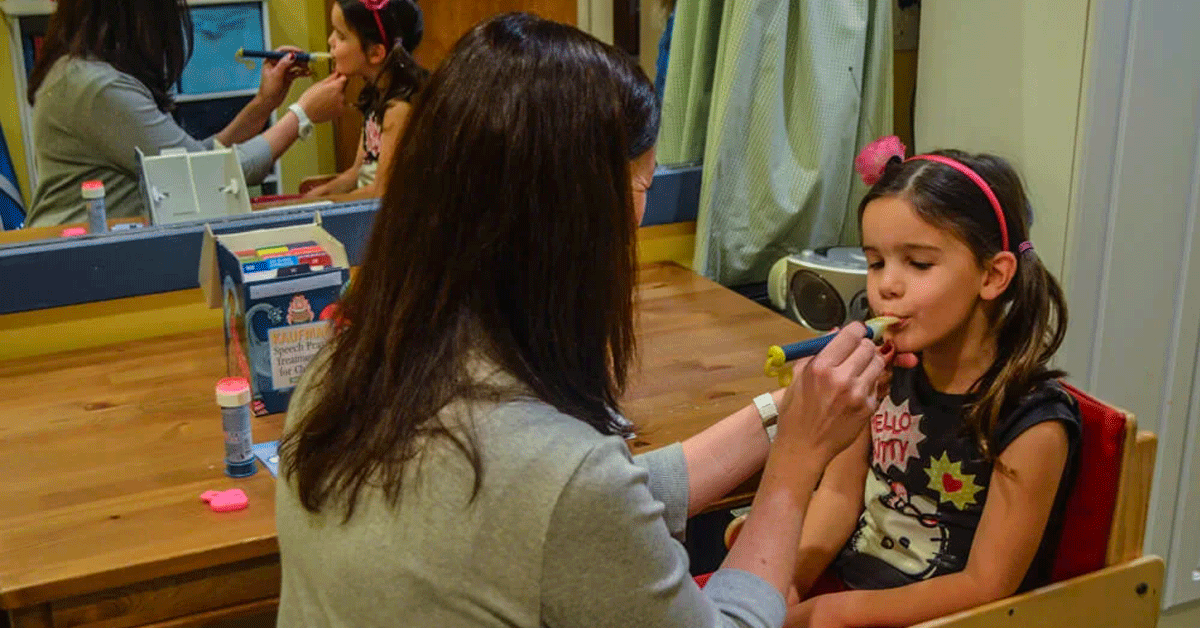
Individuals with Fragile X syndrome are prone to self-talk and perseveration, so in a significant way, teaching them to use constructive mantras harnesses their natural tendency to narrate their lives.

Video modeling utilizes readily available technology to provide a model of appropriate social, language, behavior, or specific targeted daily living or job skills.
It is critical to integrate knowledge of hyperarousal into any intervention strategy, especially for those treatments that come from a tradition of autism intervention.