NFXF Webinar Series

Advancing Clinical Trials for FXTAS

00 h 19 m

Dr. David Hessl joined the NFXF to discuss the exciting new ACT for FXTAS study, funded by the National Institute of Neurological Disorders and Stroke (NINDS).

About the Webinar

With Dr. David Hessl
Learn more about the presenters

Unlike a typical grant, the funding for the ACT for FXTAS study is a cooperative agreement where NINDS scientists actively participate in the project, ensuring close collaboration. The goal is to be fully prepared for upcoming clinical trials for FXTAS — knowing exactly what to measure and how to measure it.

The NFXF is truly excited about this initiative. We recently committed to funding the biobanking effort of this study because strong biomarkers and outcome measures are essential for developing effective therapies. This biobank promises to accelerate discoveries and bring us closer to meaningful, measurable outcomes for those living with FXTAS. We’re proud to support this work and inspired by the dedication driving it forward.

Also see: $55 Million Federal Grant to Help Researchers Build Tools for FXTAS Treatment Trials (UC Davis Health News)

Key Takeaways

  • The ACT for FXTAS project recently received $5.5 million in federal funding from NINDS, providing crucial support to prepare for future clinical trials.
  • Researchers from UC Davis, University of Michigan, and Rush University are working together to advance FXTAS research.
  • Scientists from NINDS are active partners in the project, helping guide milestones and study design.
  • The project is preparing for new treatments, including gene therapies and other targeted approaches for FXTAS.
  • A strong research network is being built across multiple centers, with trained staff, standardized equipment, and ready participants.
  • Patients and their families are deeply involved through advisory boards and focus groups to ensure the research is meaningful and patient-friendly.
  • Advanced tools, such as MRI scans, rating scales, and wearable sensors, are being used to track symptoms and disease progression.
  • The NFXF is helping by providing funding support for the project’s biobank, helping collect and store patient samples for future biomarker studies.
  • Studying this rare disease also helps scientists learn more about other movement disorders and neurodegenerative conditions.
  • Federal funding is essential because industry rarely supports early-stage clinical trial preparation for rare diseases.
  • The study plans to enroll 100 participants over the next two years, and families are encouraged to contact site coordinators if they are interested in joining.

Interested in Participating?

The study is looking for English-speaking men and women ages 50 to 85 with a diagnosis of FXTAS.

The study will involve:

  • Motor function assessments
  • Medical history and physical exam
  • Cognitive testing
  • Brain magnetic resonance imaging (MRI)
  • Blood draw
  • Questionnaires

Participants will receive compensation for their time and reimbursement of all study-approved travel expenses to attend clinic visits.

If you’d like to learn more and be considered for this research opportunity, please fill out this form and your contact information will be sent to the study team.

Meet the Presenter

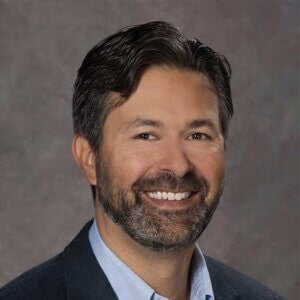
David Hessl headshot.

David Hessl

UC Davis MIND Institute
Clinical Professor, Department of Psychiatry and Behavioral Sciences, School of Medicine

David Hessl, PhD, is a licensed clinical psychologist and the head psychologist at the Fragile X Research and Treatment Center at UC Davis, where FXTAS (Fragile X-associated tremor/ataxia syndrome) was first discovered and reported in 2001. His clinical interests involve cognitive, emotional, and behavioral evaluation of children, adolescents, and adults with neurodevelopmental disorders, especially those with Fragile X syndrome, autism, ADHD, and learning disabilities. He also has expertise in developmental psychopathology, particularly mood and anxiety disorders, in infants and young children.

He directs the Translational Psychophysiology and Assessment Laboratory (T-PAL) at the MIND Institute to investigate the emotional psychophysiology of children with neurodevelopmental disorders, and to develop novel outcome measures for clinical trials. His work currently concentrates on autism, Fragile X syndrome, Down syndrome, and Fragile X premutation carriers, who are at risk for neurodegenerative disease.

He received his PhD in Child Clinical Psychology from the University of Washington in 1997, which included a clinical internship at Stanford University, and received postdoctoral fellowship training at the UC Berkeley Institute of Human Development during 1997-1998.

Dr. Hessl’s career has focused on Fragile X-associated disorders since 1998, having published 114 peer-reviewed journal articles on these topics to date. Dr. Hessl also serves on the National Fragile X Foundation’s Clinical Trials Committee.