Cincinnati Children’s Hospital Medical Center, University of Texas-Southwestern, University of California-Davis
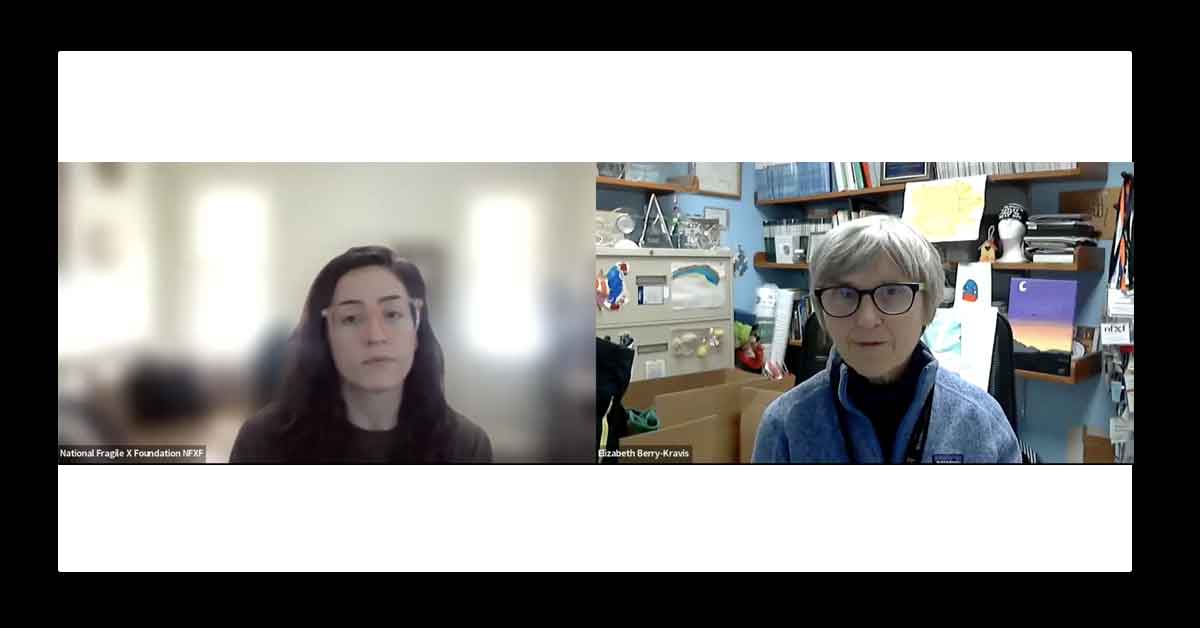
Dr. Craig Erickson from Cincinnati Children’s Hospital & Medical Center and Dr. Kim Huber from University of Texas Southwestern share updates on the research going on in their program.
Key Takeaways
- The Center brings together doctors and scientists from across the nation to study how Fragile X syndrome affects the brain and develop new treatments.
- Researchers use a safe, noninvasive brain test called EEG in both people and mice to understand brain activity and link studies.
- Fragile X affects each person differently, so research considers age, sex, and genetics rather than assuming everyone is the same.
- Research has found that children with FXS and mouse models show more “background noise” in the brain and less clear responses to sound, which may explain sensory and language challenges.
- The program currently focuses on children and teens ages 2–17, offers home research visits, and is testing new medications to see how treatments affect learning and brain activity.
- Families, advocacy groups, and NIH-funded collaboration are essential for guiding research and turning discoveries into real improvements in daily life.
University of South Carolina
Dr. Jane Roberts and Dr. Jessie Klusek from the University of South Carolina, the newest-awarded Center of Excellence, share updates on their research program.
Key Takeaways
- Researchers at the University of South Carolina are studying the Fragile X premutation across the lifespan, from early childhood to older adulthood, to better understand how symptoms may appear and change over time.
- One project follows young children (ages 3–5) to track early social communication, attention, and emotional development, helping families and providers identify signs early and support kids proactively.
- A second project focuses on adult women with the premutation, improving understanding of mental health, movement, and thinking changes over time—areas that have been under-studied in women.
- The research emphasizes diversity and inclusion, aiming to reflect the full range of people and experiences affected by the Fragile X premutation.
- Federal and NIH funding makes this work possible, allowing scientists to study Fragile X across ages, link findings over time, and generate reliable, evidence-based guidance for families and healthcare providers.
- Continued federal/NIH investment supports future breakthroughs, trains the next generation of Fragile X researchers, and accelerates progress toward better screening, prevention, and treatments.
Also see:
USC Leads the Nation in Fragile X Research and Education
New National Institutes of Health grant helps pave way for expanded Fragile X research.
SC Family Experiences Study
Interested in participating? Our research focuses on the family experiences of those who have a child with Fragile X syndrome, the Fragile X premutation, or autism. The study is located in the Department of Communication Science and Disorders at the University of South Carolina. This project is directed by Dr. Jessica Klusek.
University of Michigan Medical School, Emory University
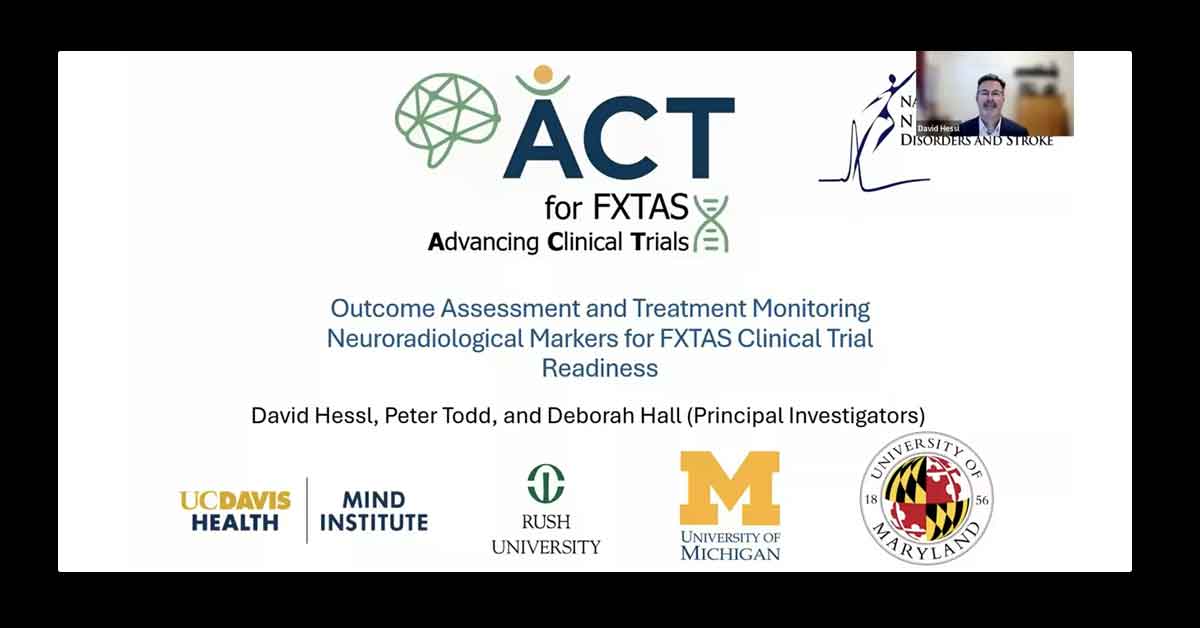
Dr. Peter Todd from University of Michigan Medical School and Dr. Emily Allen from Emory University share their program updates.
Key Takeaways
- This NIH-funded research center brings together four universities to better understand the Fragile X premutation and why it causes conditions like FXTAS and FXPOI in some people but not others.
- Researchers have learned that both toxic RNA and toxic proteins from the Fragile X gene work together to damage cells, opening multiple paths for treatment.
- The center is testing new targeted therapies, developing early warning biomarkers, and preparing for future clinical trials in FXTAS.
- Large nationwide studies make it easy for families to participate from home, helping scientists learn faster and more accurately.
- NIH funding is essential because it supports long-term, multi-center collaboration that no single lab could do alone.
- Federal investment helps turn basic science into real-world treatments, accelerating progress for individuals and families affected by Fragile X.
Also see:
Peter K. Todd Lab Current Research
Stephen T. Warren National Fragile X Center Fragile X Research
Fragile X Centers of Excellence Panel Q&A
Following all presentations, Anna moderated a Q&A with the research professionals.
Key Takeaways
- Researchers, clinicians, and providers in the Fragile X community work together closely; sharing information and ideas helps scientists avoid working in “silos” and sparks new insights.
- Collaboration isn’t just among researchers — it includes patients, families, and the broader Fragile X community.
- Federal funding is essential because rare conditions like Fragile X often don’t attract industry support.
- NIH-funded research provides the foundational knowledge needed for new therapies. Without this support, studies on symptoms, genetics, or brain development wouldn’t happen.
- NIH funding helps create tools like biomarkers, which make clinical trials possible and safer.
- Success means effective therapies, practical guidance for families, and improved quality of life for those affected.
- The ultimate goal is improving the lives of patients and families through effective treatments.
- Researchers recognize that progress takes time, but the community is committed and hopeful.
Learn More About Advocacy and Its Impact on Funding for Fragile X Research
Fragile X needs continued NIH funding, and your Members of Congress must hear from you directly because your voice matters!
NFXF’s Advocacy Efforts and Accomplishments
Centers for Collaborative Research in Fragile X and FMR1-Associated Conditions Program
NICHD’s Intellectual and Developmental Disabilities Branch
Learn more about the administrators for the program.
- IDDB initially funded three Fragile X Centers in fiscal year 2003 in response to the Children’s Health Act of 2000.
- Additional NIH institutes allocate funds to the Fragile X Centers and other NIH grants for Fragile X.
About the Presenters
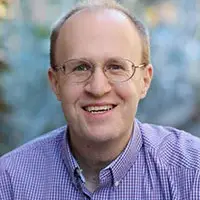
Craig A. Erickson
Craig A. Erickson, MD, is a professor of Psychiatry at Cincinnati Children’s Hospital Medical Center and the University of Cincinnati College of Medicine-Affiliated. Dr. Erickson leads a neurodevelopmental clinical and research group focused on improving clinical care through research discovery. He is the director of the Cincinnati Fragile X Research and Treatment Center, one of the largest such programs in the world. He serves as the chair of the Clinical Trials Committee organized by the National Fragile X Foundation and is a leader in translational medicine efforts in Fragile X syndrome, autism, and related disorders. Additionally, he is the director of research in the Division of Psychiatry at Cincinnati Children’s Hospital.
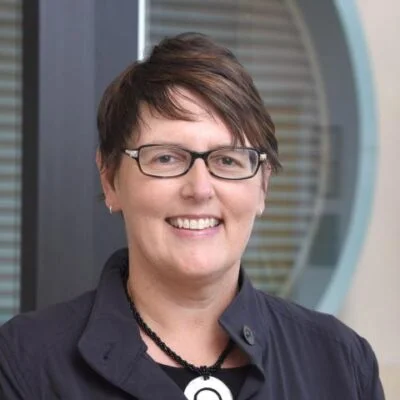
Kimberly Huber
Kimberly Huber, PhD, is a professor of neuroscience and a Southwestern Medical Foundation Endowed Scholar in biomedical research at UT Southwestern Medical Center in Dallas. Dr. Huber also codirects an NIH Collaborative Centers for Fragile X Syndrome Research with Dr. Craig Erickson.
Dr. Huber’s research focuses on the cellular and molecular mechanisms of synapse development and plasticity in the mammalian brain and the role of genes linked to human intellectual disability and autism. Dr. Huber has revealed roles for Fragile X ribonucleoprotein (FMRP), an RNA binding protein that is mutated in Fragile X syndrome, in multiple aspects of synapse and circuit function in the mouse. The Center for Fragile X Syndrome that she codirects is focused on understanding and correcting sensory cortical circuit dysfunction and associated sensory hypersensitivity. Using neurophysiological methods, her work is also engaged in the identification and testing of common neurophysiological biomarkers that translate between mouse models and humans with Fragile X syndrome.
Also see the Fragile X Syndrome Research Center.
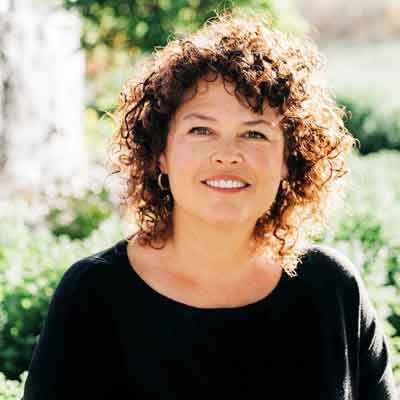
Jane Roberts
Dr. Jane Roberts received her PhD from the University of North Carolina at Chapel Hill then spent 10 years at UNC as a research investigator and scientist at the FPG Child Development Institute. Her work focuses on understanding the biological mechanisms that underlie cognitive and behavioral functioning in children and adults with neurodevelopmental disorders such as autism, Fragile X syndrome, and AD/HD.
Jessica Klusek
Jessica Klusek, PhD, CCC-SLP, is an associate professor at the University of South Carolina. Dr. Klusek received her doctorate in speech and hearing sciences from the University of North Carolina at Chapel Hill. She followed her doctoral training with an NIH-funded postdoctoral fellowship in psychology at the University of South Carolina, where she completed interdisciplinary training in physiology, psychology, and genetics. Dr. Klusek is also a certified speech-language pathologist. Dr. Klusek is also an advisor in the NFXF’s Research Readiness Program.
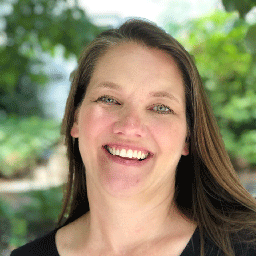
Emily Allen
Emily Allen, PhD, graduated from the University of Georgia with a bachelor’s degree in biology and Emory University with a PhD in genetics. She has worked on studies of Fragile X-associated disorders at Emory University with Dr. Stephanie Sherman since the early 2000s. Her primary research focus has been on disorders and characteristics associated with the Fragile X premutation, such as Fragile X-associated primary ovarian insufficiency (FXPOI) and Fragile X-associated tremor/ataxia syndrome (FXTAS).
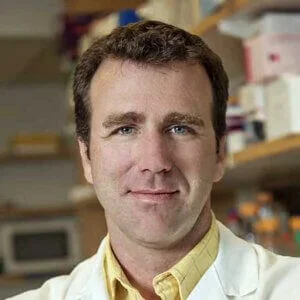
Peter K. Todd
Peter K. Todd, MD, PhD, is the Bucky and Patti Harris Professor in the Department of Neurology at the University of Michigan Medical School. As a clinician, Dr. Todd co-directs Michigan University’s Multidisciplinary Ataxia Clinic, where he sees patients with FXTAS (Fragile X-associated tremor/ataxia syndrome), and the Fragile X Syndrome Clinic, where he sees adult patients with Fragile X syndrome. He also serves as director of the Clinical Neurogenetics Research Program, which aims to improve research and care for patients with inherited neurological disorders.
As a physician-scientist, the Peter Todd Lab studies the mechanisms by which nucleotide repeat expansions cause neurodevelopmental and neurodegenerative disorders with a long-term goal of developing novel therapeutics for currently untreatable conditions. His lab has published extensively on Fragile X-associated disorders, such as Fragile X syndrome and FXTAS, as well as C9orf72 repeat expansions that cause ALS (amyotrophic lateral sclerosis, or Lou Gehrig’s disease) and frontotemporal dementia.
In the past decade, Dr. Todd has given over 80 invited presentations across the world and published over 50 papers on his research.