


NFXF Blog
Featured
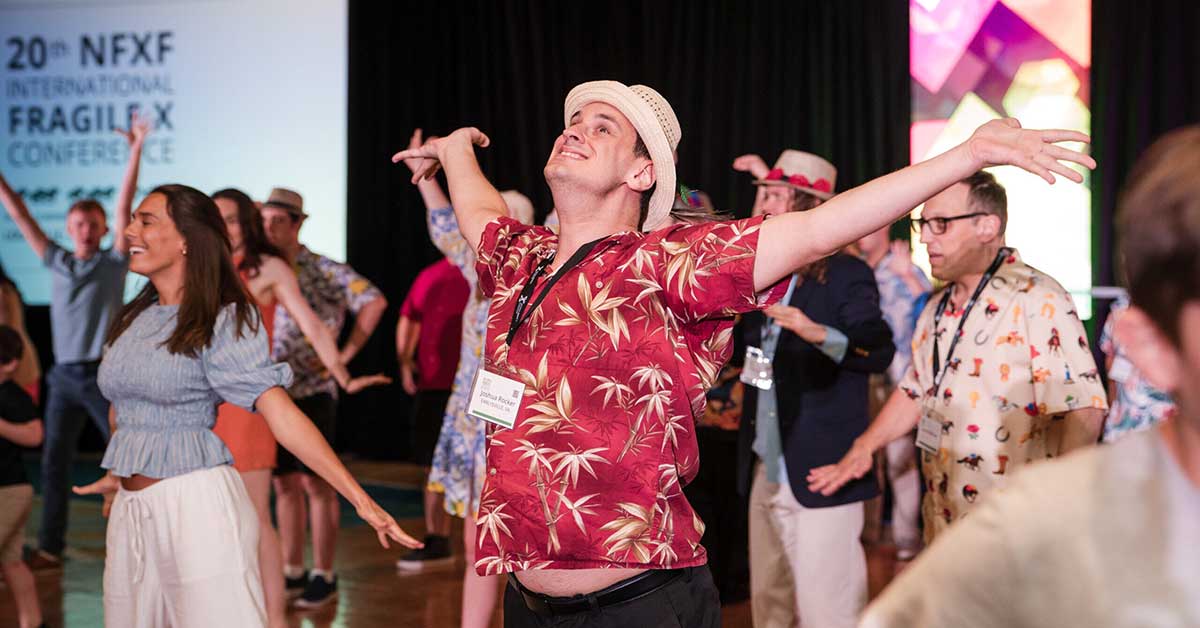
The initiative will build on our 40 years of work, promoting broader use of evidence-based information among individuals with FXS, caregivers, family members, community partners, and healthcare providers nationwide.
Why Fragile X Syndrome Treatment Information Feels So Confusing
08 mins read
FXS Tips & Support for Traveling + Free Downloads
06 mins read
Advocacy is Year-Round: What That Looks Like
05 mins read
Understanding What the Texas v. Kennedy Ruling Means for Community Living
03 mins read
All Articles

We ask the Fragile X community to share any specialists who have helped them with FXPOI and who might be interested in learning more about the consortium.

A new study from the CDC and NFXF examines geographic access to Fragile X specialty care and identifies gaps in access to FXCRC clinics across the U.S.

The clinic at the Masonic Institute for the Developing Brain offers personalized evaluation, consultation, treatment, and support for children and adults with Fragile X syndrome and related conditions.

Learn how we are expanding our network of Fragile X clinics to better support individuals living with the Fragile X premutation.

Highlighting the Fragile X Syndrome Multi-Disciplinary Clinic at the University of Michigan Health, a member of the National Fragile X Foundation’s Fragile X Clinical & Research Consortium (FXCRC).
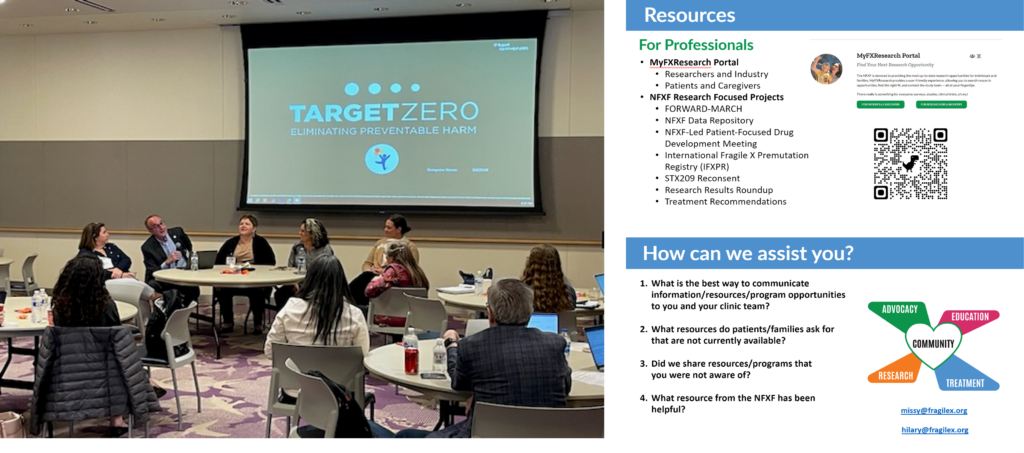
In 2006, there were 11 medical institutions in the country with doctors and other specialists focusing on Fragile X syndrome. Today, there are more than 30 Fragile X clinics.

The Cincinnati Fragile X Research and Treatment Center provides clinical care for individuals with Fragile X syndrome and related conditions and disorders.
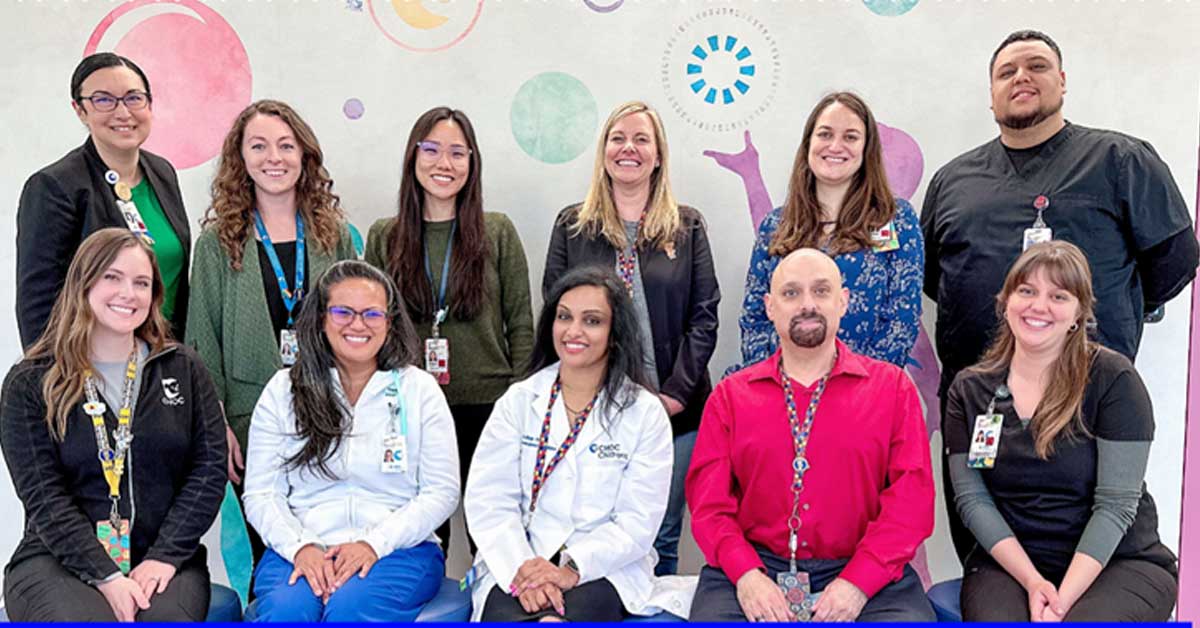
The Fragile X Program provides services and referrals for children and young adults with FXS and FXD, including FXTAS and FXPOI.
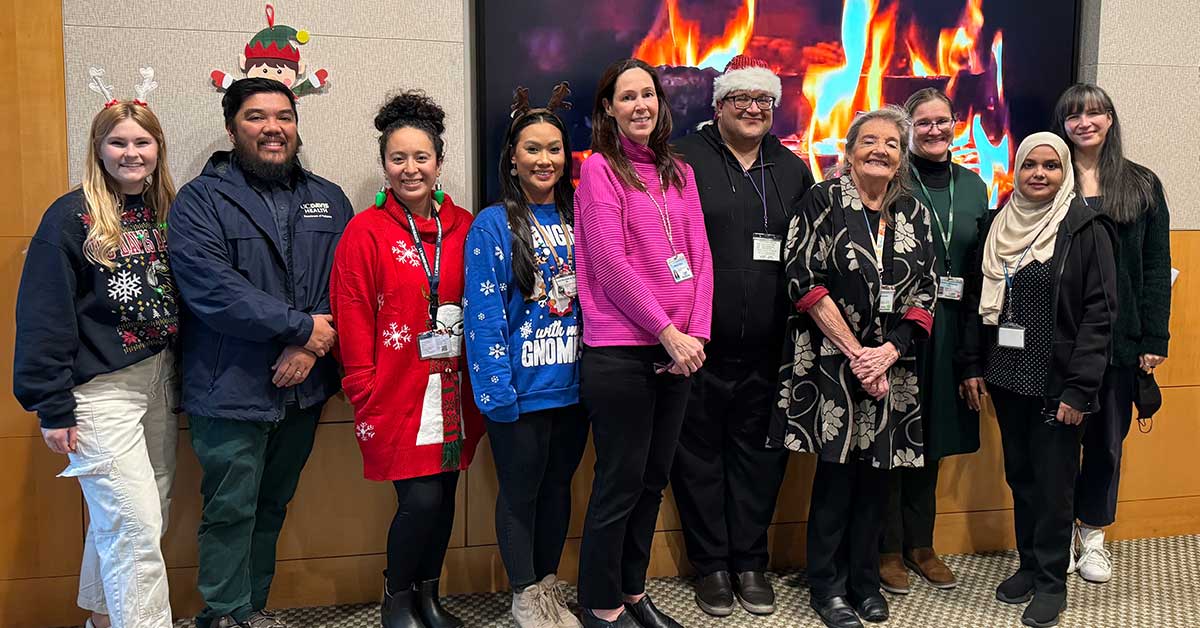
An interdisciplinary staff and faculty includes specialists in pediatrics, molecular genetics, psychiatry, psychology, neurology, neurobiology, pathology, and social work.